25/11/2026
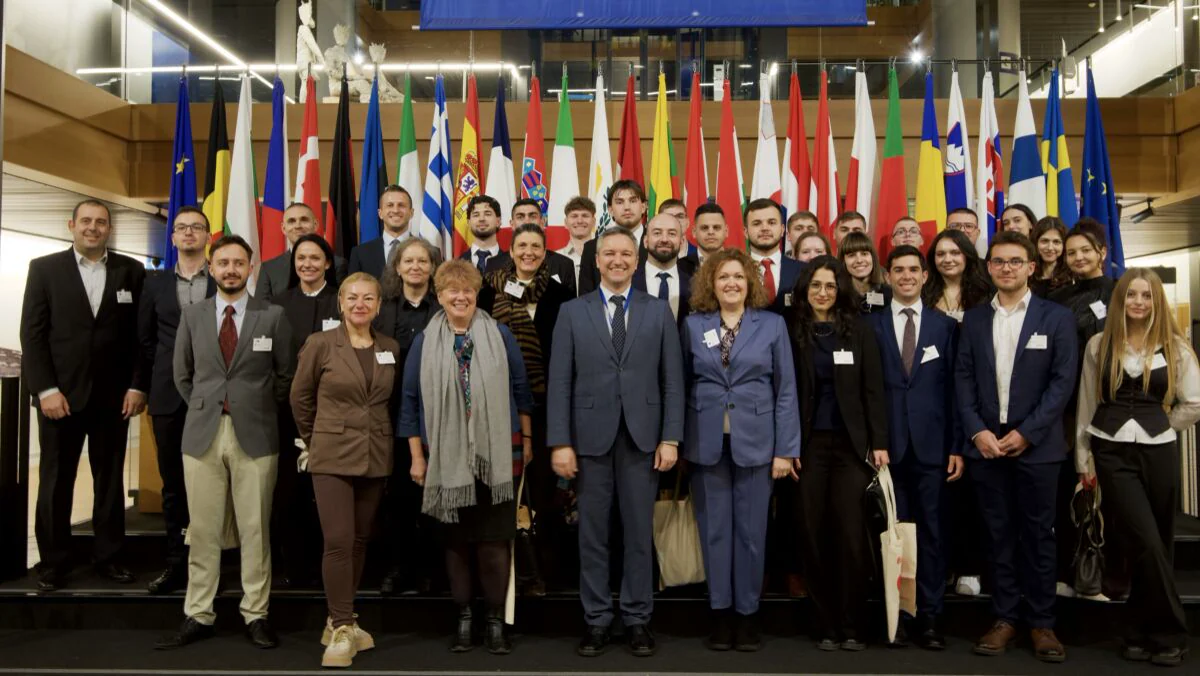
Vigenin in Gotse Delchev: BSP should stand by its ideas in government and place its people locally
31/10/2025
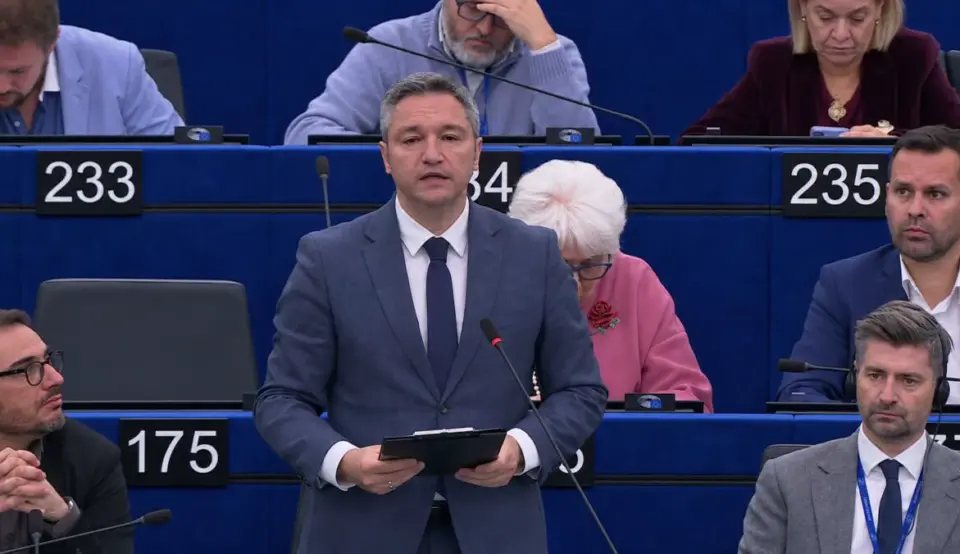
Vigenin: Let’s act for fair, sustainable and innovative cancer treatment
04/11/2025Vigenin in Gotse Delchev: BSP should stand by its ideas in government and place its people locally
31/10/2025Vigenin: Let’s act for fair, sustainable and innovative cancer treatment
04/11/2025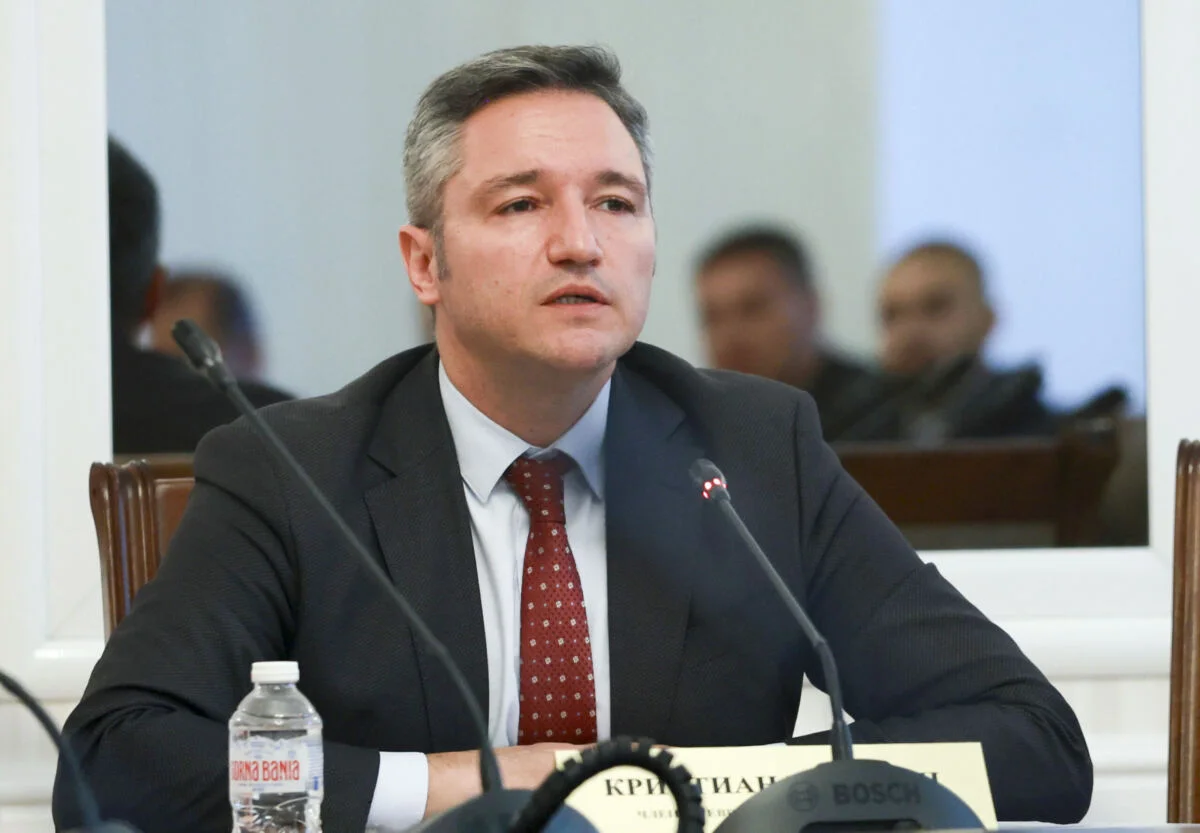
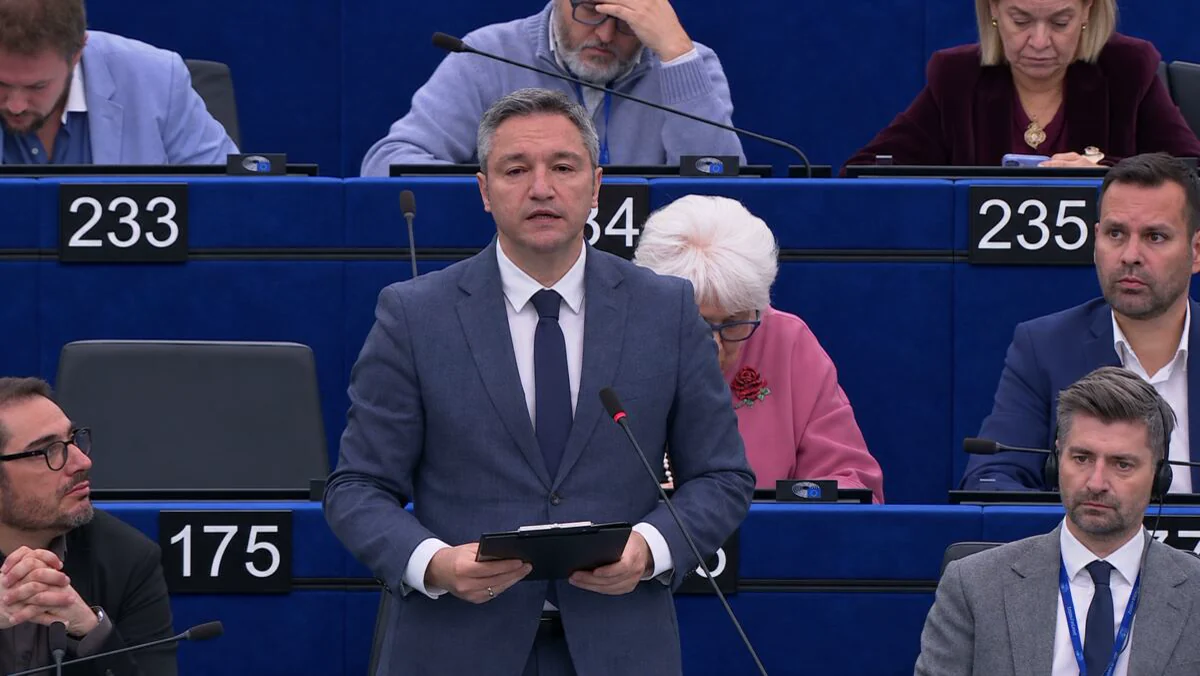
Kristian Vigenin: Removing the right of veto on important matters will deepen the divisions in the European Union
Cooperation between the National Assembly and the European Parliament is a prerequisite for successful defence of Bulgarian interests
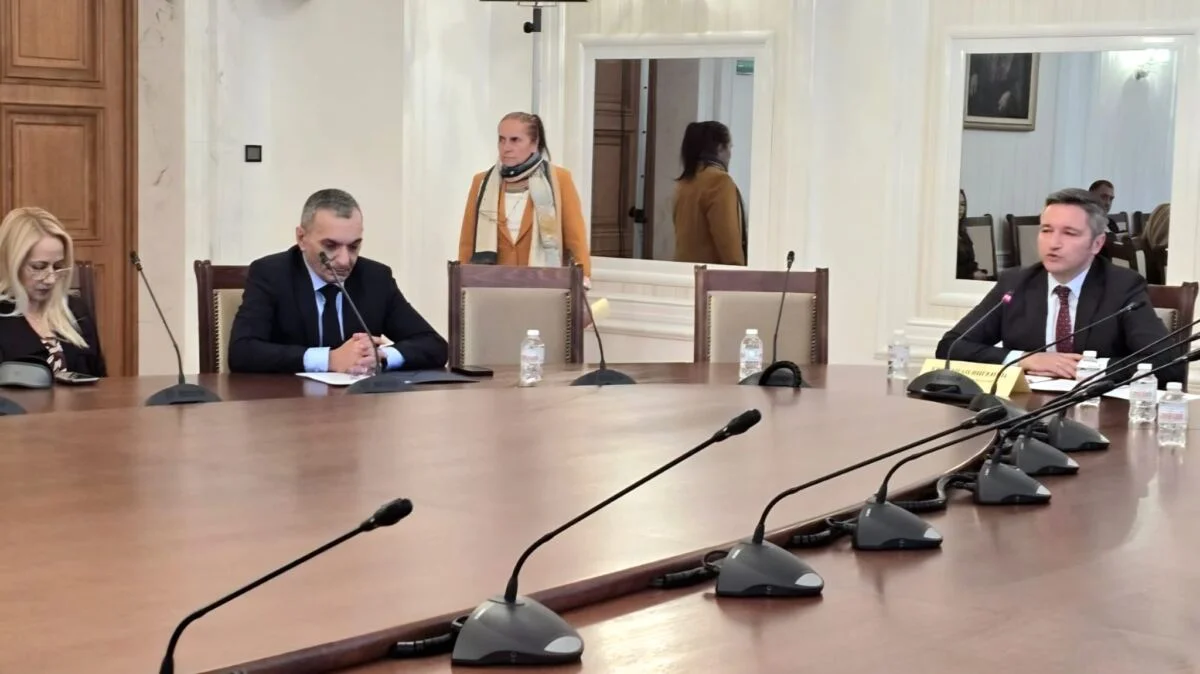
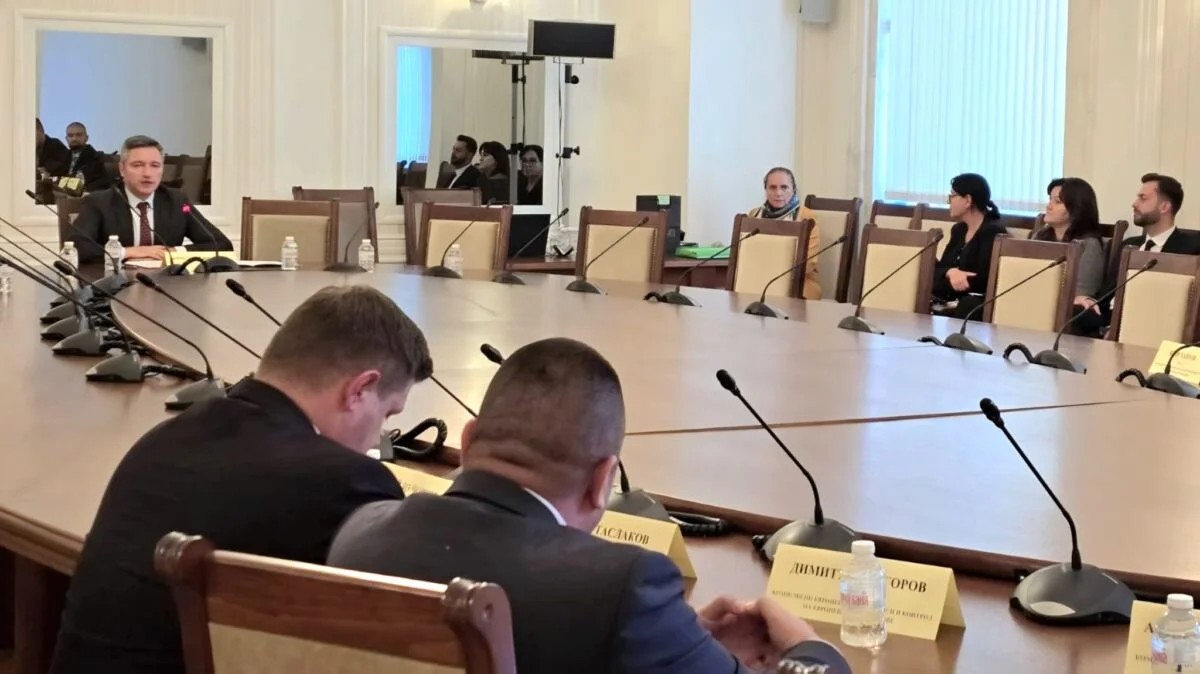
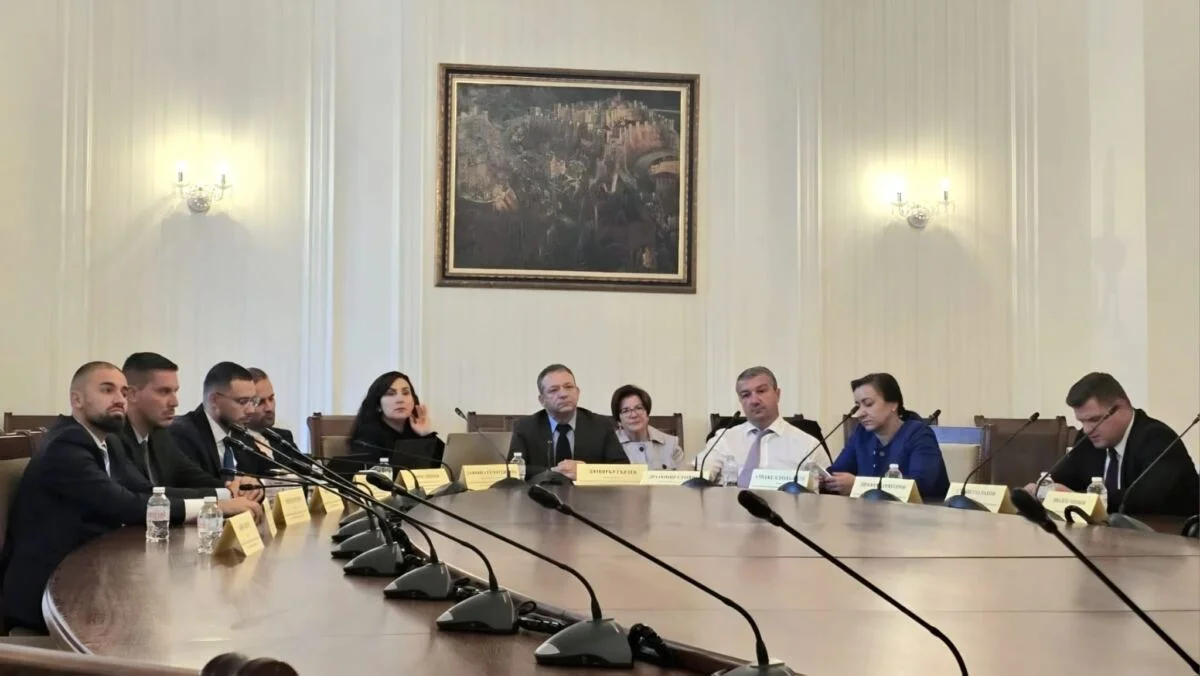
“Only through good coordination between the European Parliament and the national parliaments can we effectively achieve the goals that Bulgaria sets itself.” With these words Bulgarian MEP Kristian Vigenin from the Group of Socialists and Democrats in the EP addressed the members of the parliamentary Committee on European Affairs and Oversight of the European Funds on the occasion of the European Commission Annual Report on the application of the principles of subsidiarity and proportionality and relations with national parliaments. He presented to them the draft European Parliament Report on the role of national parliaments, for which he is the socialists rapporteur in the EP Committee on Constitutional Affairs.
“The European and the national parliaments are not rivals. They represent the same European citizens at different levels. The better we coordinate our positions, the more workable the decisions in the EU will be,” Vigenin stressed. He pointed out that in the European Parliament there is a readiness to give national parliaments additional powers in relation to European legislation. “At the moment national parliaments have the so-called yellow card and orange card, which allow them, with a certain majority, to ask the European Commission to change or withdraw a specific legislative proposal. A green card and a red card should be added. The green card would give national parliaments the possibility to ask the European Commission to propose legislation, and with the red card they could directly block a given bill. These are good proposals that should be written into the next change of the treaties,” Vigenin added. He also noted that MEPs insist the European Commission formulate the legal basis of proposed legislative initiatives better and involve national parliaments to a greater extent already during the period of preliminary consultations.
Bulgaria’s role and the right of veto
Vigenin underlined the progress Bulgaria has made in effectively formulating and defending national positions in the European institutions, but expressed hope for an even more active dialogue between the members of the national parliament, the ministers and the Bulgarian representatives in the European Parliament. “The political instability in Bulgaria in recent years put the National Assembly in a difficult position. Now, with relative stabilisation achieved, we have a good opportunity to restore inter-institutional cooperation,” he emphasised, expressing hope that his initiative for discussing EP reports in the National Assembly even before they are adopted, supported by the chair of the Committee Dimitar Gardev, will turn from a precedent into a practice from now on.
In the discussion that followed, Vigenin stressed that Bulgarian MEPs are against introducing and extending the application of qualified majority voting in the European Parliament for decisions on foreign policy, defence, EU enlargement and other substantial matters. He explained to the members of the committee that leading member states believe the Union has reached the limit of its ability to function effectively with its current institutional system. In the EP the prevailing view is that when the number of member states increases, it will become even harder to reach unanimity on the important matters, and this could be solved by moving to qualified majority voting. Vigenin said, however, that he does not share this view. “Such decisions would lead to a deepening of the divisions inside the EU. The matters mentioned substantially affect the sovereignty of states and cannot be imposed against their will,” the MEP commented.
Kristian Vigenin, who is also a former chair of the Committee on European Affairs and Oversight of the European Funds at the time of the first Bulgarian Presidency of the Council of the EU, recalled the provisions of the Rules of Organisation and Procedure of the National Assembly regarding the role of members of parliament to be informed about and to scrutinise the participation of ministers in the meetings of the Council of the European Union. He proposed that Bulgarian MEPs be involved in these discussions in the plenary hall, as the Rules provide.
More
News
24/11/2026