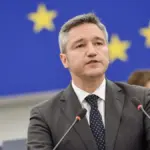
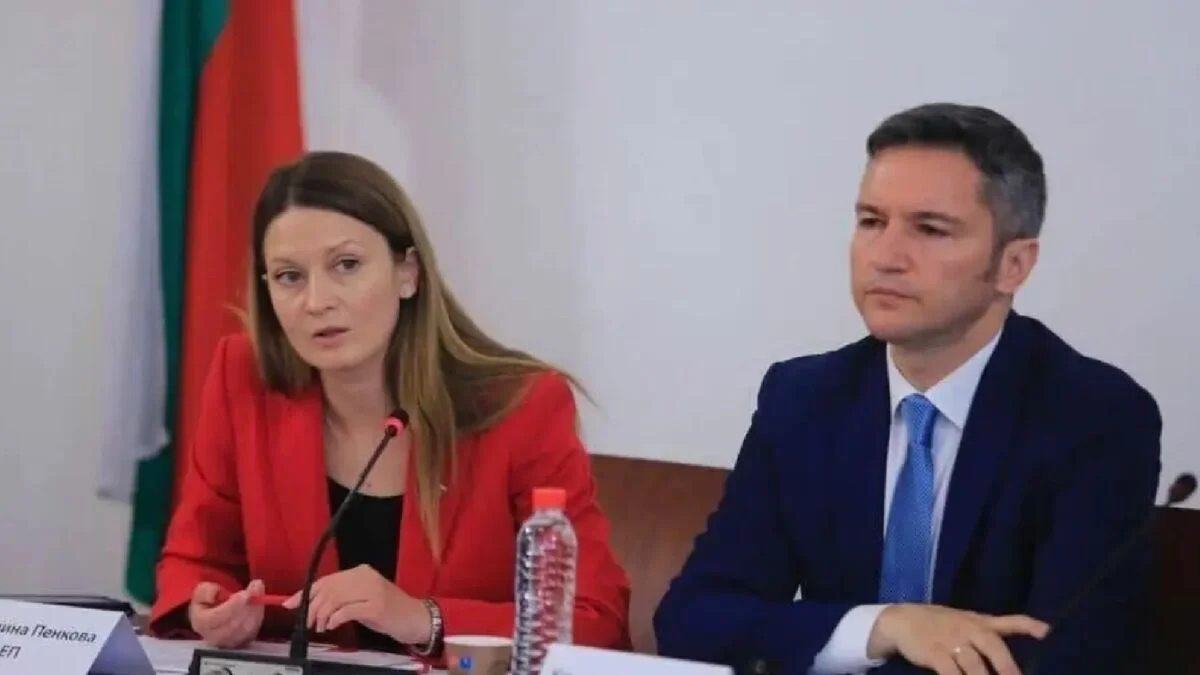
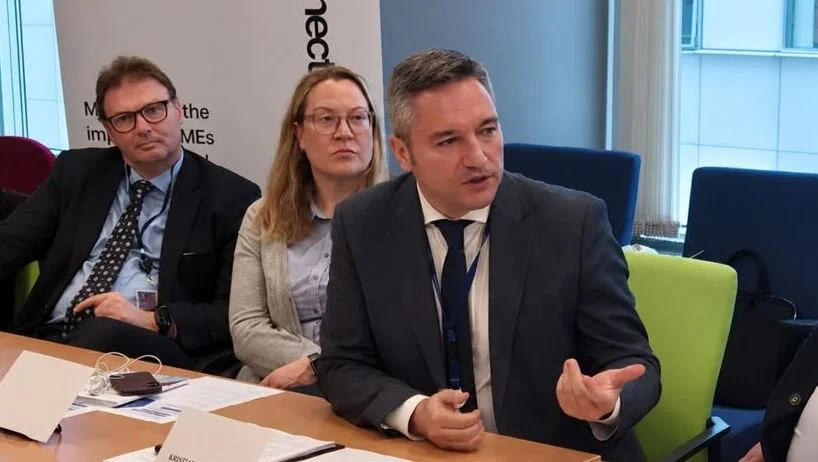
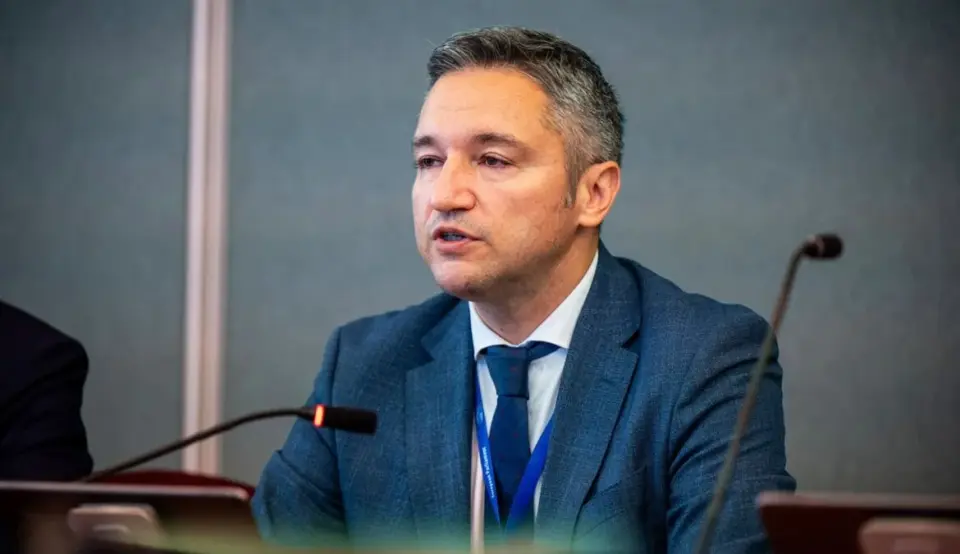
In response to the deepening water crisis in a number of European Union member states, the Bulgarian representatives in the European Parliament from the Group of Socialists and Democrats, Tsvetelina Penkova and Kristian Vigenin, raised the subject sharply, along with the need for a common European policy for the sustainable management of water resources. The two MEPs tabled a joint parliamentary question to the Commissioner for the Environment Jessika Roswall, insisting on urgent and long-term action.
In the spring and summer of 2025 more than 150,000 people in Bulgaria were affected by water rationing, and the situation is getting worse with every month that passes. The southern regions of the country report completely dried-up water sources, and more than 60% of the water is lost because of the ageing water supply network. This is also the highest share in the EU. The problem is not only national, however. Germany, Spain, France and Italy also suffer from extremely high temperatures, drought, falling river levels and serious difficulties for industry, agriculture and household water supply.
“The situation is not isolated. Europe is in a real water crisis, and the responses so far have been fragmented and uneven,” Tsvetelina Penkova said. In her words, countries such as Spain and Germany are already investing in modern solutions, from wastewater treatment to digital management of resources. What is missing, however, is coordination at EU level. Water security has to become a strategic priority within the new Multiannual Financial Framework. “We propose the creation of a pan-European standard for minimum water reserves, solidarity mechanisms between countries and targeted funding for the rehabilitation of water supply infrastructure,” Penkova said. In her view, the crises of recent years, energy, climate and water, call for new, integrated approaches and real European responsibility.
The Water Resilience Strategy and the question to the Commission
“We welcome the Water Resilience Strategy adopted by the European Commission in June. It recognises many of the problems, but the situation calls for faster work and concrete action in line with the priorities of each member state,” Vigenin stressed, adding that he hopes water management in all its aspects will be set out more clearly as a priority in the future long-term European budget. “At the same time I expect the Bulgarian government to put at the forefront the provision of resources, national and European, for faster replacement of the water supply network and the construction of new sources of drinking water. A comprehensive programme in this sector, supported by the EU, has to guarantee that within five years there will not be a single settlement in Bulgaria without year-round access to drinking water,” the Bulgarian MEP concluded.
The question has already been submitted to the European Commission and insists on clear commitments in four key areas: support for building and rehabilitating sustainable water supply infrastructure; reducing losses of drinking water through modernisation and digitalisation; introducing common standards for minimum water reserves and strategic planning; and creating a crisis response mechanism for dry periods across the EU.