03/10/2026
Kristian Vigenin visited the St Ivan Rilski State Psychiatric Hospital
11/04/2025
Kristian Vigenin on an official visit to Uzbekistan with a European Parliament delegation
14/04/2025Kristian Vigenin visited the St Ivan Rilski State Psychiatric Hospital
11/04/2025Kristian Vigenin on an official visit to Uzbekistan with a European Parliament delegation
14/04/2025
Kristian Vigenin visited the St Ivan Rilski State Psychiatric Hospital
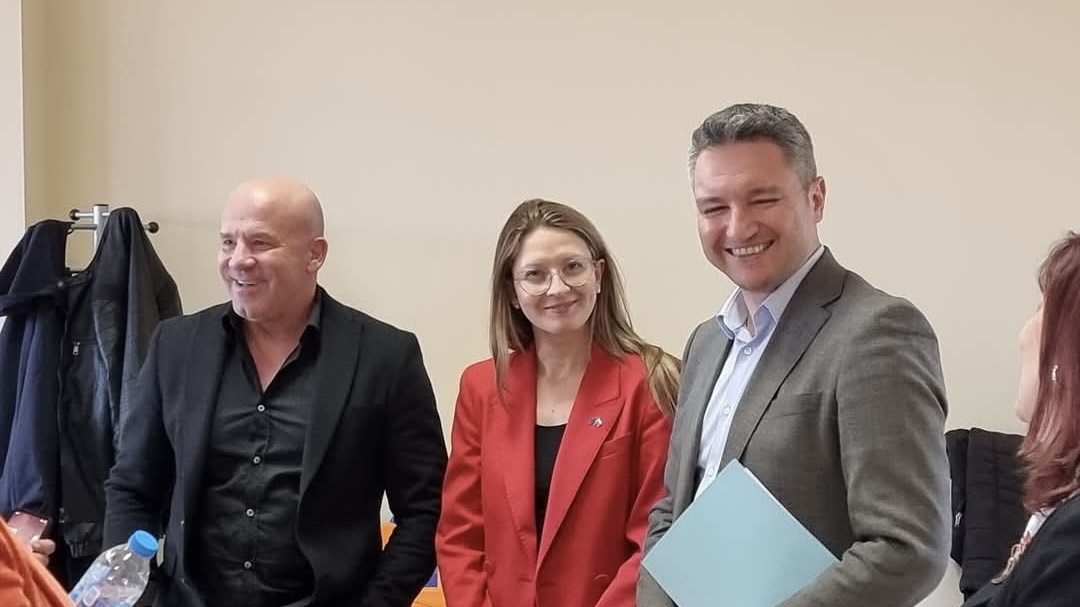
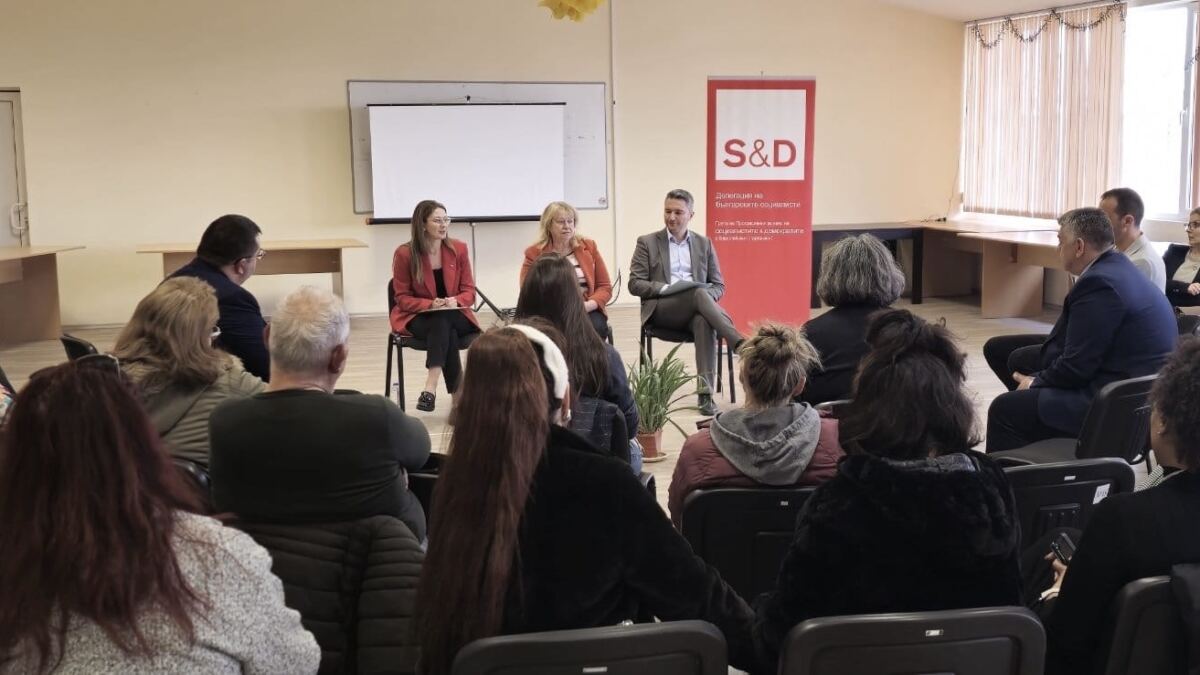
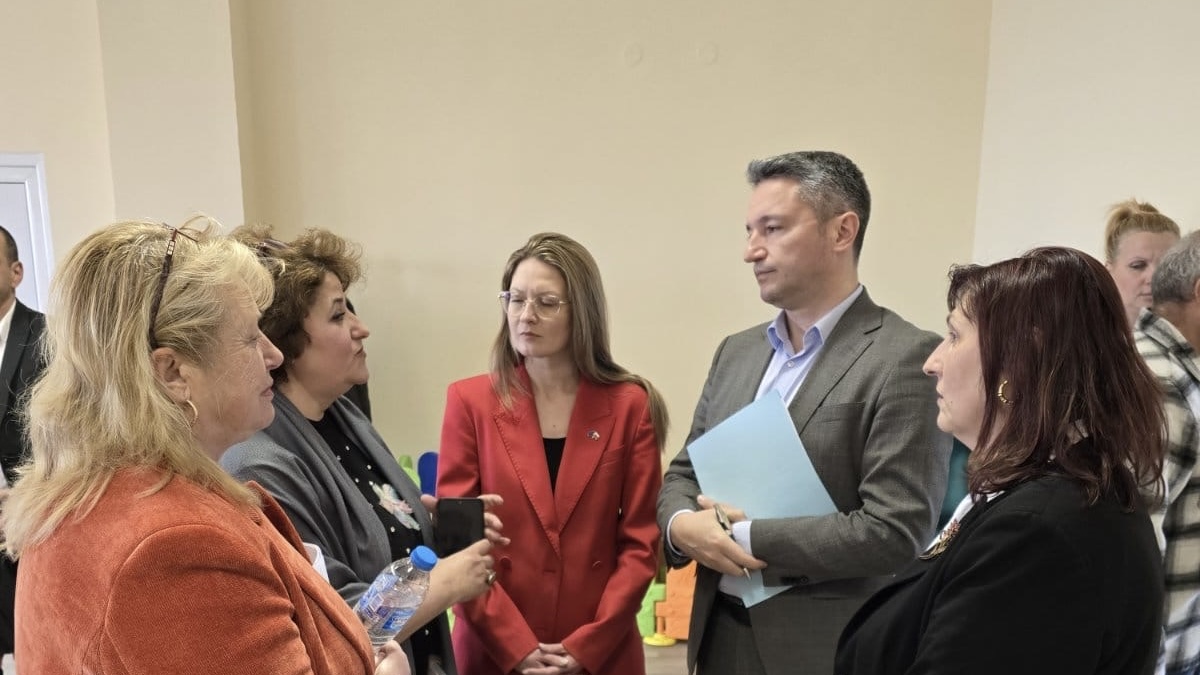
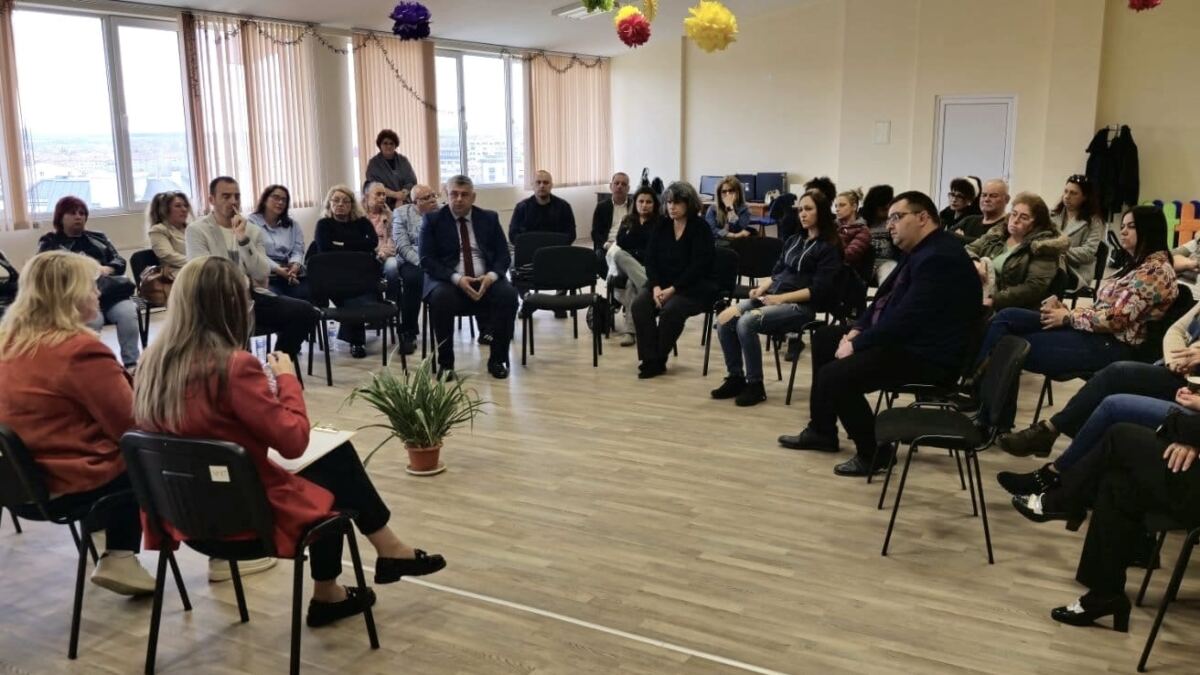
The event was held in the town of Yambol, hosted by the local information office of the Delegation of the Bulgarian Socialists and the Complex for the Provision of Social Services for Adults and Children, under the heading “Rare shades in the palette of life”.
In his capacity as a member of the EP Public Health Committee and head of the Delegation of the Bulgarian Socialists, Kristian Vigenin stressed that the point of this meeting is to direct public attention in a way that will not play down the problems and will not leave those suffering from rare diseases unnoticed. „We must live in a society of solidarity, in which the weaker receive the support and care they need,“ Vigenin noted. He said that this initiative is not a one-off but the latest organised by the Delegation of the Bulgarian Socialists and devoted to specific problems in the field of public health and prevention. He recalled the charity event last December devoted to children with hearing problems and announced that at the end of April an initiative devoted to children and young people on the autism spectrum is planned in Sofia.
Vigenin noted that one of the pressing problems in Bulgaria, as a smaller European country, is unfortunately the limited access to life-sustaining medicines and therapy. While the development of new health technologies for early diagnosis and new therapies at European level is an undoubted success, access to them at national level remains problematic and requires serious funding, Vigenin stressed.
„We are talking about almost 8,000 rare diseases in the EU, a number that also requires better coordination and a joining of efforts by the member states towards providing adequate healthcare.“ In this connection the Group of the Socialists and Democrats in the EP is preparing a series of initiatives concerning rare diseases in particular and placing them at the focus of pan-European efforts. One of the proposals provides for a significant increase in the European funds earmarked for scientific work, specific therapies, joint health projects and the exchange of good practices. Specifically, there is talk of an increase in the total funds for healthcare to 25 billion euro in the next seven-year EU budget, against the current mere 5 billion euro, Vigenin noted.
The introduction of additional rules for the application of artificial intelligence in scientific research is another main issue being discussed at European legislative level. Innovative health technologies will certainly guarantee the application of more effective diagnosis and supporting therapies and care, which is particularly important for rare diseases, he stressed.
For her part, Tsvetelina Penkova noted that the discussion is a clear sign of a long-term commitment that should lead to concrete solutions with measurable added value for children and young people with rare diseases and their families. She said that the statistics are scarce, but that according to the publicly available information almost 370,000 people in Bulgaria live with rare diseases.
„But this is not merely statistics. The diagnosis is a medical problem, but it is also a serious social and psychological challenge that affects thousands of families,“ Penkova said.
As regards the provision of specialised care, she stressed that 34 expert centres for rare diseases currently operate in Bulgaria, located in 13 university hospitals in the cities of Sofia, Plovdiv, Varna and Pleven. Only seven of these centres are full members of the European Reference Networks. Despite this, Bulgarian patients with rare diseases remain deprived of equal access to 19 of the 24 main areas of healthcare that the EU defines as priorities, she pointed out.
On the issue of the shortage of life-sustaining medicines, Penkova emphasised the need for targeted legislative and administrative measures to facilitate access to medicines from other countries. This is linked precisely to structuring deeper cooperation within the EU.
She pointed out that fair and equal opportunities for participation in society are also linked to undertaking those reforms in the education system that will encourage a truly inclusive environment and guarantee conditions for fuller employment. Penkova believes that overcoming the stigma and prejudice towards those who are different and vulnerable can be achieved precisely through public conversation with all stakeholders and responsible institutions at every level.
Taking part in the discussion were representatives of local government in the person of the Deputy Mayor of Yambol Municipality Encho Kiryazov, the Deputy Mayor of Tundzha Municipality Stoyan Petkov, the MP from the BSP, United Left Krasimir Yordanov, Dr Nedyalka Petkova-Vlahova, the head of the Emergency Department of the Yambol state hospital Dr Rayno Georgiev, teachers, psychologists, representatives of educational institutions and social organisations, children and parents.
More
News
02/10/2026