21/11/2026

Vigenin: The success of artificial intelligence in healthcare is measured by the benefit to patients
21/11/2026Vigenin: The success of artificial intelligence in healthcare is measured by the benefit to patients
21/11/2026

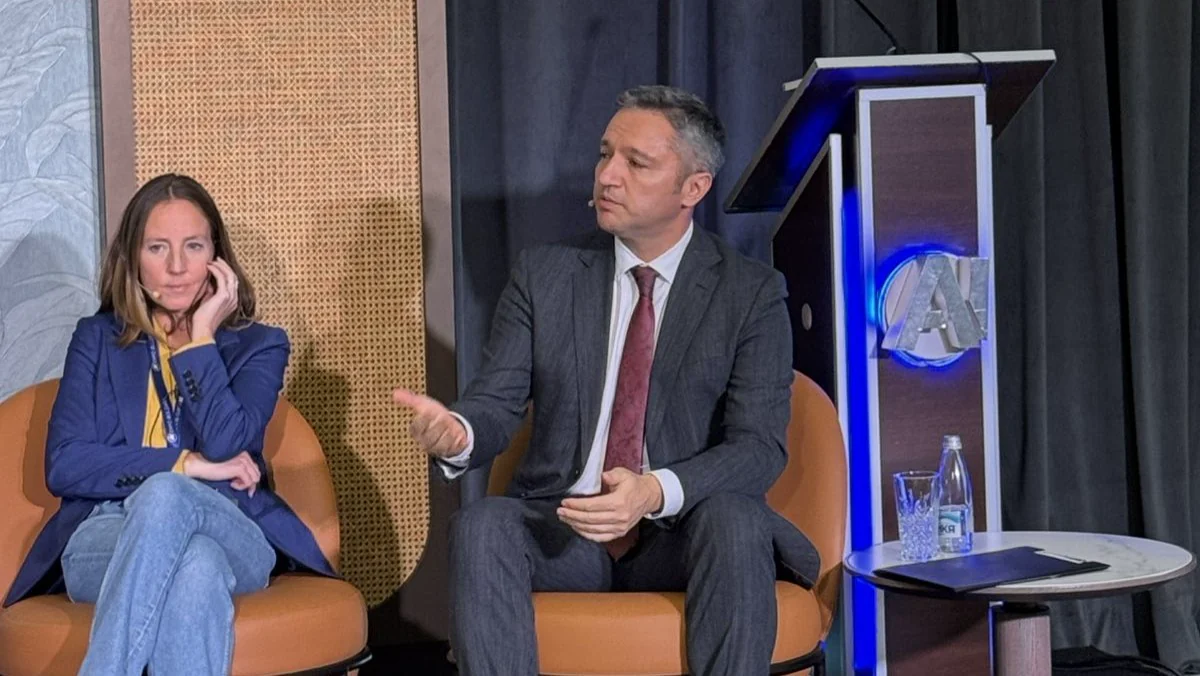
“How can we ensure that artificial intelligence helps with the early detection of diseases and the treatment of more patients, rather than remaining a privilege of a few large hospitals and the wealthiest health systems?” This question was posed by MEP Kristian Vigenin during the “AI EXPO Bulgaria 2026” forum. He participated as a speaker in the panel “Intelligent Healthcare: How Artificial Intelligence Turns Data into Real Value,” dedicated to the practical application of new technologies in medicine.
The forum was opened by President Iliana Yotova and brought together representatives of state institutions, business, the scientific community, and the technology sector. In her address, the head of state placed emphasis on the opportunities for Bulgaria to participate in the development of new technologies, rather than being solely their consumer.
During the discussion, Kristian Vigenin drew attention to the serious disparities in access to medical care within the country. He also recalled that, according to the latest health profile of Bulgaria prepared by the European Commission and the OECD, patients in our country pay the highest share of healthcare costs directly out of pocket, more than twice the EU average.
According to the MEP, artificial intelligence can help overcome some of these problems, especially in smaller settlements, where access to specialists is often limited. As an example, he pointed to the possibility of small municipal hospitals using medical image analysis systems that assist doctors and facilitate consultations with specialists from university hospitals. Such technologies could shorten the time to diagnosis and save patients unnecessary travel.
“We cannot speak seriously about modernising healthcare if it does not find a place in the national budget as well,” Vigenin stated. In his view, part of the annual increases in healthcare funding should be allocated to targeted investments in early diagnosis, prevention, and the introduction of new technologies in medical facilities, which in the long term will lead to lower costs and better health care. He noted that European funding can support this process but cannot replace the state’s responsibility.
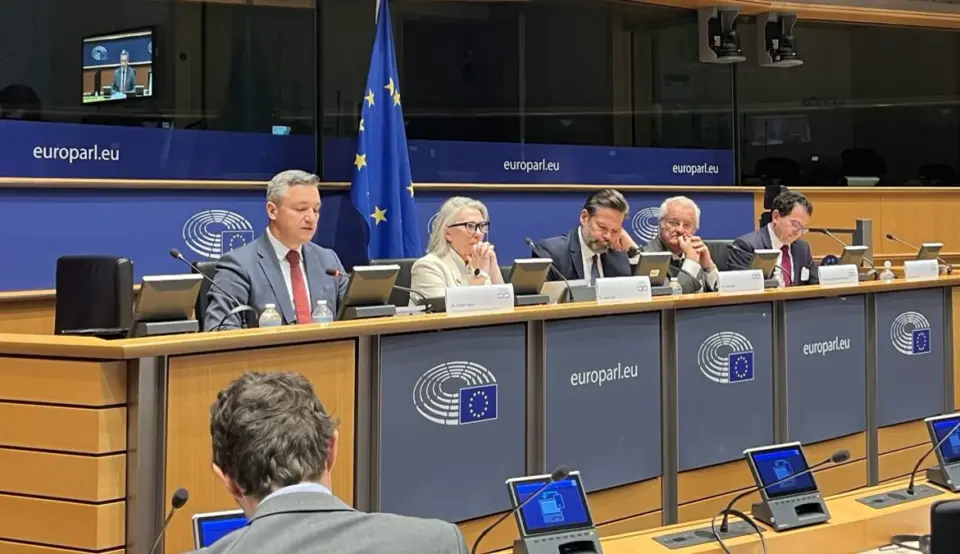
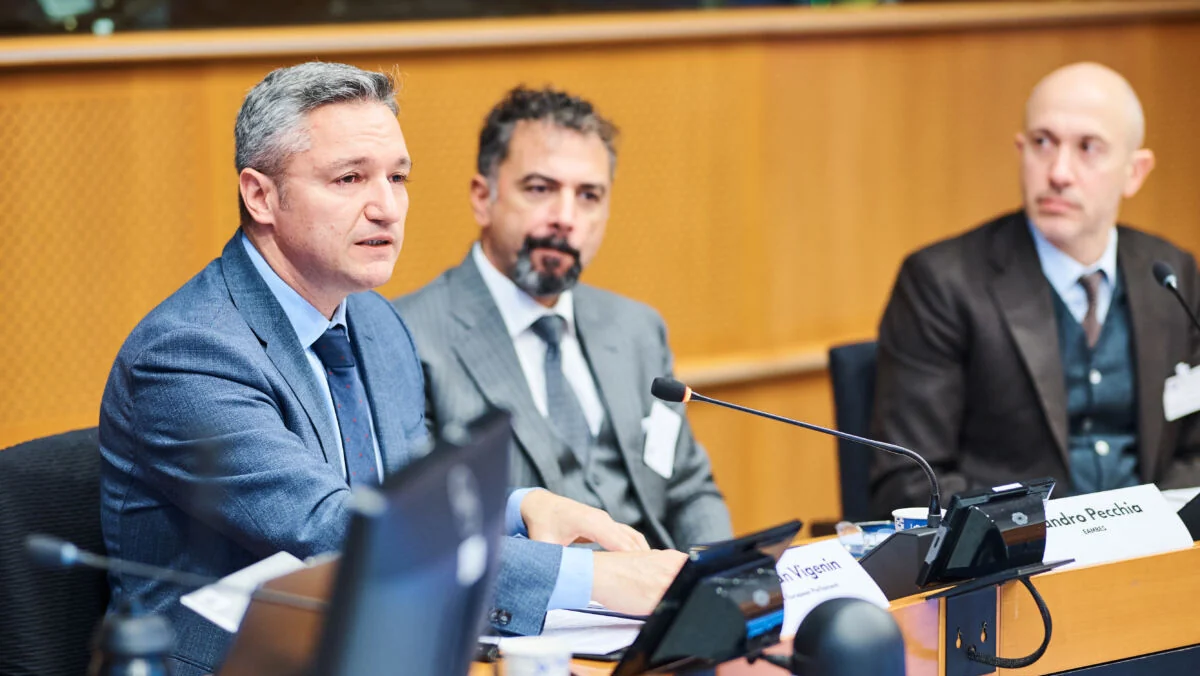
As a member of the Committee on Public Health in the European Parliament, the MEP also touched upon European rules for the use of artificial intelligence in medicine. He pointed out that the adoption of the European Health Data Space creates better conditions for scientific research and the development of new treatments, especially for oncological and rare diseases. The entire process is being delayed due to the need to establish common standards and criteria. However, the use of medical information must go hand in hand with clear guarantees for the protection of personal data.
“Artificial intelligence must assist the doctor, not replace their professional judgment and responsibility,” Vigenin stressed.
According to him, the most important measure of the real benefit of new technologies is whether patients receive a faster diagnosis, doctors work more efficiently, and people in smaller settlements have better access to treatment.