28/10/2026
Kristian Vigenin: Not sanctions, but a full ban on the production and import of luxury furs in the EU
28/10/2026Kristian Vigenin: Not sanctions, but a full ban on the production and import of luxury furs in the EU
28/10/2026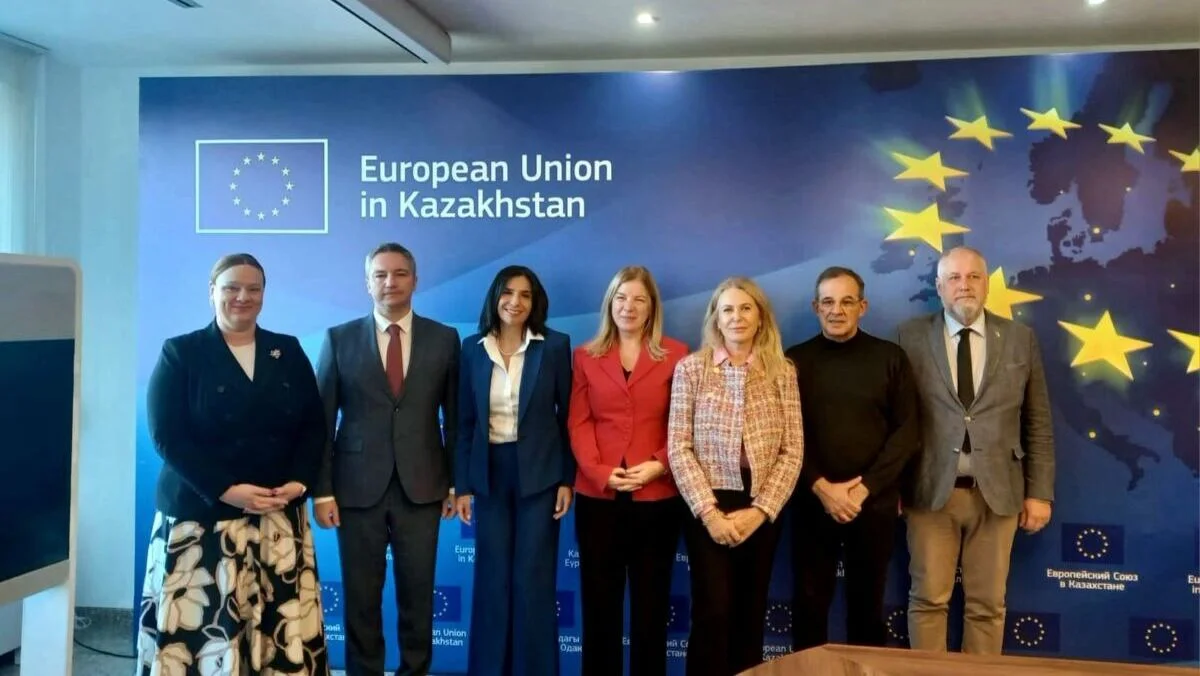
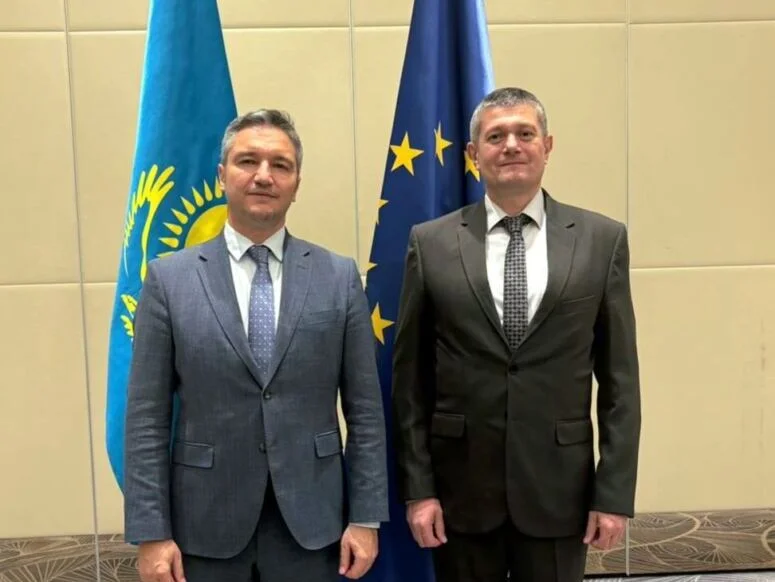
Kristian Vigenin in Astana: EU-Kazakhstan relations have enormous potential
The MEP highlighted the importance of the Middle Corridor, new technologies and closer economic cooperation
“The European Union and Kazakhstan have the potential to deepen their cooperation in protecting critical infrastructure, digital skills and the responsible use of these technologies,” said MEP Kristian Vigenin in Kazakhstan.
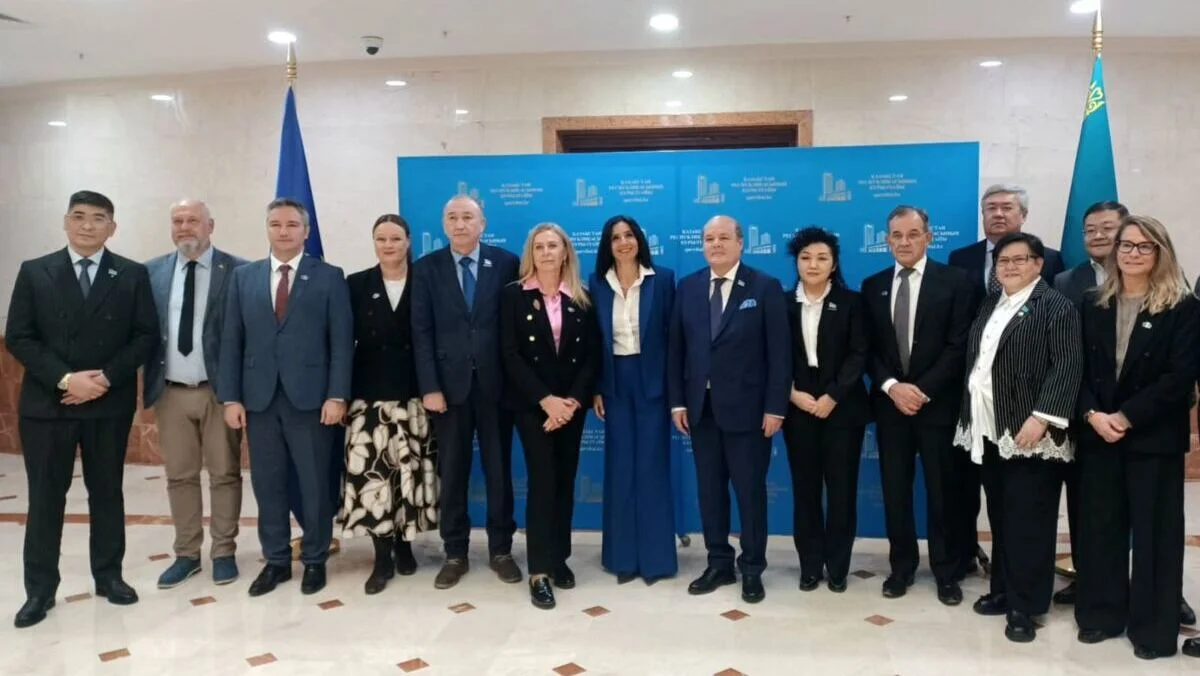
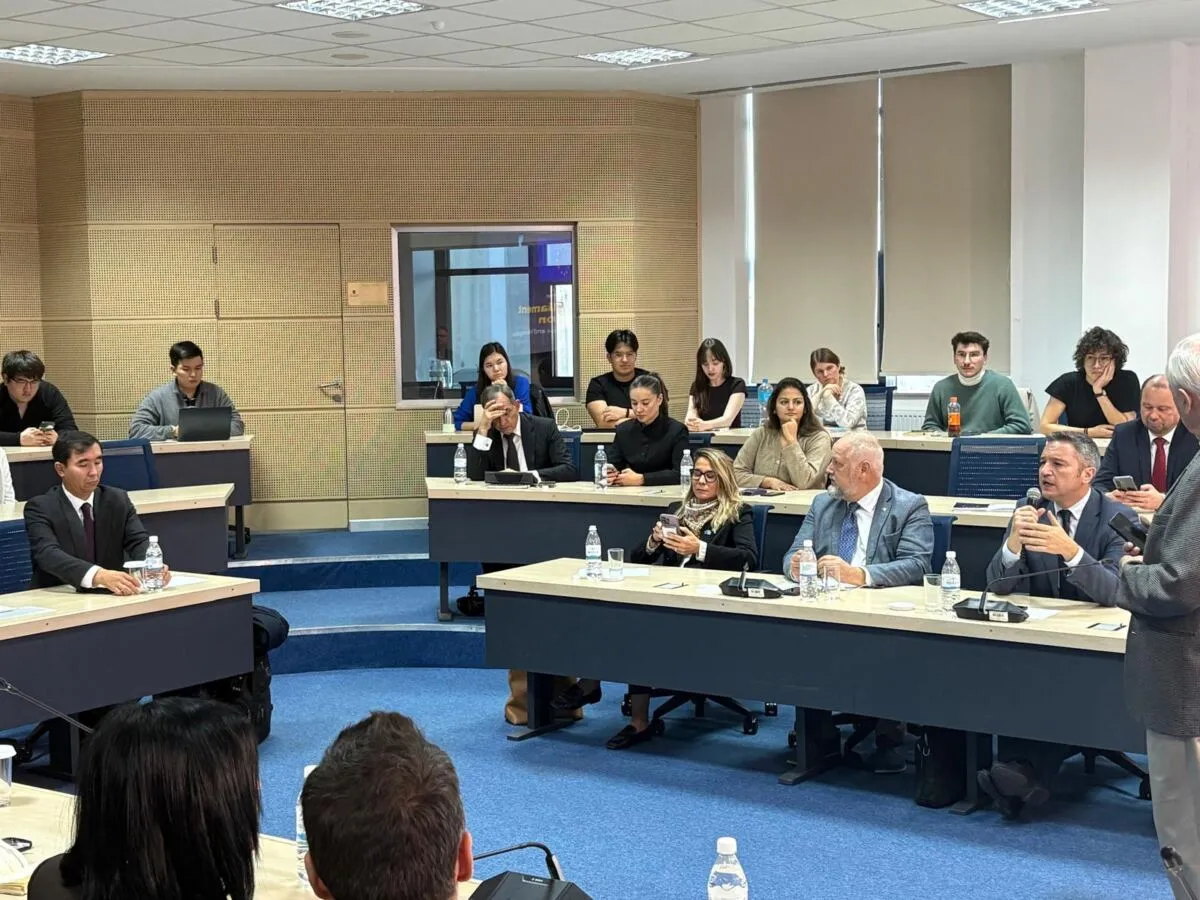
As a member of the Delegation for relations with the countries of Central Asia (DCAS), Vigenin took part in the 23rd meeting of the EU-Kazakhstan Parliamentary Cooperation Committee, dedicated to the development of bilateral relations and the opportunities for deepening the partnership.
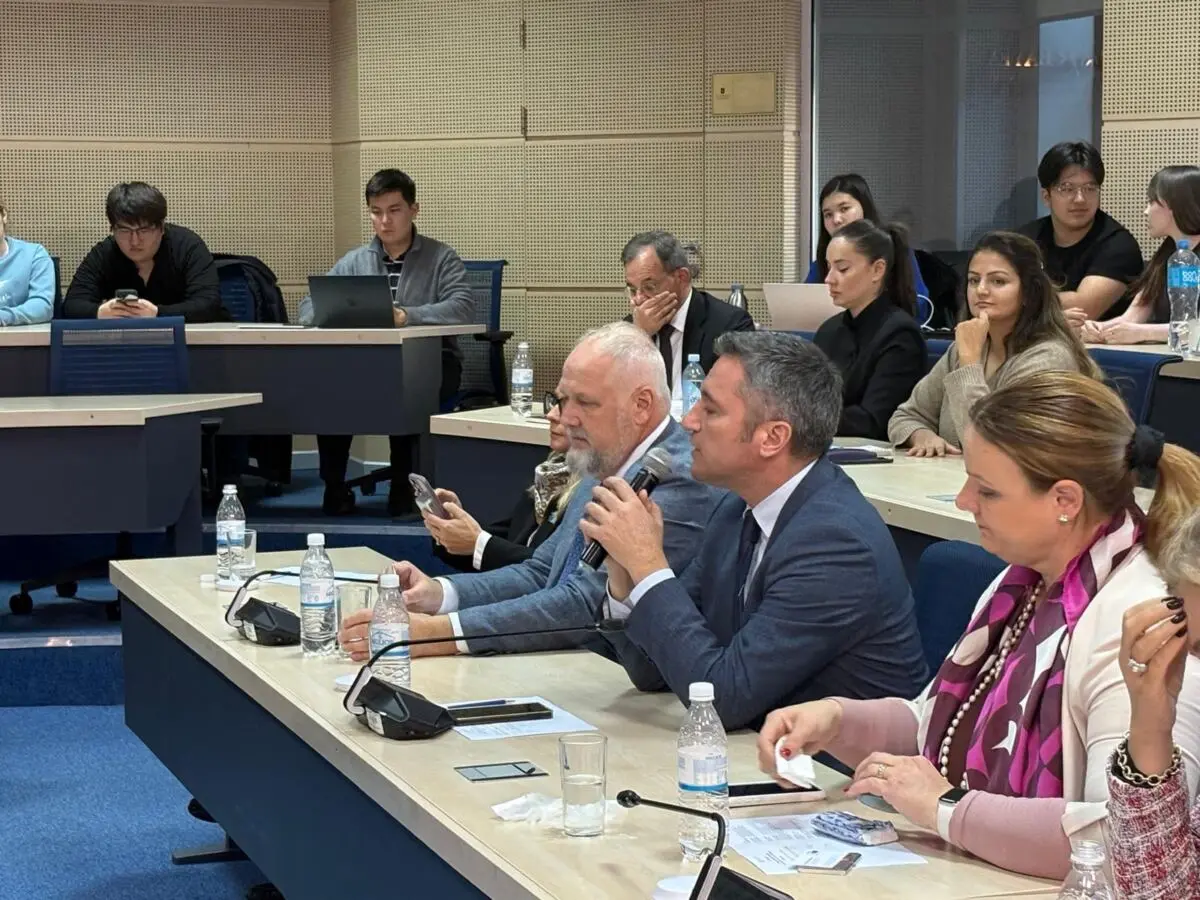
During the meeting in the Parliament of Kazakhstan, the participants also discussed issues related to the current international situation, trade and economic cooperation, critical raw materials, climate change, scientific research, education policy and artificial intelligence.
The European approach to artificial intelligence
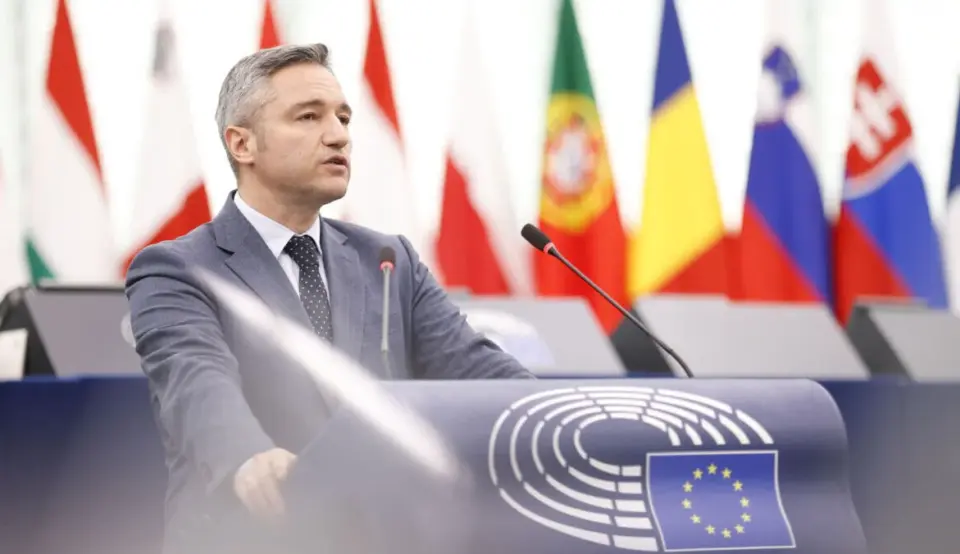
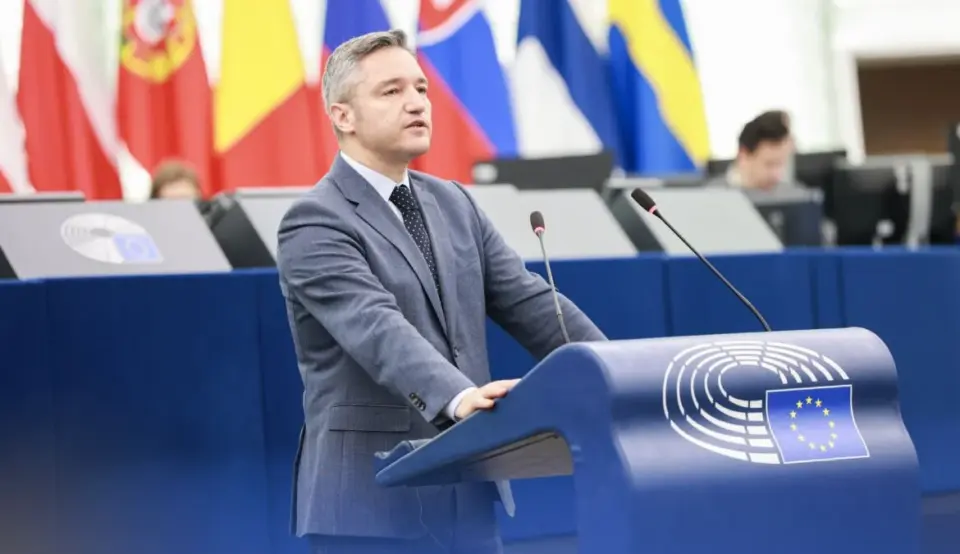
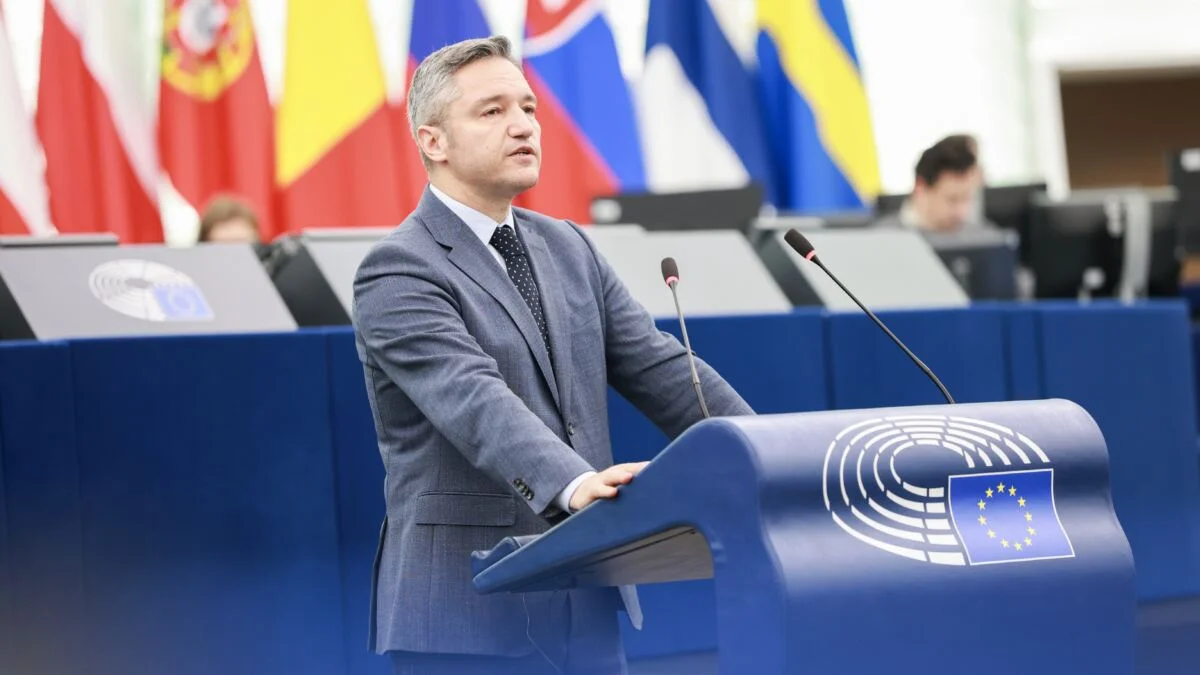
Vigenin, in his role as rapporteur for the Socialists and Democrats on the “Artificial Intelligence Omnibus”, stressed that new technologies bring not only opportunities but also responsibilities for their regulation. The MEP presented the European approach to the development of artificial intelligence, which aims to encourage innovation while guaranteeing the protection of citizens’ fundamental rights.
Climate change and the green transition
The delegation also focused on cooperation in the fight against climate change and progress on the green transition. Climate change is putting increasing pressure on water resources in Kazakhstan and Central Asia, with consequences for agriculture and energy.
“The green transition and decarbonisation must go hand in hand with economic competitiveness, the modernisation of industry and the creation of job opportunities in the regions affected by this transformation,” the MEP said. In his view, long-term investment and the exchange of expertise are needed to ensure more sustainable water management.
Transport connectivity and the Middle Corridor
A central topic of the meeting was also transport connectivity between the Union and Kazakhstan and the so-called Middle Corridor. Strengthening this corridor will create opportunities for better diversification of transport routes and more resilient supply chains between the EU and the countries of the region.
“I believe there are significant opportunities for further partnership based on open political dialogue, mutual trust and concrete results that contribute to bringing Europe and Kazakhstan closer together,” Vigenin stressed.
Education, science and university partnerships
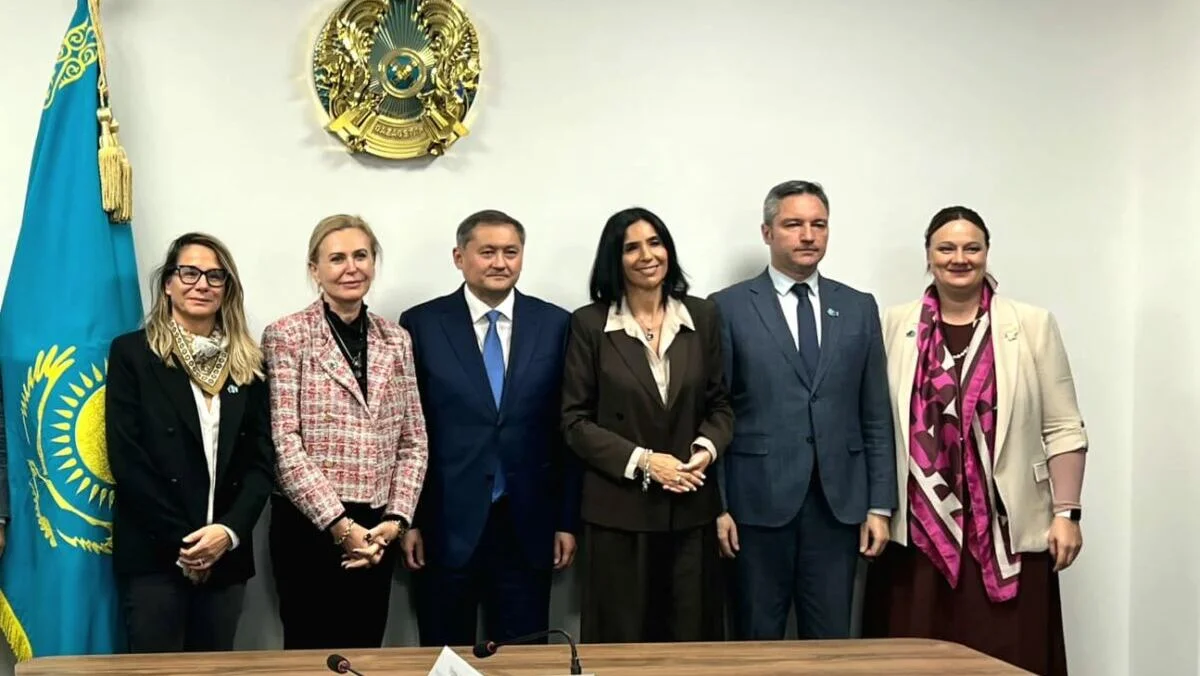
During the visit, the EP delegation visited the Artificial Intelligence Centre in Astana, where the MEPs learned about the impressive scale of its activities – from training and seminars for school students to support for start-ups in AI and high technology. The delegation also met students and lecturers at Nazarbayev University, one of the leading research universities, where particular attention was paid to opportunities for Erasmus programme exchanges and traineeships in the European institutions. In a separate meeting, the Minister of Science and Higher Education Sayasat Nurbek outlined Kazakhstan’s achievements in improving the quality of education in the country and its successful efforts to attract branches of leading world universities to different regions of Kazakhstan. Vigenin committed to exploring opportunities for partnerships with Bulgarian universities as well, and raised the issue with the Ambassador of the Republic of Bulgaria to Kazakhstan, Georgi Vodenski, with whom he held a bilateral meeting.
In addition, the delegation met the Ombudsman of Kazakhstan Artur Lastayev, non-governmental and human rights organisations, representatives of the UN agencies based in Astana, as well as the ambassadors of the EU member states.
Visit to Aktau and the Trans-Caspian route
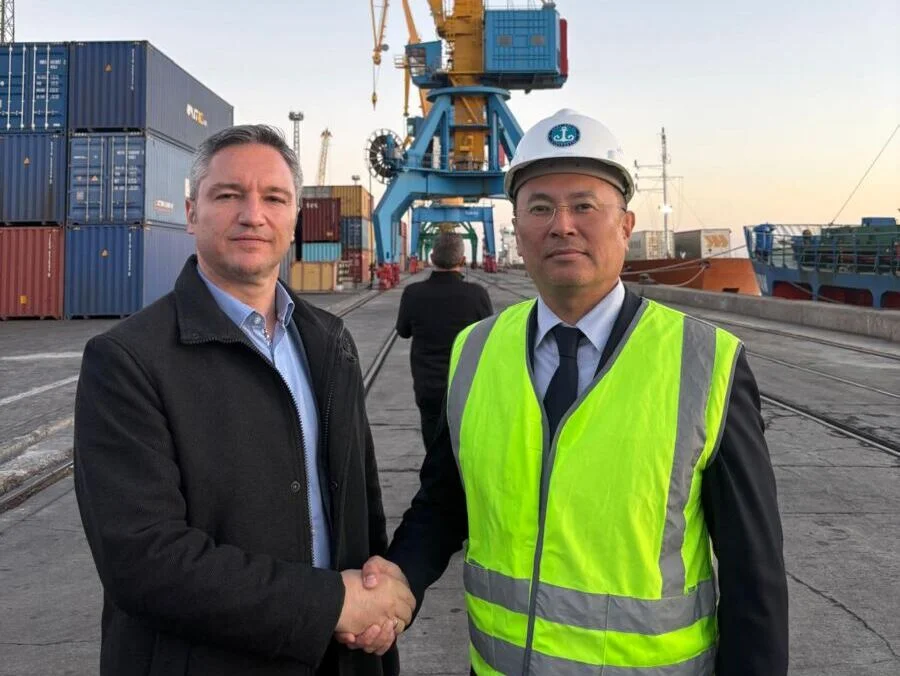
The visit ended with meetings in the Caspian city of Aktau and a visit to the port, whose modernisation is crucial to the success of the initiative to build the Trans-Caspian International Transport Route, known as the Middle Corridor. Bulgaria has been given special responsibility for stepping up work on this large-scale project, which is intended to create a faster and more secure route for trade flows from China and Central Asia through the South Caucasus to the European Union and back.