Exhibition 1
An exhibition on Hristo Botev in Strasbourg: 150 years of immortality. Memory and continuity
17/09/2026
Vigenin: The medical workforce crisis is a threat to healthcare across the whole of Europe
21/09/2026
Exhibition 1
An exhibition on Hristo Botev in Strasbourg: 150 years of immortality. Memory and continuity
17/09/2026
Vigenin: The medical workforce crisis is a threat to healthcare across the whole of Europe
21/09/2026
Vigenin: Europe must not lose its health innovations because of a lack of funding and slow procedures

Vigenin: Europe must not lose its health innovations because of a lack of funding and slow procedures

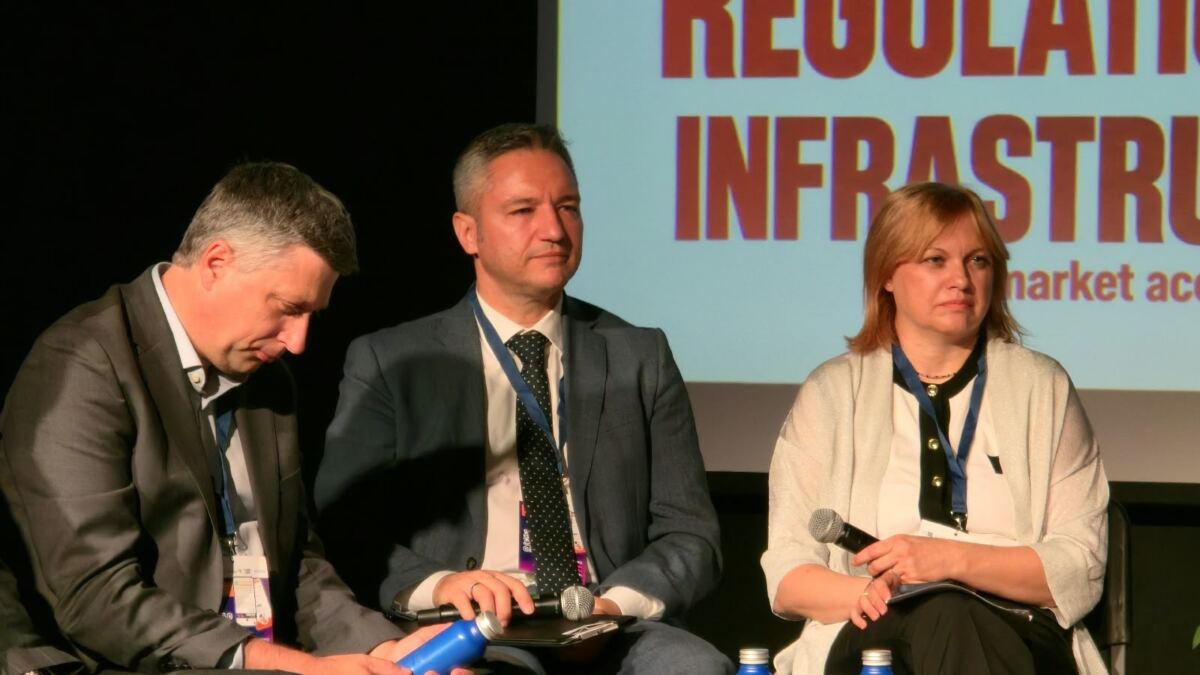
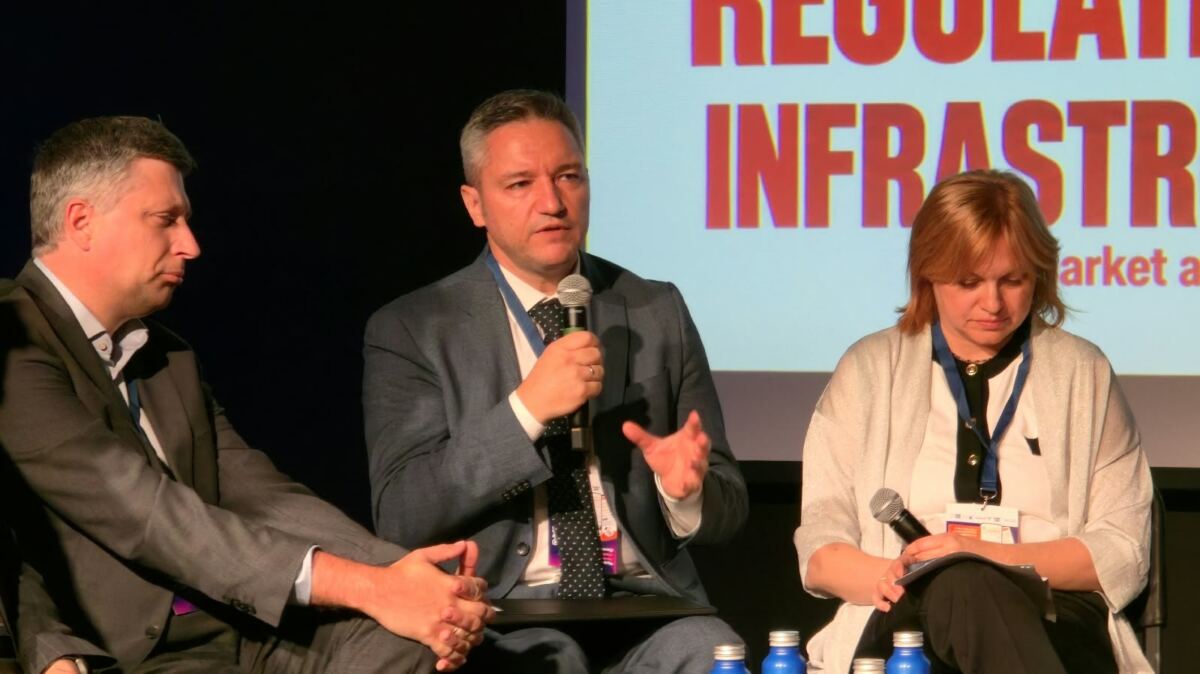
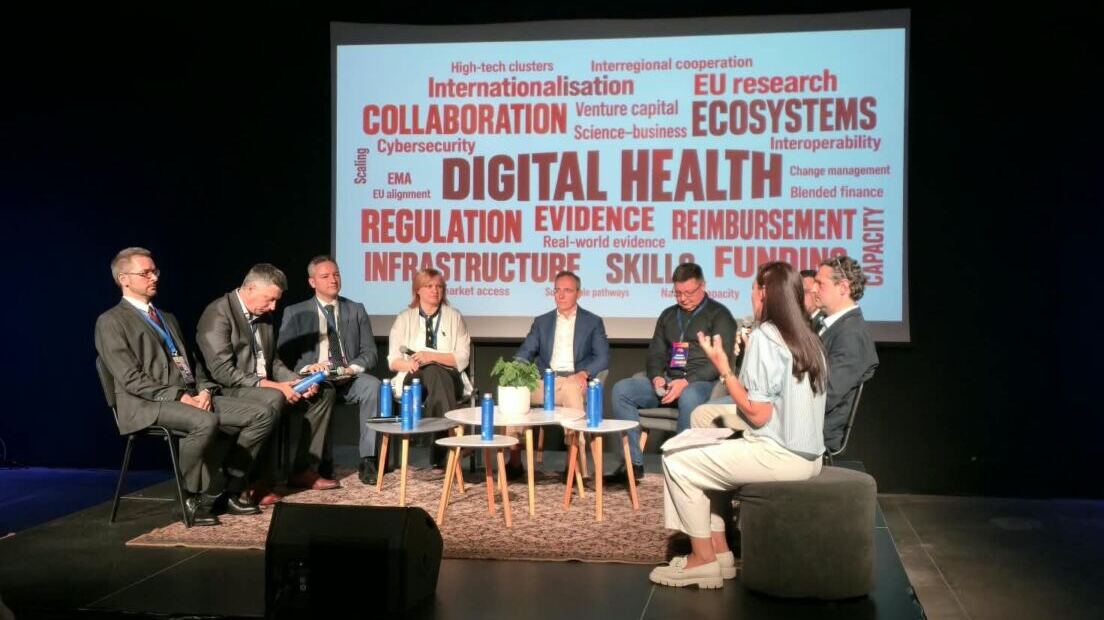
“We need to make sure that new companies developing health innovations have enough access to funding, so they don’t have to go across the ocean, as is happening now.” This was said by Kristian Vigenin, Bulgarian MEP from the Group of the Progressive Alliance of Socialists and Democrats, during a discussion held as part of the HealthTech Buzz @ KOSHER 2026 initiative in Sofia, organised by the Digital Health and Innovation Cluster Bulgaria (DHI Cluster).

Obstacles to health innovation

The MEP took part in a round table on the obstacles to developing health innovations, from scientific research and clinical validation to funding, access to European markets and the real-world uptake of new technologies. The event is part of the IRHIS project, supported by the European Union through the Interregional Innovation Investments Instrument (I3).

Vigenin stressed that European companies need support along the whole path from an idea to actual production and market launch. In his view, access to growth capital remains a particularly serious problem, which is why promising European companies look for opportunities to grow outside the EU. “It is not enough to help a good idea become a product in development. We have to create the conditions for that product to grow, find funding and reach the market here in Europe,” Vigenin underlined.

Slow approval procedures for new treatments

He also drew particular attention to the long and complex procedures for approving new treatments and medicines, which delay the practical use of scientific research. “We have to speed up this process without compromising people’s safety. This is about our health,” Vigenin said.

Round table 2

Differences between member states

Among the serious obstacles to health innovation, he also singled out the differences between national healthcare systems in the EU, which make clinical trials, the exchange of health data and the development of joint cross-border projects harder. “We have 27 member states and 27 different healthcare systems, with regulations that often differ considerably. This is one of the big challenges for everything we do in this area,” the MEP noted.

In his words, more joint European projects can gradually build links not only between companies and research organisations, but also between the healthcare systems themselves. As an example, Vigenin pointed to IRHIS, which aims to connect regional innovation ecosystems and to support health technologies on their way from pilot validation to real-world use, investment readiness and international growth.

Healthcare in the next EU budget

Vigenin also raised the question of the place of healthcare in the EU’s next long-term budget. In his view, with growing needs in other areas, Europe must keep enough resources for health and health innovation. Among the possible forms of support, he highlighted new European legislation currently being adopted, such as the Biotech Act, which will ensure faster development of strategic projects in this field and better connect them with public and private funding so they can scale up.

According to him, one of the EU’s important tasks is to give companies from Bulgaria and other less developed regions more predictable access to European partnerships, investment, pilot projects and markets, instead of their development depending mainly on individual contacts.

The HealthTech Buzz initiative

Access to European value chains is one of the central themes of the HealthTech Buzz initiative. The forum brought together start-ups, representatives of the health sector, research organisations, investors, institutions and established companies in Sofia.