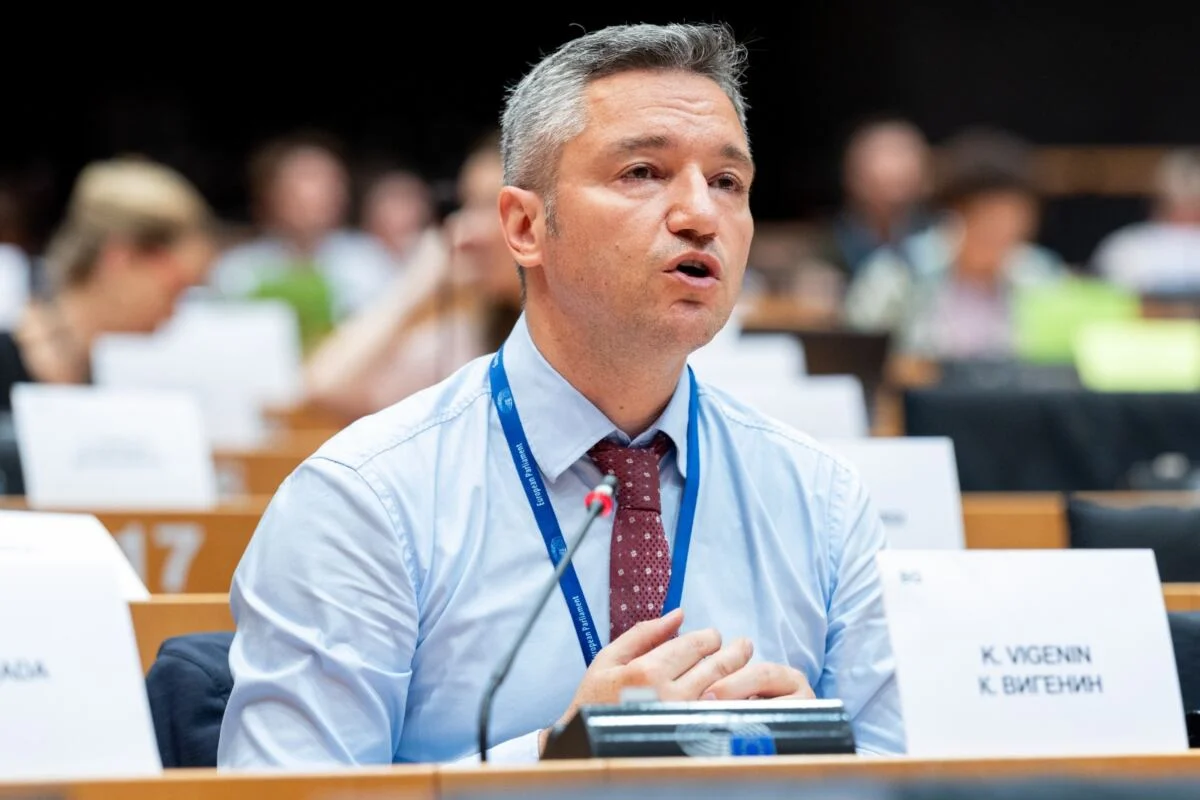
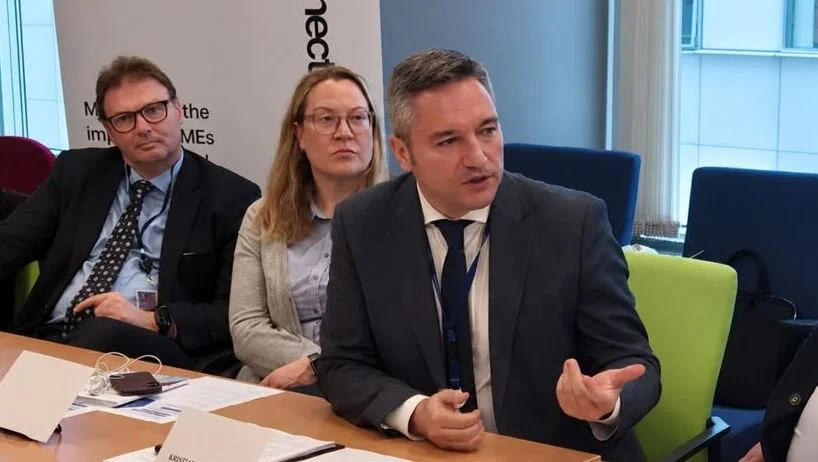
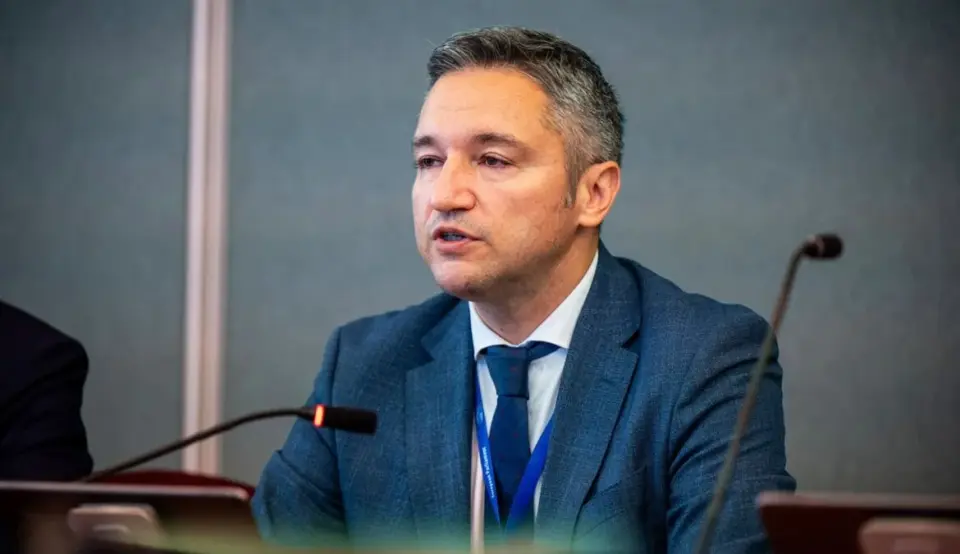
How will the European Commission ensure that the drive for technological sovereignty does not lead to new dependencies and additional pressure on energy systems and water resources? This question was raised by Bulgarian MEP Kristian Vigenin from the Group of the Progressive Alliance of Socialists and Democrats in the European Parliament during a debate in the Committee on Civil Liberties, Justice and Home Affairs. The Executive Vice-President of the European Commission, Henna Virkkunen, presented the Tech Sovereignty Package, which aims to reduce the EU’s dependence on foreign digital technologies, cloud services and critical digital infrastructure.
The Tech Sovereignty Package
“We welcome the Commission’s Tech Sovereignty Package. Clearly, we need to reduce our dangerous dependence on foreign digital infrastructure, cloud services and platforms. At the same time, we have the chance to learn from the mistakes of our partners and competitors, because the United States is not as shining an example as some have tried to present it,” Vigenin commented. He pointed out that the chaotic development of AI infrastructure in the US is already causing serious disputes at local and state level, and warned that Europe must avoid a similar model.
“The expected expansion of AI infrastructure, semiconductor production and data centres will significantly increase demand for energy, water and grid capacity. At the same time, we are already facing growing pressure linked to the climate and resource constraints,” the Bulgarian MEP stressed.
Vigenin put a specific question to the European Commission: “What specific safeguards and incentives are being considered to ensure that Europe’s digital infrastructure is both sovereign and sustainable?”
The Commission’s reply
In her reply, the Executive Vice-President of the European Commission, Henna Virkkunen, gave assurances that building Europe’s technological capacity sustainably is among the Commission’s main priorities. She said that over the coming years the EU plans to triple the capacity of European data centres, supporting only the most energy-efficient facilities that use clean energy and spare natural resources. In her words, each Member State will have to designate special zones for fast-tracking the construction of data centres, and the Commission is already working on EU-wide criteria for energy efficiency and transparency in how they operate.
Vigenin summed up that Europe needs technological sovereignty, but it must be built in a way that strengthens digital independence, energy security and sustainable resource management at the same time.