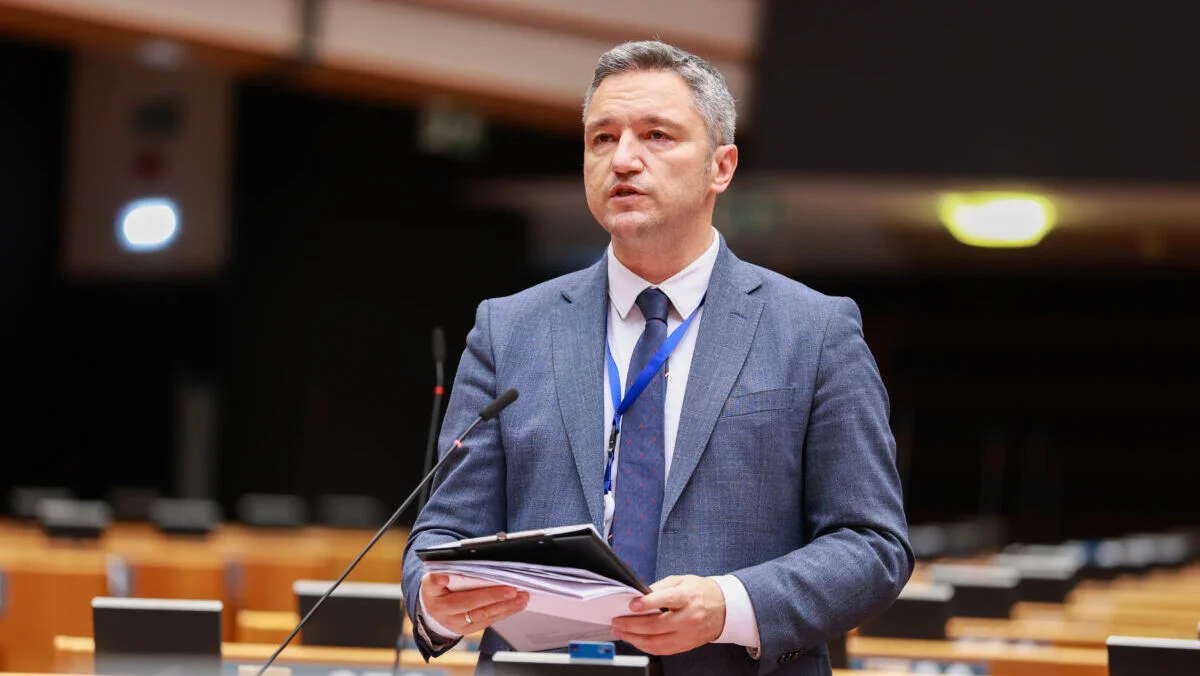
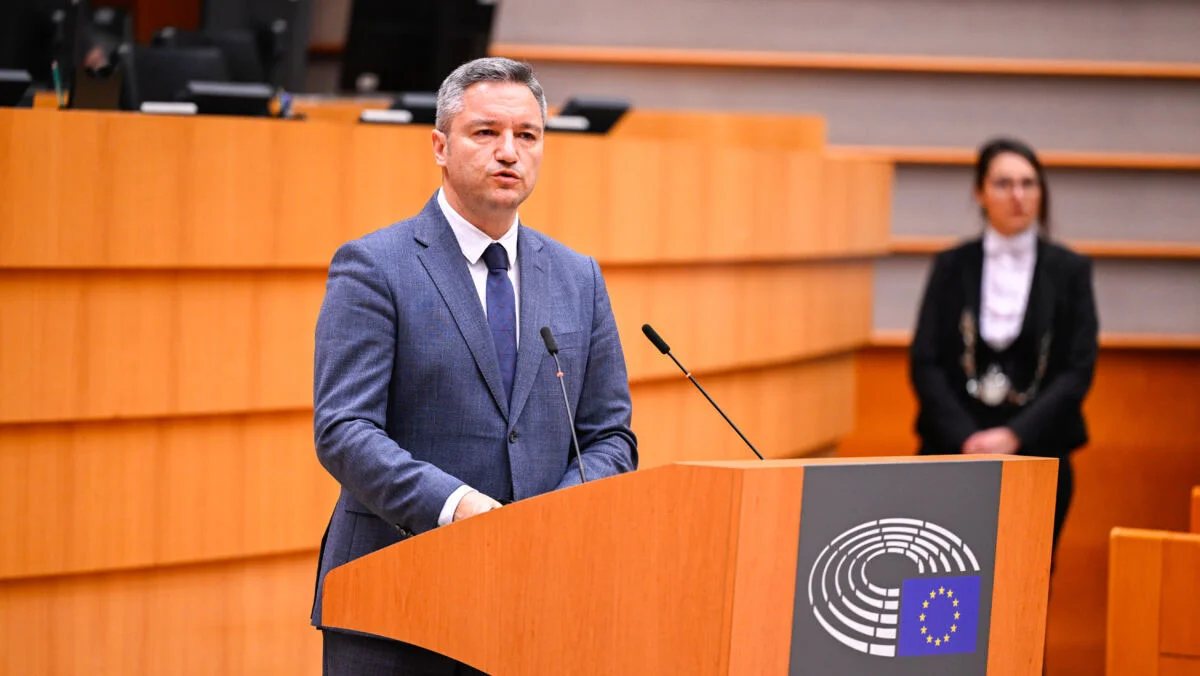
“We protected both people and industry, including Bulgarian producers of rose and lavender oil. After long and tough negotiations on the Omnibus 6 package, we managed to reach a balanced compromise and win support in the European Parliament.” This was stated by Bulgarian MEP Kristian Vigenin, rapporteur on the adopted legislation for the Group of the Progressive Alliance of Socialists and Democrats in the European Parliament.
The MEP noted that there is often talk of industry, standards and “Brussels regulations”, but it is rarely explained what actually lies behind them and how they directly affect Bulgarian producers, from small producers to large companies.
What Omnibus 6 changes
“Omnibus 6 on chemicals concerns three European regulations: on cosmetics, on the labelling of chemicals and on fertilisers. The Commission’s idea was to simplify the rules, but in practice there was a risk that this would lead to a lower level of protection for consumers and workers,” Vigenin explained. He pointed out that the core principle has been kept: hazardous substances, including carcinogens, cannot be used freely in cosmetics. “We stopped attempts to keep these substances on the market for longer and kept clear labelling rules: the information must be legible, visible and accessible.”
The MEP explained that the rules on online sales have been improved, because more and more people buy this way, and that a more realistic approach to replacing hazardous substances has been ensured without blocking industry.
Protecting rose and lavender oil
“Bulgaria is a world leader in the production of rose and lavender oil, which are at the heart of the European and global cosmetics industry. Essential oils are natural products, but they contain complex chemical components, some of which may fall under stricter classifications. With the wrong approach, this could have put enormous pressure on Bulgarian producers,” Vigenin said of the danger that was averted.
He explained that he had insisted that every substance, including those of plant origin, be assessed scientifically and in a balanced way rather than automatically treated as a risk, and that there be clear and workable rules that do not penalise traditional sectors such as ours.
“With this compromise, Bulgarian producers get more predictability, we avoid abrupt and unjustified restrictions, and we keep market access and competitiveness while guaranteeing a high level of safety,” the MEP said, highlighting the benefits for Bulgaria.
In conclusion, Vigenin gave the adopted file as an example of how Europe should work: “Not as a machine for bans, nor as a tool for deregulation at any cost, but as a place where a sensible balance is sought between people’s health and the development of industry. When that balance is reached, everyone wins. Including Bulgaria.”