19/10/2026
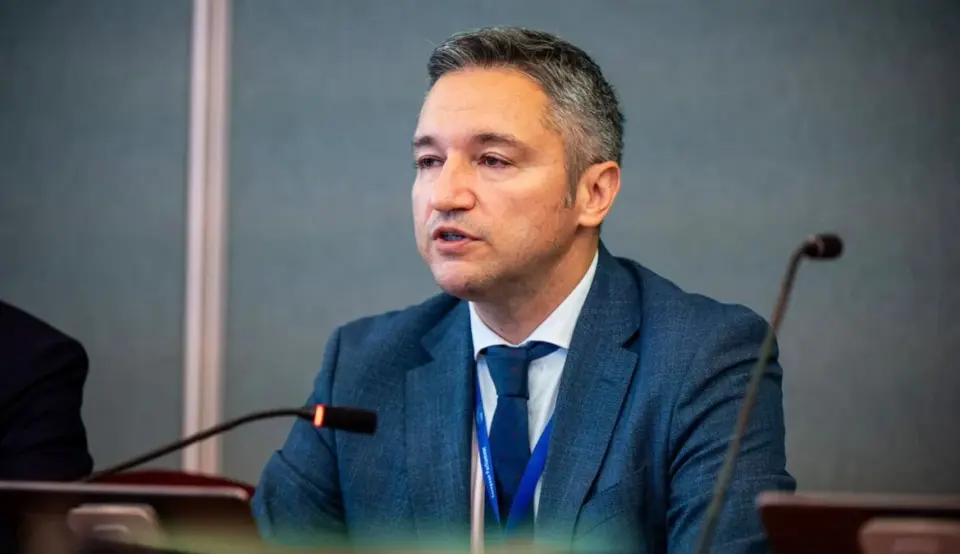
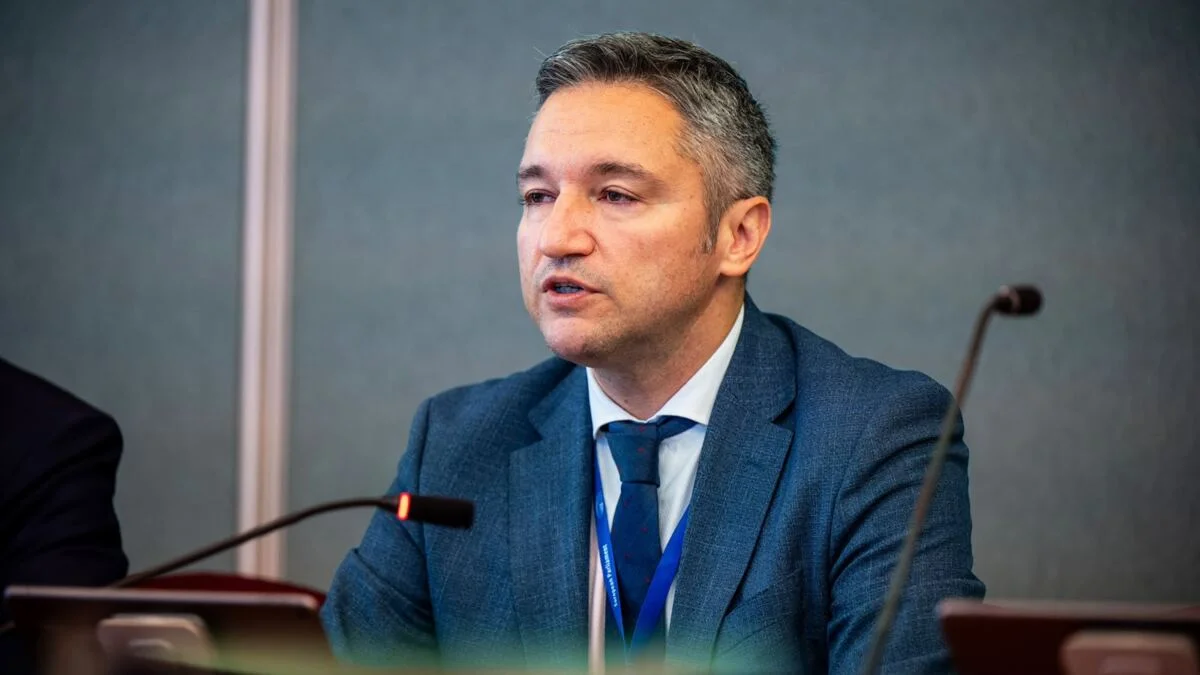
Kristian Vigenin with solutions for reviving the BSP: „My plan: For a strong BSP! Together!“
23/01/2025
Kristian Vigenin with ideas for supporting young people and families, protecting small business and developing staff in the BSP
25/01/2025Kristian Vigenin with solutions for reviving the BSP: „My plan: For a strong BSP! Together!“
23/01/2025Kristian Vigenin with ideas for supporting young people and families, protecting small business and developing staff in the BSP
25/01/2025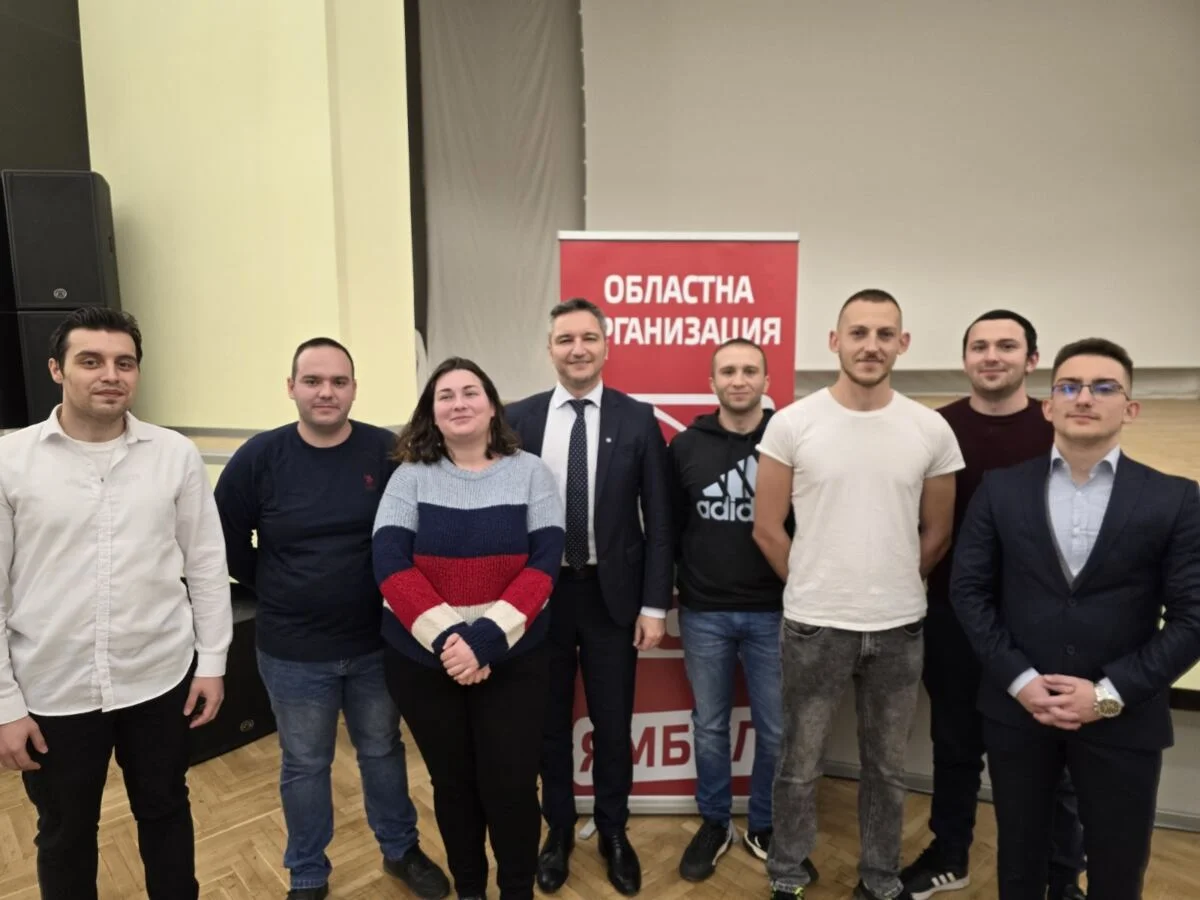
Kristian Vigenin's programme: "For a strong BSP! Together!"
MY PLAN: FOR A STRONG BSP! TOGETHER!
The BSP needs rapid and well prepared changes that will stabilise it and lay a firm foundation for broadening its influence in society. The mistakes of the past that contributed to the present state must be carefully thought through. That is why I set out first several matters of principle related to the way we work, which are essential for the general atmosphere in which the party will operate.
- The centre of decision-making must return to the party bodies and must have the broadest possible base. The next Executive Bureau must include participants in the executive, representatives of local government, of the National Assembly, of the European Parliament and of the horizontal structures, giving a chance to more young, professionally prepared people who will build the party’s new face.
- The role of the local structures needs to be strengthened, with more responsibilities but also greater support. The regional structures of the BSP should take part in discussing all important decisions, both of the Executive Bureau and of the National Council. An end to one-man decisions and the concentration of power. The BSP is a democratic party and this must be evident in its interaction both horizontally and vertically.
- The internal conflicts and the unprincipled confrontation must be closed down. This requires skill and great effort on the part of the future chair. The BSP must be open to differing opinions, but it can no longer afford to be torn apart from within. A categorical rejection of the divide and rule principle.
- Absolute implacability towards any corrupt practices by any representative in government, at whatever level. Mistakes in government are reparable and forgivable, involvement in corruption and questionable actions are not. The recent past proves that even the best governing results can be cancelled out by suspicions of corruption. Remaining clean in government is a first-order goal.
1. Ideology, principles and values in contemporary conditions, towards a new political programme
- Continuing the discussion on democratic socialism in the 21st century with national events, and organising discussions in every region on the values, programme and policy of the BSP, on the basis of the Guidelines for drawing up a new BSP programme adopted by the 50th Congress in 2023, which set out 5 emphases: Peace, security, cooperation; Social justice and sustainable equality; Strengthening democracy and protecting human rights; A strong economy and transformation of the economic system; Social and ecological progress;
- Strengthening the capacity of the National Political Institute, which is to provide the necessary expert assistance in preparing and conducting the discussions;
- Attracting a wider circle of representatives of other left parties and of civic organisations, researchers and university lecturers, and specialists in various fields of public life and state governance;
- Involving in the discussions representatives of partner parties from the PES and the Socialist International, as well as experts from their research units and foundations.
2. Organisational strengthening
- Achieving a stable basis for organisational work in the BSP and increasing the capabilities of the organisational units in the National Council and in the regional and municipal structures;
- Carrying out a full review of the organisational state of the BSP against defined criteria over time (for example changes in membership, election results, meetings held, initiatives and so on) and producing a map of the most problematic regions, municipalities and settlements; on this basis, taking concrete measures tailored to the problems identified;
- Rethinking the responsibilities of the organisational units at central and local level so that activities are carried out where this will be most effective and give the best result;
- Holding regular training for the activists, with a special training programme for the regional coordinators prepared in addition;
- Special attention to election preparation and to the electoral process: a full review aimed at overcoming the weaknesses related to the preparation of the electoral administration, the messages and campaigns, work with the media, communication with voters and so on;
- Improving communication and interaction with the local structures, using new technologies for video conferencing and the exchange of information;
- Stronger involvement of members of parliament in the process of increasing the organisational capacity of the local structures;
- Studying good practices from the BSP’s partner parties, including visits to exchange experience.
3. Restoring the finances and a new funding system
- Implementing a plan to stabilise the party’s finances over a horizon of 1 to 2 years, drawn up with the help of financial experts;
- New mechanisms for attracting donations for the party’s work, using new technologies, text messages, online transfers through the BSP website or a dedicated mobile application; better collection of membership fees;
- A new funding model, studying the possibilities for a decentralised approach and for avoiding dependence on large donors;
- A fair distribution of the state subsidy;
- Full financial accountability for the income and expenditure of the BSP and of the organisations linked to it;
- Creating a fund for carrying out initiatives on a project basis, which the horizontal and local structures can draw on.
4. The BSP’s participation in government, mechanisms of accountability and control
- A clear and transparent mechanism for selecting the staff who will be engaged in government, at national, regional and municipal level alike;
- A system of accountability for the ministers put forward by the BSP, and of control over the government’s work in individual sectors, with the main responsibility lying with the parliamentary group of the BSP United Left and the Councils at the BSP National Council; the timely rejection of governing intentions of the partners in government that conflict with basic BSP principles;
- A periodic review of the implementation of the Agreement on a parliamentary majority and of the governing programme;
- Involving the BSP’s experts in shaping and further developing the BSP’s policy in government, with an emphasis on the sectors for which the BSP’s representatives are responsible.
5. Digitalisation and new technologies in the work of the BSP
- Extending the practice of holding online meetings and sessions, which proved during the pandemic to be a successful form of interaction that should be developed;
- Reviewing the electronic registration system with a view to upgrading it with new functionalities, possibilities for direct communication with members and consultation on important questions, easier updating of the databases for more effective work with the party’s staff bank and so on;
- Updating the possibilities for electronic participation in the work of the BSP, including submitting membership applications, filling in forms for participation in elections, exchanging documentation and so on, which is also linked to modernising the BSP website;
- Reducing the exchange of paper documents to a minimum.
6. Building and attracting staff
- Reviewing the state of the BSP’s staff bank and, on that basis, drawing up a comprehensive programme for building, attracting and developing staff;
- Restoring the system for training staff for active party work;
- Efforts to broaden the BSP’s influence in academic circles by creating a network of doctoral students and young lecturers in Bulgarian and foreign universities;
- Strengthening cooperation with specialised NGOs and research centres, which would assist the Councils at the BSP National Council and the parliamentary group in drawing up BSP positions on various questions;
- Involving the parliamentary group of the BSP United Left and the Delegation of the Bulgarian Socialists in the EP in the process of building staff, work with students, scholarships, internships, staff and non-staff assistants to members of parliament and so on;
- Support for joint initiatives with the Youth Union in the BSP for attracting and working with young specialists in particular sectors.
7. Strengthening parliamentary work
- Improving the interaction between the parliamentary group and the BSP National Council and the local structures, thereby also publicising the work of the parliamentary group;
- Strengthening the presence of members of parliament in the regions through new forms of direct contact with citizens;
- Organising away meetings of the parliamentary group, and of members of parliament from the various committees in individual regions, with an emphasis on the specific problems of the region, preparing questions for parliamentary scrutiny and hearings and seeking feedback once commitments have been met;
- Running public campaigns by the parliamentary group itself on particular topics, using the whole toolkit at its disposal, meetings, media appearances, debates in parliament, parliamentary scrutiny and so on;
- Strengthening the exchange of information and the joint work of the parliamentary group with the BSP’s members of the European Parliament, including through periodic meetings at which specific European topics are discussed.
8. Attention to local government and the BSP’s representatives in it
- Creating a network of the BSP’s representatives in local government (mayors, deputy mayors and councillors), which would become an environment for exchanging information and ideas, for running national campaigns on local government matters and for increasing the BSP’s visibility in local self-government;
- Holding regular meetings of the national leadership with the mayors nominated or supported by the BSP, and with socialist deputy mayors, at which the BSP’s priorities are discussed and coordinated;
- Tabling legislative changes on problems identified by the BSP’s representatives in local government.
9. Interaction with parties, trade unions and non-governmental organisations
- The start made on uniting the left formations with the creation of the BSP United Left must be carefully thought through and developed not as a mechanical sum of existing left and patriotic organisations but as a centre of attraction for all left and centre-left voters;
- Building a second circle of parties and organisations with which structured cooperation is sought, without this necessarily being formalised in agreements;
- Lastingly normalising the dialogue with the trade unions and building a European model in which left parties and trade unions are in close interaction and coordination.
10. Media and social networks
- Building a strong PR and communications unit at the BSP National Council, with the Press Centre as part of it; this unit must prepare, direct and coordinate the whole media and communications policy of the BSP with all the instruments at its disposal;
- Putting into practice a media policy covering all aspects, from the selection of topics and media channels to the selection of spokespeople, their preparation for appearances, the introduction of new faces and so on.
- Producing a new BSP website and supplementing it with new functionalities, building a mechanism for its development and for updating the information on it; using every possibility to publicise it;
- Further developing the network of Facebook pages of the regional and municipal BSP organisations and using it not only during campaigns but on a permanent basis; moving into other social networks as well, TikTok and Instagram;
- Systematic work with the regional media with the support of the BSP Press Centre; the regional coordinators should be engaged not only with organisational matters but also with supporting media policy at regional level;
- Steps towards the gradual building of a joint media pool between the Duma newspaper and the publications of the BSP National Council, while preserving their editorial autonomy and independence, in order to optimise resources;
- A review of the state of the Duma newspaper leading to financial stabilisation alongside a broadening of its audience;
- Resuming the broadcasts of BSTV in the form of a podcast on the internet, where our initiatives can be publicised and problems given a voice.
More
News
18/10/2026