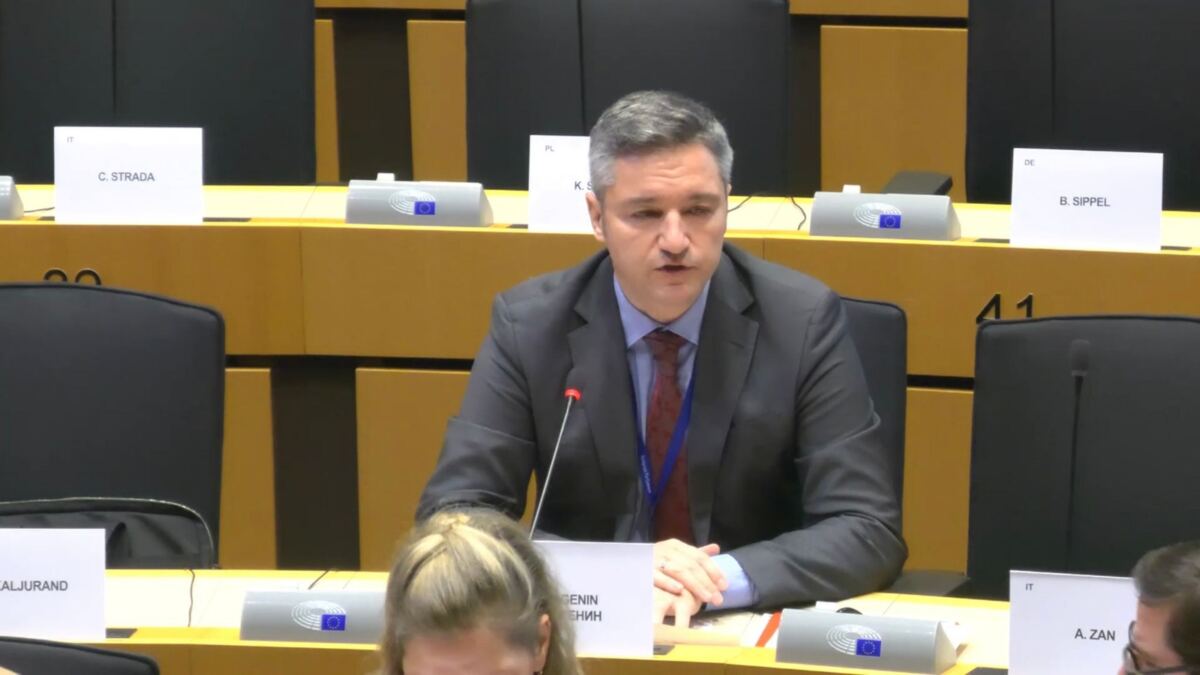
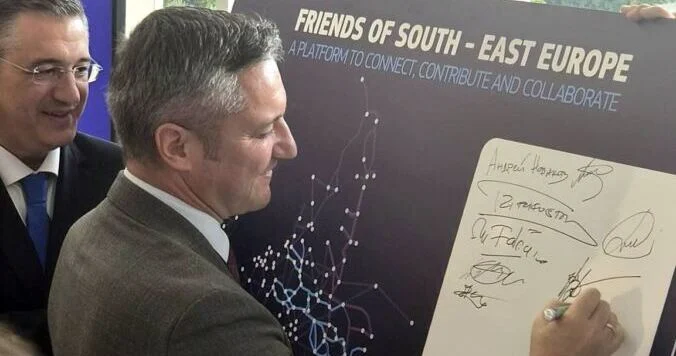
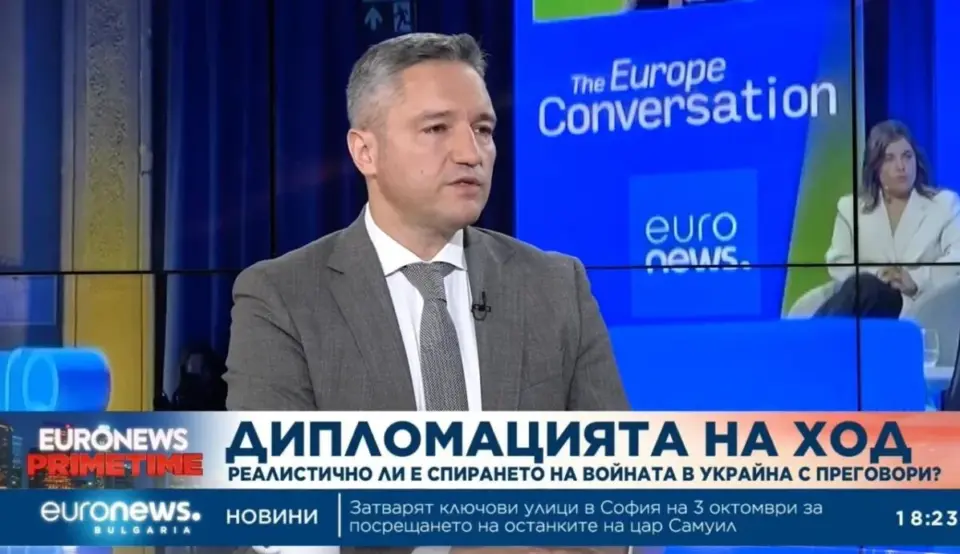
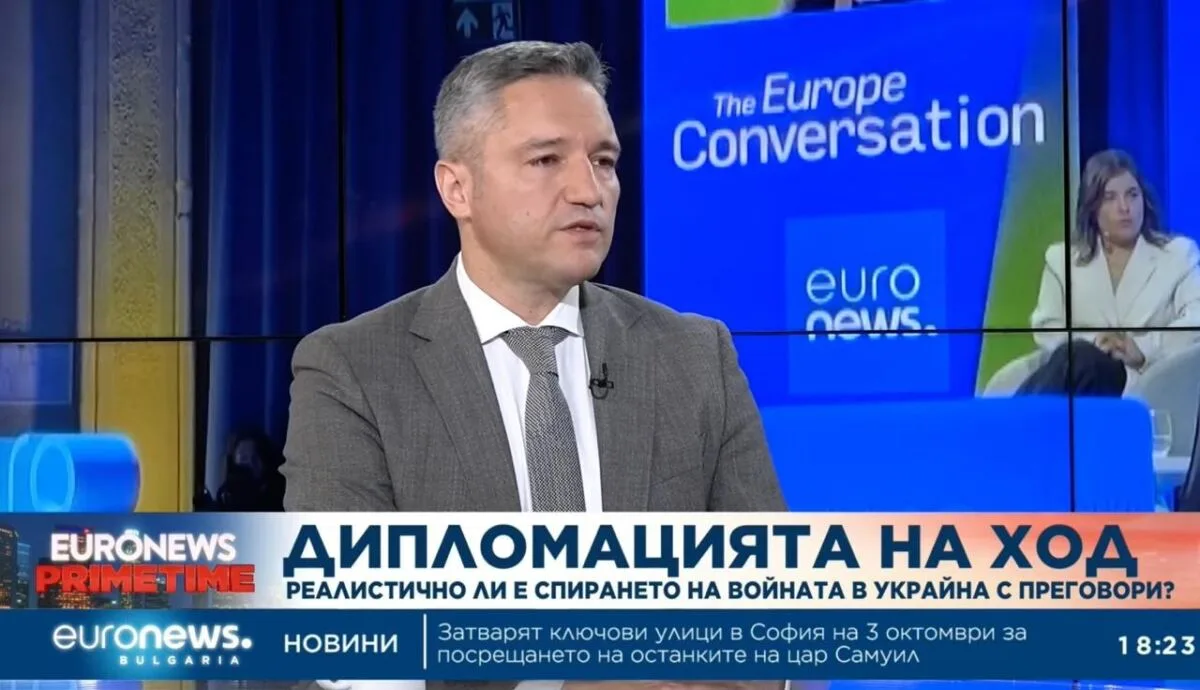
Bulgarian MEP Kristian Vigenin from the Group of Socialists and Democrats took part in the annual meeting to assess the work of the European Union Agency for Criminal Justice Cooperation (Eurojust). He put two questions to the agency’s president Michael Schmid, related to the tension along the migration routes and the need for more effective coordination in the region.
Vigenin stressed that Eurojust remains an important partner for the member states in the fight against serious cross-border crime, pointing out that the number of cases sent to the agency has grown fourfold over the past decade. “In 2024 alone Bulgaria was second in the EU for involvement in migrant smuggling cases, a clear sign of the pressure on the country and on the whole region,” he said.
The first question the Bulgarian MEP raised concerned cooperation with the Western Balkans. “The Balkan route remains a main line for migrant smuggling and human trafficking. There are joint investigation teams, but they need to become more systematic and more widely used,” Vigenin pointed out, and asked how the EU can expand this cooperation and what changes would make work in the region easier.
The second question was aimed at the EU’s cooperation with Turkey. Vigenin recalled that the Council of the EU gave a mandate back in 2021 for negotiations on an agreement between Turkey and Eurojust, but that there has been almost no progress. “This limits our scope for effective coordination, even though Turkey is an important partner in the fight against cross-border crime. The process needs to be moved forward,” he stressed.
In reply Eurojust president Michael Schmid pointed out that there are working mechanisms for closer partnership with the countries of the Western Balkans, including a special group on the Balkan route and specific projects for expanding joint operations. As for Turkey, he said that the negotiating process is more complex, since it falls within the competence of the European Commission, but that meetings have been held with representatives of the Turkish judiciary in order to underline the mutual benefits and look for progress.
“European security requires real partnership and effective instruments. Eurojust plays a central role, but the EU also has to strengthen cooperation with key partner countries if we want to counter criminal networks along their whole route,” Vigenin said in conclusion.