26/11/2026
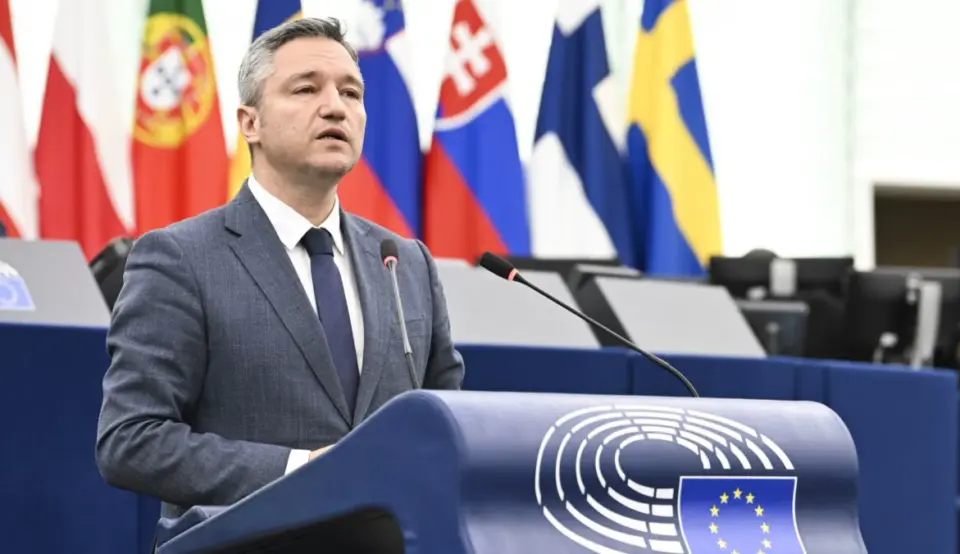
Kristian Vigenin: The war in Ukraine has reached our shores
26/11/2026Kristian Vigenin: The war in Ukraine has reached our shores
26/11/2026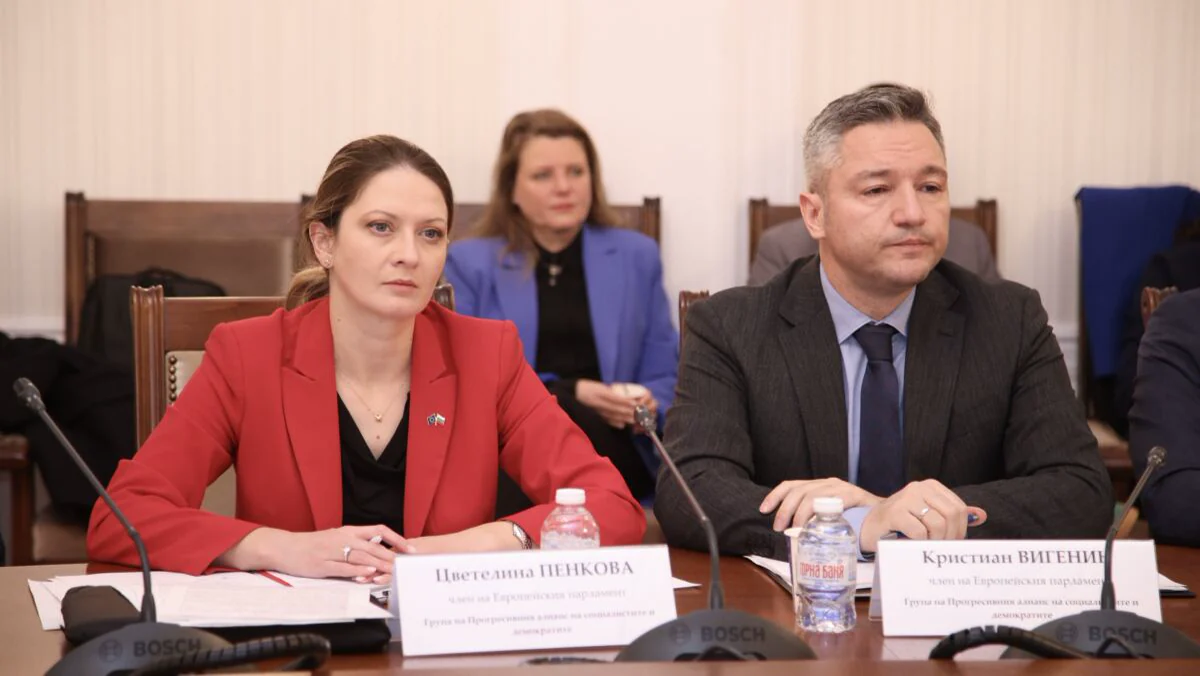
Bulgarian socialists in the European Parliament: Our positions on the EU budget are in sync with Bulgaria's priorities
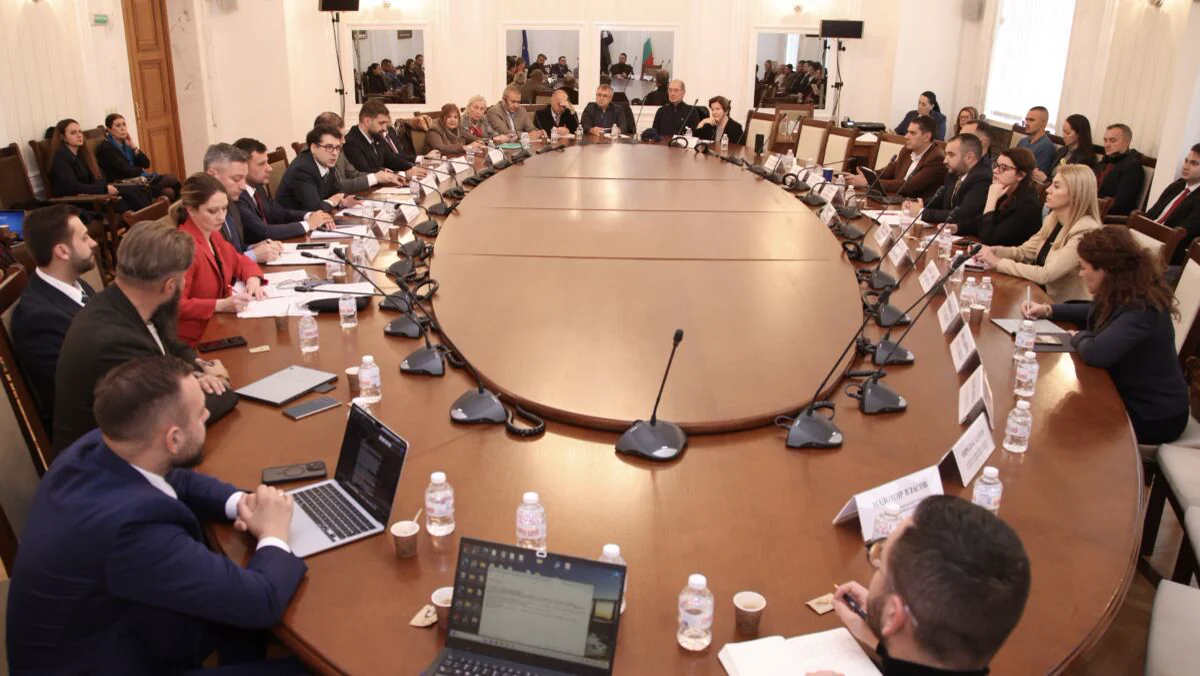
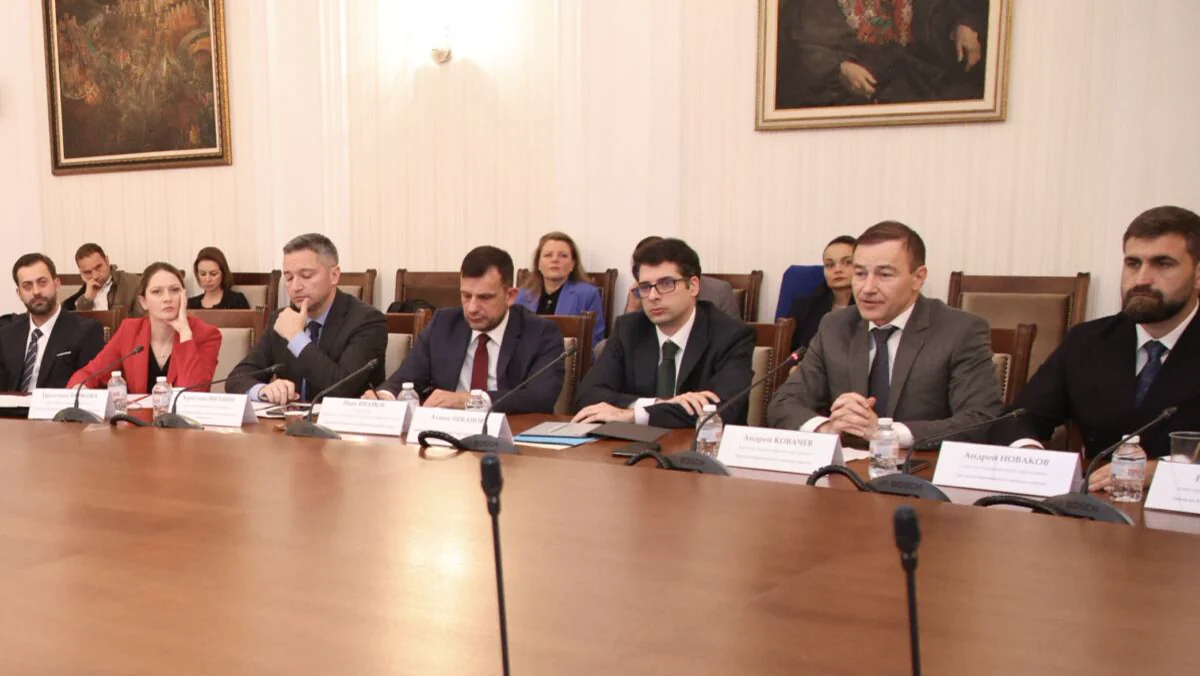
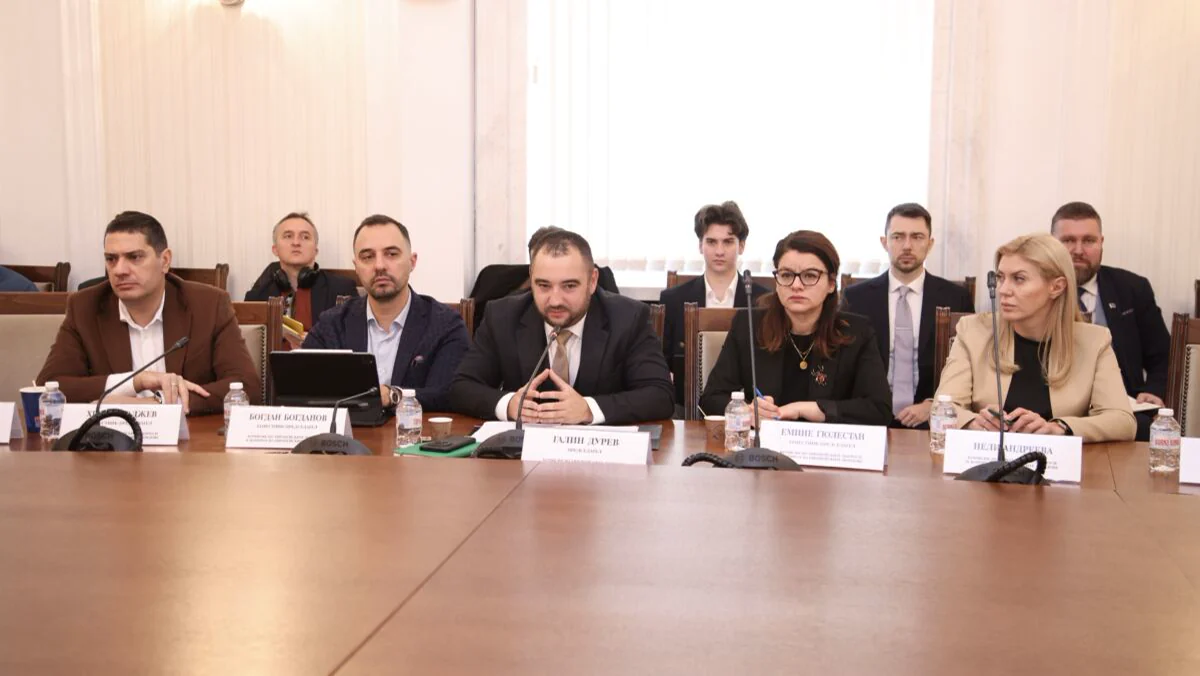
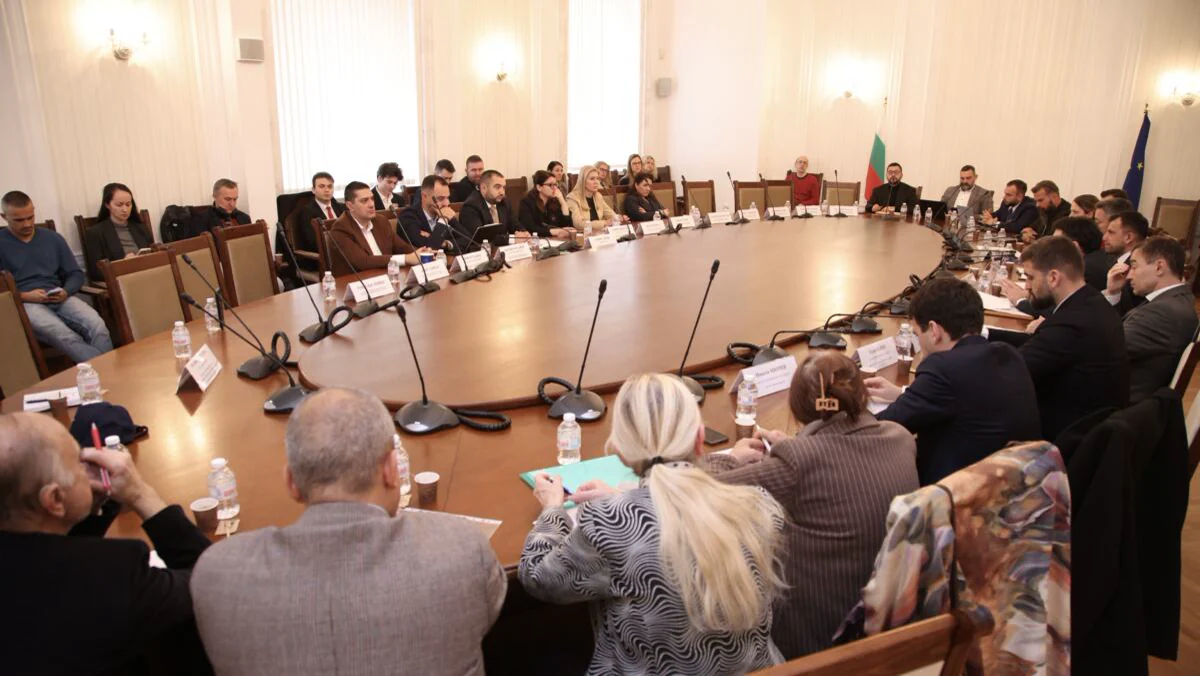
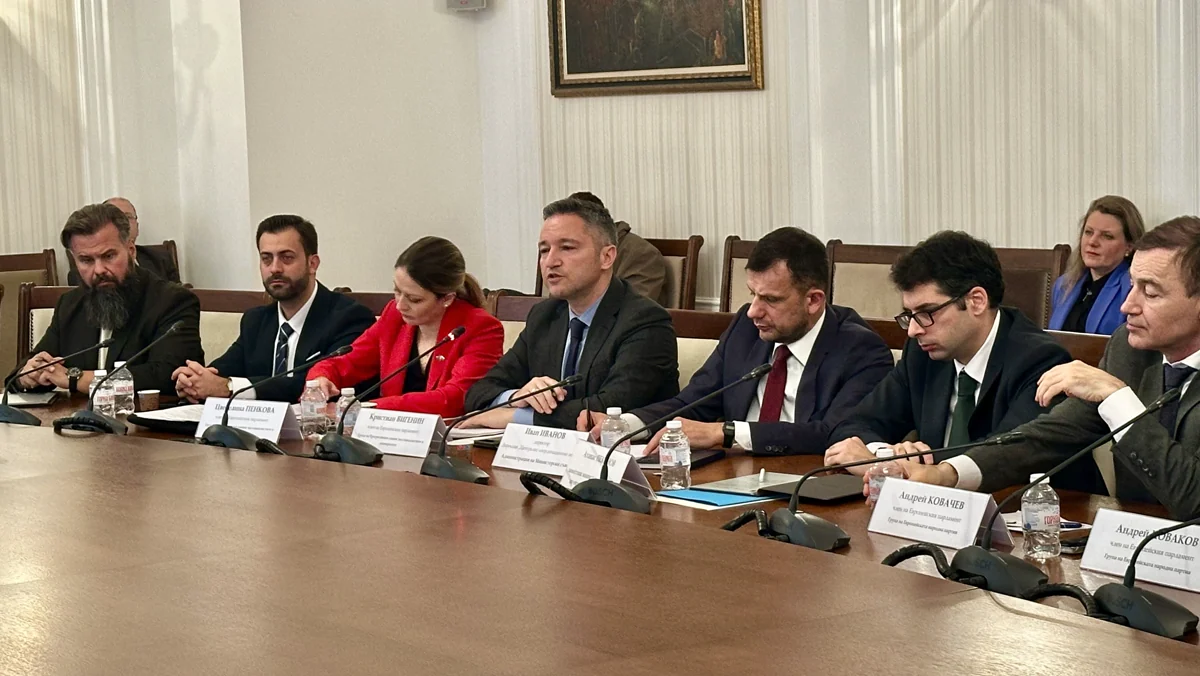
MEPs Kristian Vigenin and Tsvetelina Penkova from the Delegation of the Bulgarian Socialists in the European Parliament took part in a discussion in the National Assembly dedicated to the future Multiannual Financial Framework of the EU for the period 2028–2034.
The discussion, organised by the chair of the Committee on European Affairs and Oversight of European Funds (CEAOEF) Galin Durev, was also attended by Atanas Pekanov, MEPs Andrey Kovachev, Andrey Novakov and Nikola Minchev.
Socialists want a bigger budget with a social commitment
Vigenin presented the positions of the Group of the Socialists and Democrats for a bigger European budget with a strengthened social commitment. Among the main demands are funding of EUR 125 billion for the European Social Fund and nearly EUR 25 billion for healthcare. He pointed out that Bulgaria continues to need European funds for cohesion, agriculture, quality jobs and support for children, and stressed that the priorities of the Group of the Socialists and Democrats for the future long-term budget are entirely in sync with the issues that matter to Bulgaria.
The Socialists and Democrats also expect greater ambition with regard to the EU’s own revenues, as a tax on large digital companies could add EUR 25 billion, while another EUR 4 billion could come from a tax on online gambling.
Vigenin devoted special attention to the Black Sea region, pointing out that the increased interest in security in the Black Sea and the development of the so-called Middle Corridor give Bulgaria additional arguments to insist on European funding.
Penkova: Risk to the role of local authorities
For her part, Tsvetelina Penkova warned that transferring the European programmes to national and regional partnership plans carries the risk of limiting the role of local authorities in determining priority projects. According to her, until now the regions have had a more substantial role in the allocation of European funds, including for infrastructure and regional development, and that voice must be preserved.
Penkova stressed the need for Bulgaria to clearly determine which industries it will support with the competitiveness funds. According to her, this is necessary in order to avoid overlap between the different programmes and the excessive channelling of funding towards the defence sector at the expense of other sectors that are important for the Bulgarian economy.
She devoted particular attention to the new opportunities for Bulgaria in the energy sector. Penkova highlighted the significant increase in the funds envisaged for connectivity between electricity transmission networks. According to her, in the next European budget an increase of more than 5 times in funding for this purpose is being discussed. She pointed out that better electricity transmission connectivity is directly linked to overcoming the high electricity prices in Bulgaria and the region, and the funds envisaged make it possible to develop the necessary infrastructure.
Another priority that Penkova highlighted is nuclear energy. She pointed out that the new financial framework envisages greater opportunities for support for the sector, including through the national and regional partnership plans. This would make it possible to finance projects for new nuclear capacities, as well as for the development of component production and supply chains. According to Penkova, Bulgaria must determine the necessary measures and projects in order to take advantage of these opportunities.
Vigenin: The political signal is very important
Vigenin expressed concern that with the proposals for the next European budget, policies that have so far been at the heart of European integration are being pushed into the background. According to him, the increase in funds for defence and competitiveness must not come at the expense of social policy and Europe’s international role.
“It is not just a question of what budget we will negotiate and what budget will be adopted. The political signal that the leaders of the European Union give to European citizens and to the world is very important,” the MEP said.
“On the one hand, we say that we want a strong Union that has a serious role in the world, strong economically, but also politically. At the same time, with the budget we are planning, we are doing exactly the opposite,” Vigenin commented.
The MEP welcomed the initiative to hold the discussion in the National Assembly and called for better coordination between the Bulgarian government and the country’s representatives in the European Parliament. He recalled that nearly a year ago, together with Tsvetelina Penkova, they had organised the first national discussion on the future European budget, but the subsequent conversation between the institutions had not been active enough.
“We are now at a stage where we must try, on the home straight, to achieve the maximum,” Vigenin said. According to him, the upcoming 20th anniversary of Bulgaria’s membership of the EU is an occasion both for taking stock and for a conversation about the future of the Union.
She devoted particular attention to the new opportunities for Bulgaria in the energy sector. Penkova highlighted the significant increase in the funds envisaged for connectivity between electricity transmission networks. According to her, in the next European budget an increase of more than 5 times in funding for this purpose is being discussed. She pointed out that better electricity transmission connectivity is directly linked to overcoming the high electricity prices in Bulgaria and the region, and the funds envisaged make it possible to develop the necessary infrastructure.
Another priority that Penkova highlighted is nuclear energy. She pointed out that the new financial framework envisages greater opportunities for support for the sector, including through the national and regional partnership plans. This would make it possible to finance projects for new nuclear capacities, as well as for the development of component production and supply chains. According to Penkova, Bulgaria must determine the necessary measures and projects in order to take advantage of these opportunities.
Vigenin expressed concern that with the proposals for the next European budget, policies that have so far been at the heart of European integration are being pushed into the background. According to him, the increase in funds for defence and competitiveness must not come at the expense of social policy and Europe’s international role.
“It is not just a question of what budget we will negotiate and what budget will be adopted. The political signal that the leaders of the European Union give to European citizens and to the world is very important,” the MEP said.
“On the one hand, we say that we want a strong Union that has a serious role in the world, strong economically, but also politically. At the same time, with the budget we are planning, we are doing exactly the opposite,” Vigenin commented.
The MEP welcomed the initiative to hold the discussion in the National Assembly and called for better coordination between the Bulgarian government and the country’s representatives in the European Parliament. He recalled that nearly a year ago, together with Tsvetelina Penkova, they had organised the first national discussion on the future European budget, but the subsequent conversation between the institutions had not been active enough.
“We are now at a stage where we must try, on the home straight, to achieve the maximum,” Vigenin said. According to him, the upcoming 20th anniversary of Bulgaria’s membership of the EU is an occasion both for taking stock and for a conversation about the future of the Union.