19/10/2026
Kristian Vigenin will hold a surgery for citizens in Burgas
18/06/2026
Vigenin in Chirpan: We protected Bulgarian rose and lavender in European legislation
20/06/2026Kristian Vigenin will hold a surgery for citizens in Burgas
18/06/2026Vigenin in Chirpan: We protected Bulgarian rose and lavender in European legislation
20/06/2026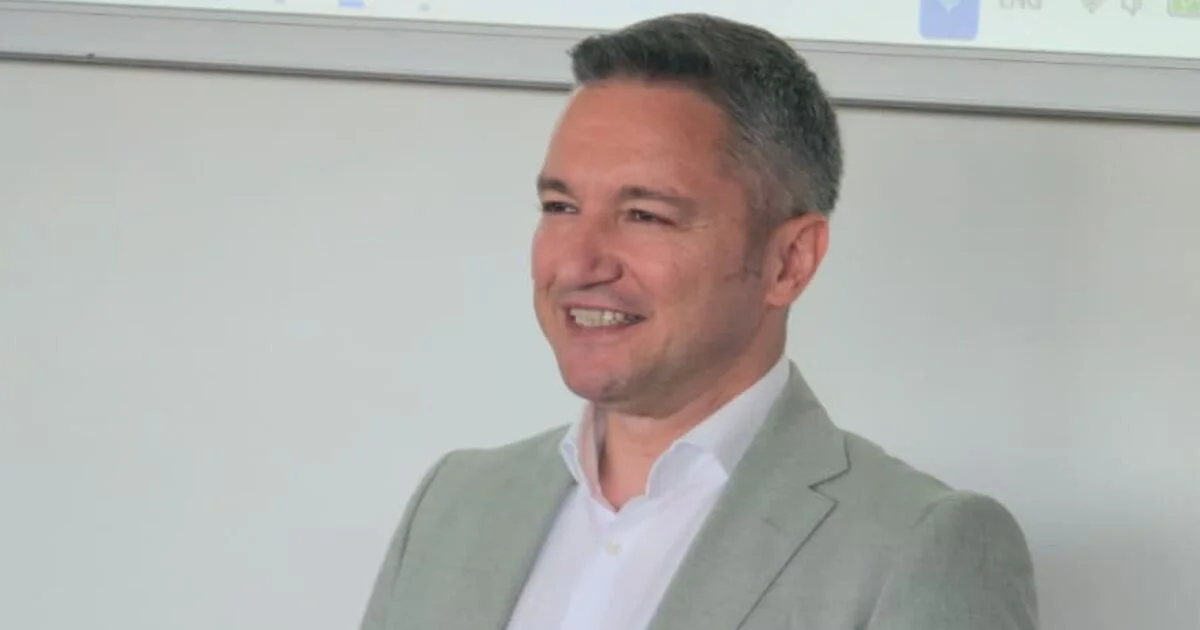
Vigenin in Burgas: The Black Sea must be at the centre of European planning
The MEP proposed a new initiative, "Danube - Black Sea: clean water from the river to the sea", bringing together the Danube and Black Sea basin countries
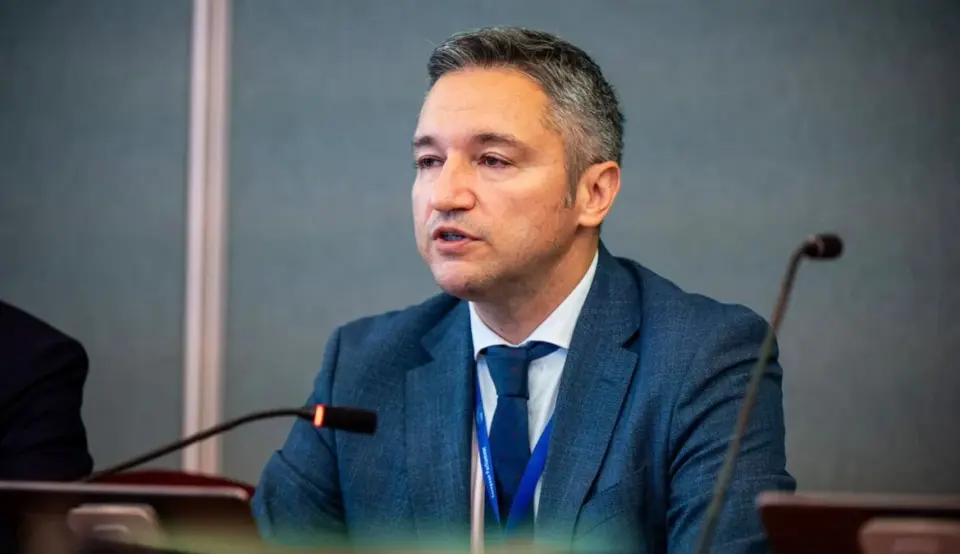
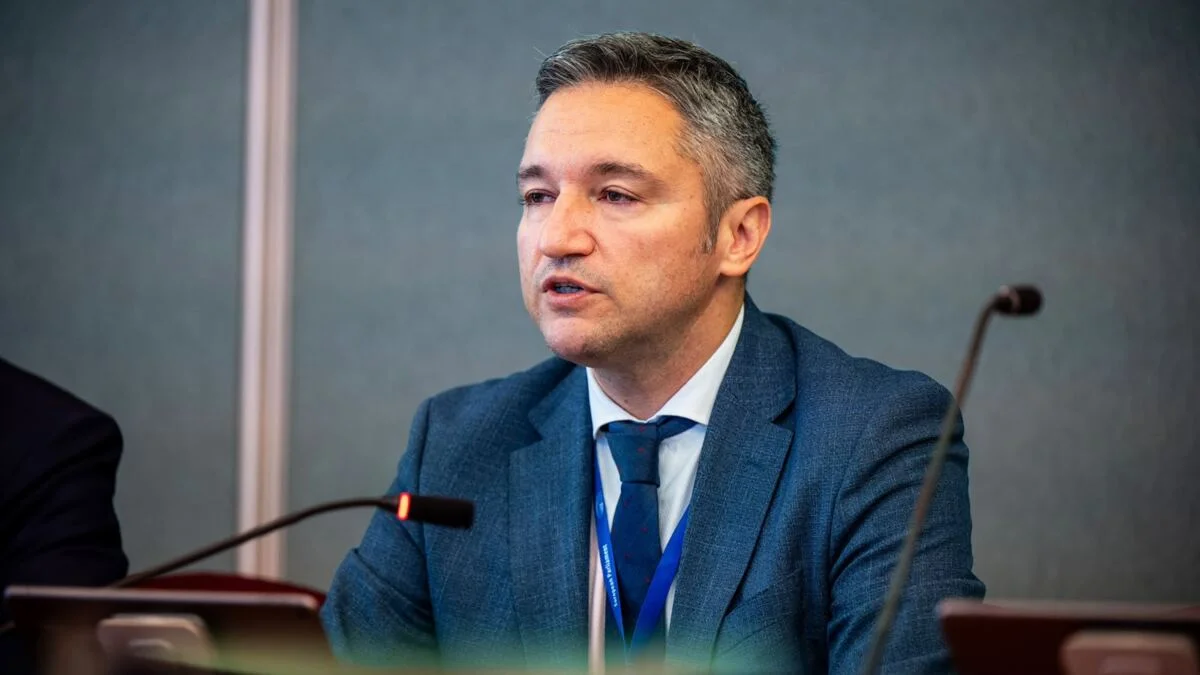
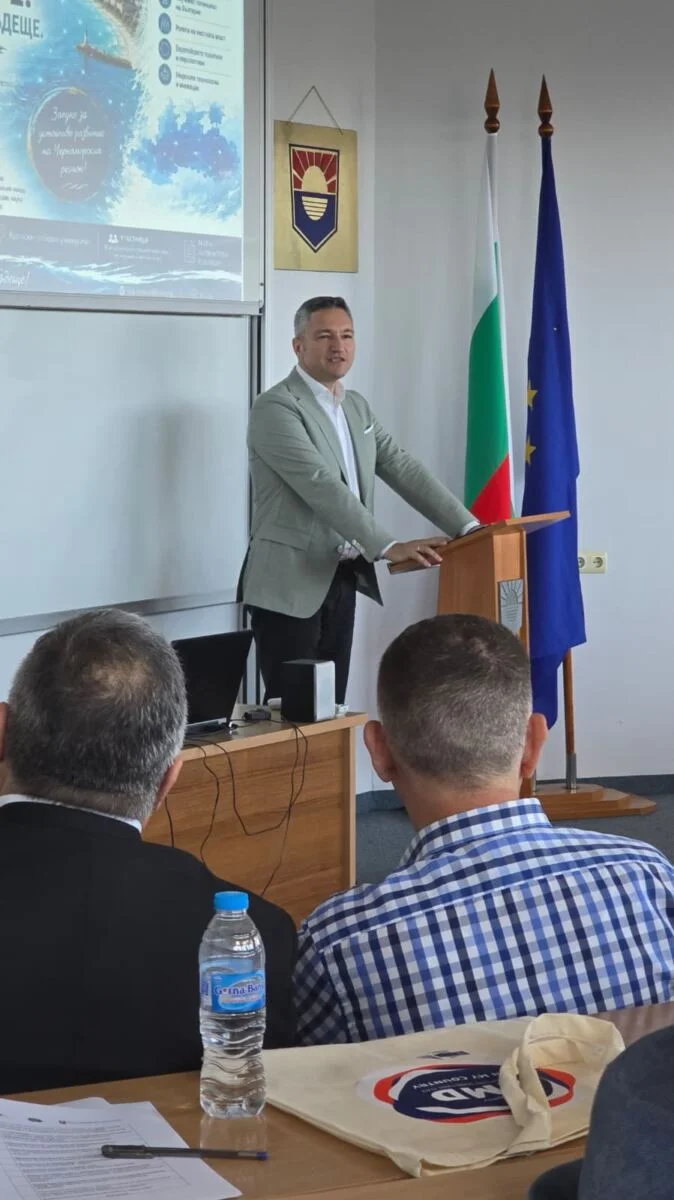
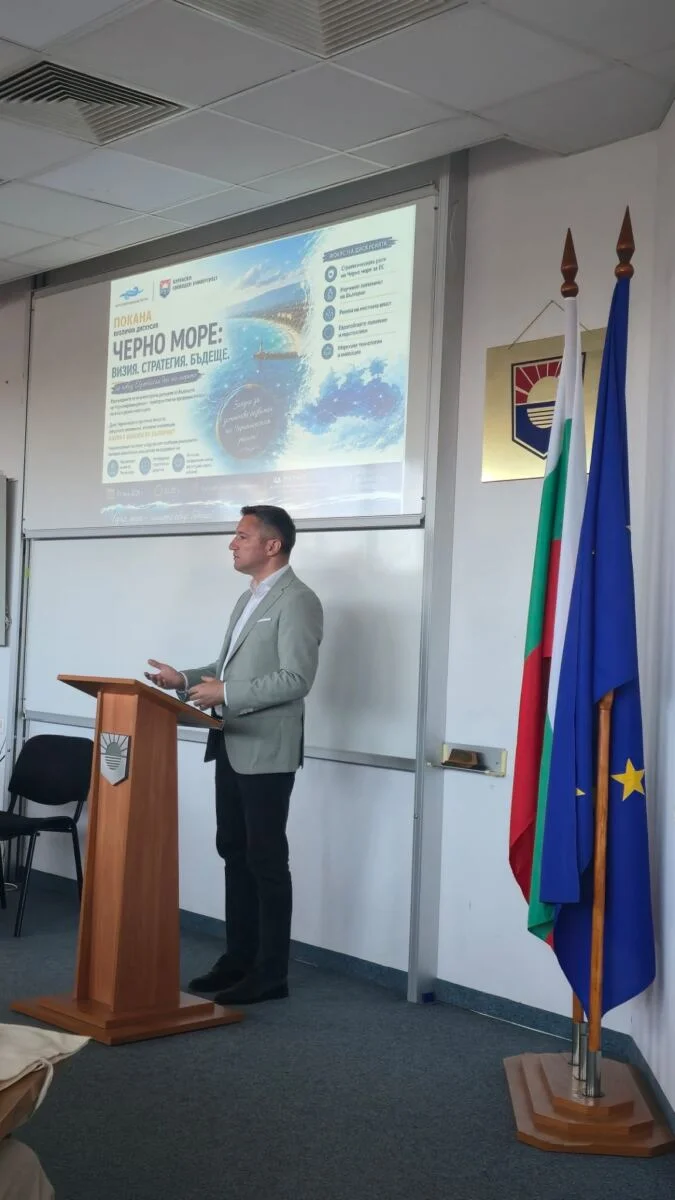
“The Black Sea region must take a much more visible place in the European Union’s strategic policies and investment priorities.” This was stated by Bulgarian MEP Kristian Vigenin from the Group of the Progressive Alliance of Socialists and Democrats in the European Parliament during the public discussion “Strategic approaches to the development of the Black Sea region and Bulgaria’s national vision for the Black Sea”, held at Burgas Free University.
The Black Sea Institute forum
The forum was organised by the Black Sea Institute and Burgas Free University under the patronage of the Regional Governor of Burgas, Diko Gradev, and brought together representatives of European and national institutions, local government, academia and business. Participants included the Rector of Burgas Free University, Prof. Milen Baltov; the Chair of the Black Sea Institute, Assoc. Prof. Marusya Lyubcheva; the Secretary General of the Bulgarian Industrial Capital Association and member of the European Economic and Social Committee, Assoc. Prof. Milena Angelova; the Director of the Fridtjof Nansen Institute of Oceanology, Prof. Valentina Todorova; the Mayor of Tsarevo, Marin Kirov; the Regional Governors of Varna, Mario Smarkov, and of Dobrich, Ruslan Tomov; and representatives of the scientific community and civil society. The main topics of the discussion were the EU’s new strategic approach to the Black Sea, connectivity, security, the blue economy, environmental sustainability, research and the formulation of a national vision for the development of the region.
In his speech, Vigenin stressed that the Black Sea should not be seen only as a regional topic, but as an integral part of key European policies on transport, energy security, water resilience, enlargement, education and the EU’s next Multiannual Financial Framework.
The changing place of the Black Sea
The MEP highlighted the changing place of the Black Sea in European policy. In his view, Bulgaria and the other countries in the region must stop presenting the Black Sea as a periphery or border region of the European Union. “We are not an end point but a crossroads in the new transport realities between the Baltic and the Aegean, between the Danube and the Mediterranean, between Ukraine, the Caucasus and Central Asia and the EU’s internal market,” he stressed. In his words, as the European integration of Ukraine and Moldova advances, the Black Sea is gradually ceasing to be an external border of the European Union and is becoming a future internal space of the Union. “If Ukraine and Moldova are moving towards membership, then infrastructure towards them is no longer aid to neighbours, but an advance investment in the EU’s future internal market,” Vigenin pointed out.
In the context of the EU’s new understanding of water as a strategic resource, Vigenin proposed a new initiative, “Danube – Black Sea: clean water from the river to the sea”, to bring together the countries along the Danube and in the Black Sea basin around joint action to reduce pollution, modernise treatment infrastructure and protect the marine environment. In his view, the Black Sea and the Danube should be seen as one connected system, and EU water policy should not stop at rivers and reservoirs. “If we want to think strategically, we have to think from the source to the sea,” he stressed.
With negotiations on the EU’s next Multiannual Financial Framework for 2028-2034 under way, Vigenin believes that Bulgaria should actively push for the Black Sea region to be treated as one of the main areas for investment over the next decade, with concrete programmes, infrastructure corridors and investment instruments.
Opportunities for Bulgaria
Among the key opportunities for Bulgaria, the MEP highlighted the new European Baltic Sea – Black Sea – Aegean Sea transport corridor. In his view, this route changes the geopolitical map of Europe and gives Bulgaria a chance to turn from a periphery into a strategic crossroads between Northern and Southern Europe, and between the Danube region, the Black Sea basin and the Mediterranean.
Vigenin also stressed the need for closer cooperation between universities, schools, research institutes, local authorities and civil society organisations in the Black Sea region. In his view, only through joint efforts can the region successfully make the case to the European institutions for more attention, investment and support for the Black Sea.
The role of Burgas and Varna
In conclusion, the MEP argued that Burgas and Varna should be positioned as green and secure ports of the European Union. In his view, future investment should go to modern logistics, rail connectivity, digitalisation, energy efficiency and dual-use infrastructure that both supports economic development and strengthens the region’s security.
More
News
18/10/2026