18/10/2026
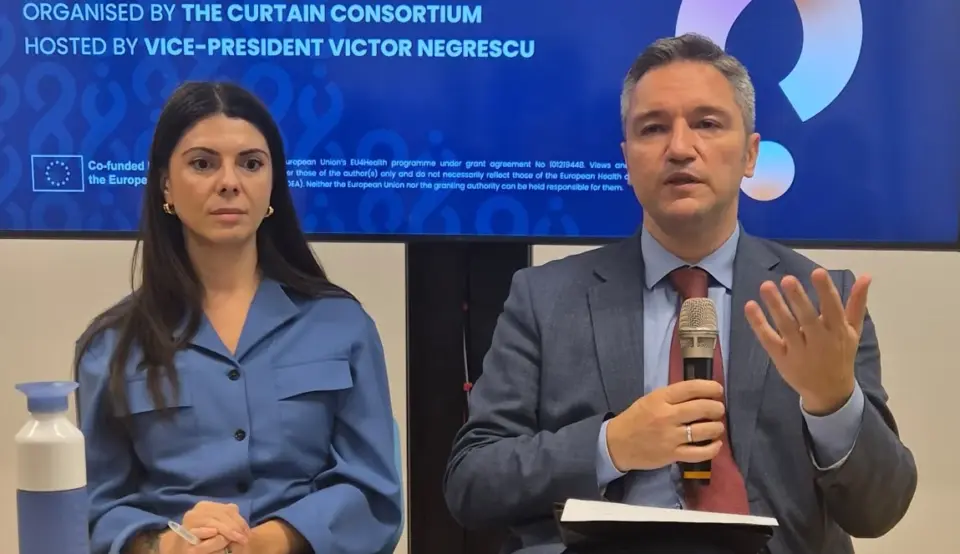
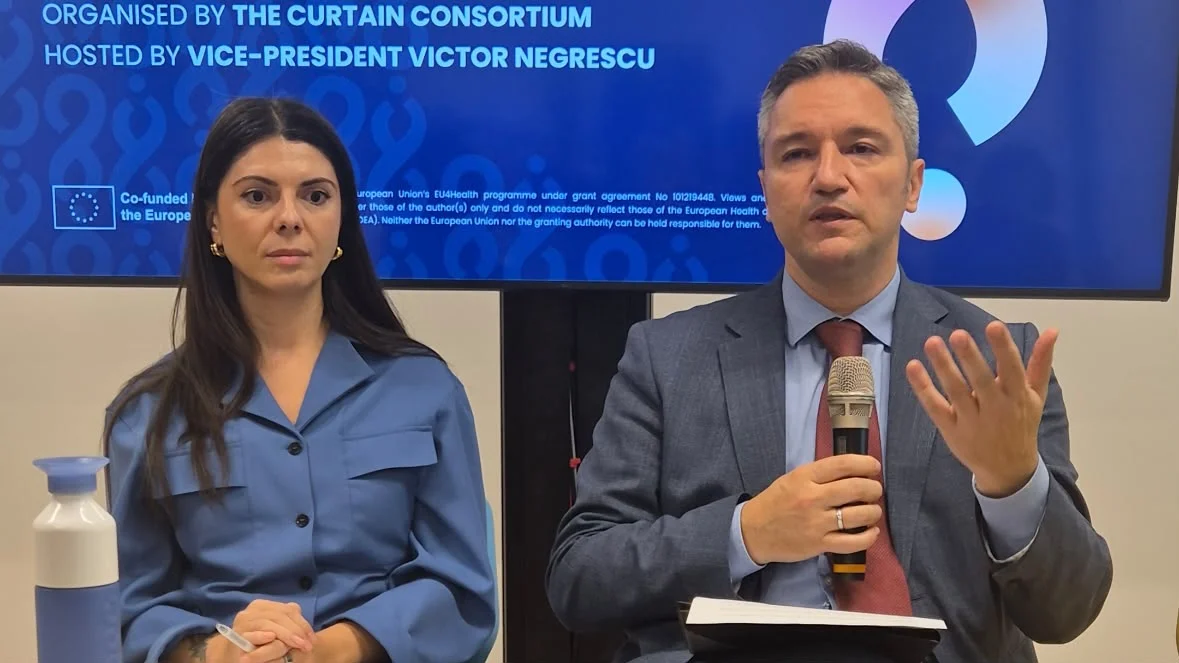
Kristian Vigenin: Treatment of mental and neurological disorders should not depend on where we live
18/10/2026Kristian Vigenin: Treatment of mental and neurological disorders should not depend on where we live
18/10/2026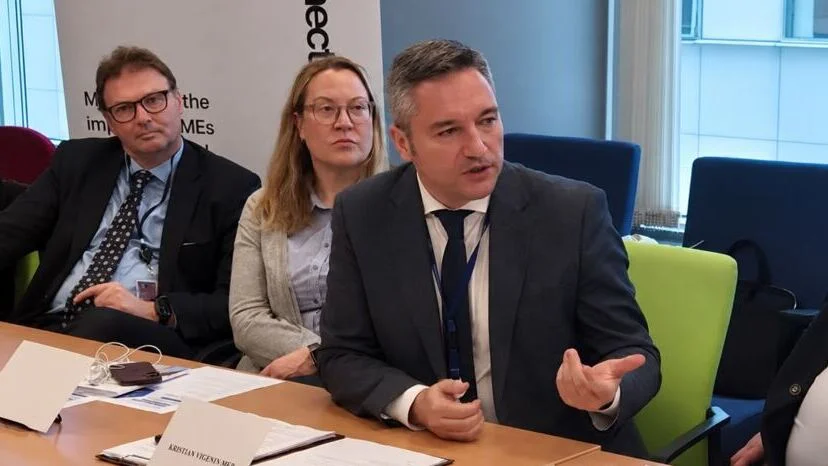
Kristian Vigenin: New technologies make it possible to personalise not only treatment but also disease prevention
The MEP called for new technologies and modern prevention methods to be accessible to all citizens
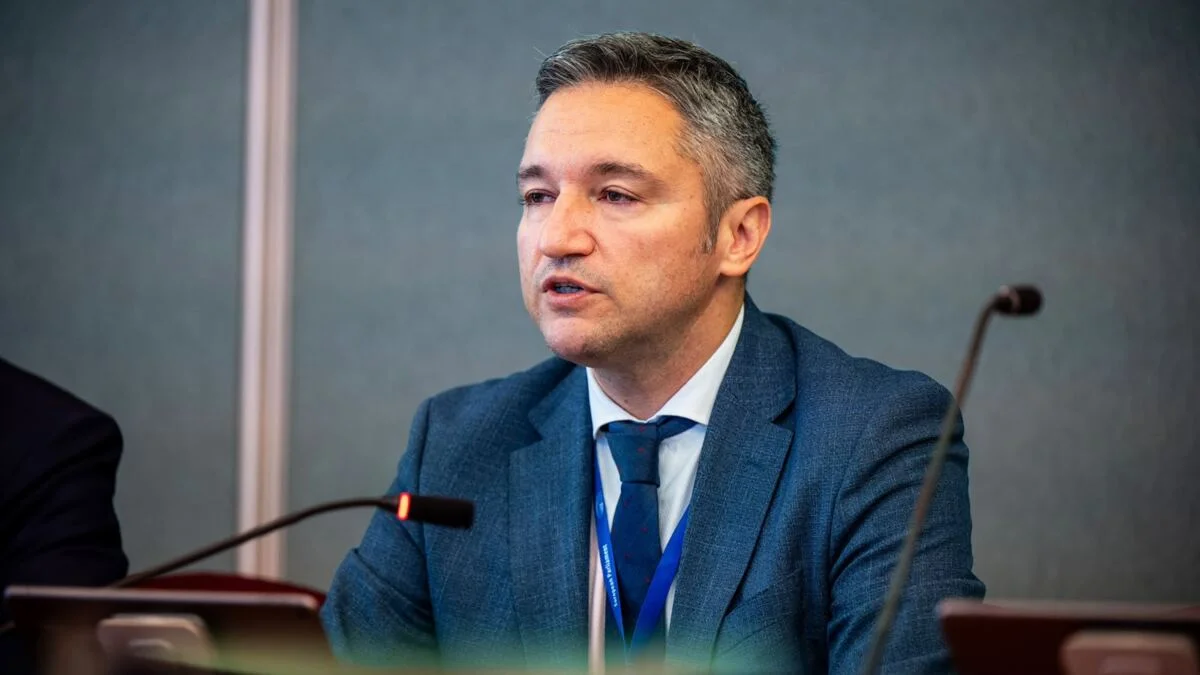
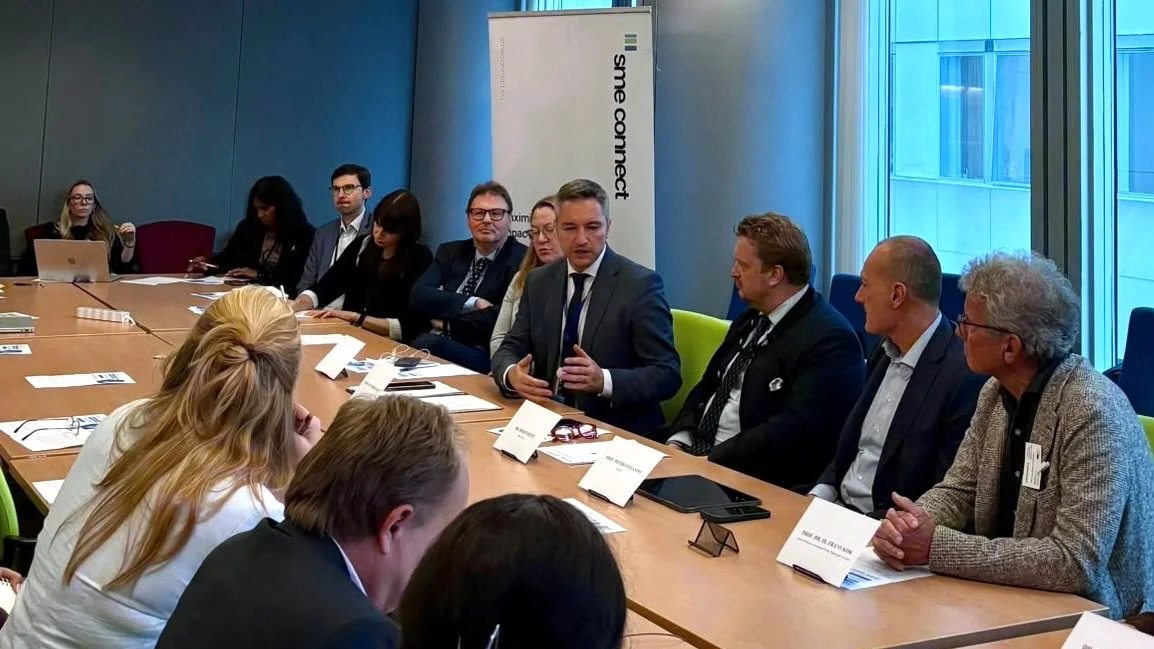
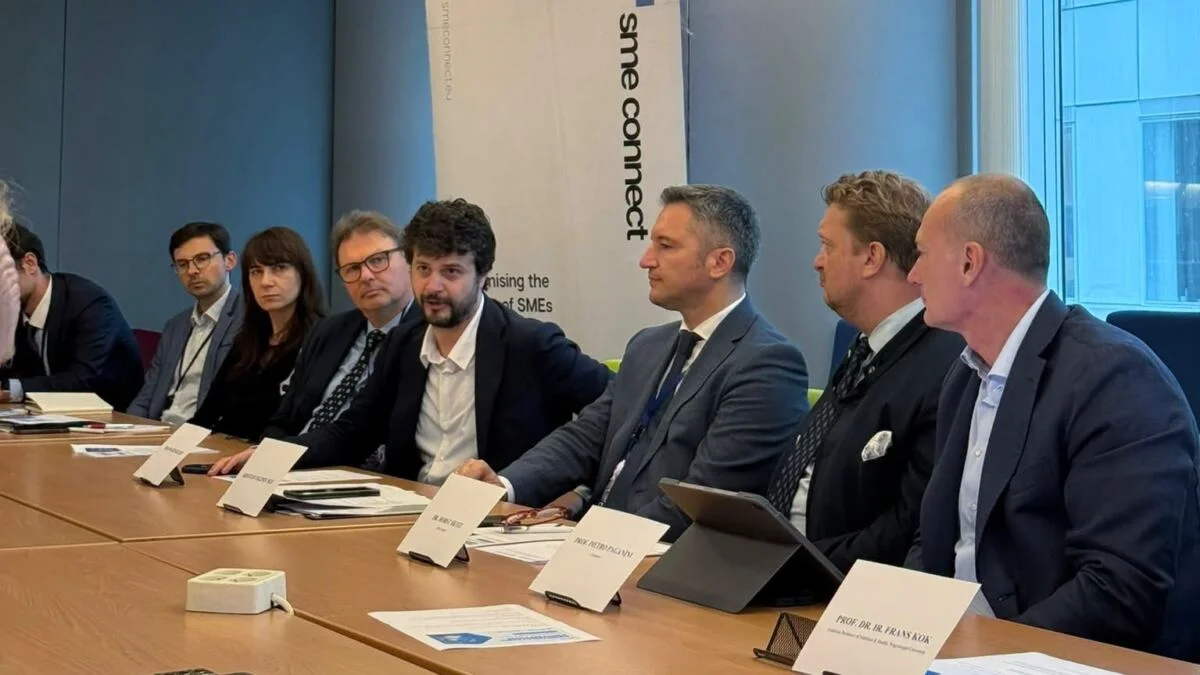
“Europe has made significant progress in extending human life. The next challenge before us is to help people live longer, and in good health.” This was stated by Bulgarian MEP Kristian Vigenin from the Group of the Socialists and Democrats in the European Parliament during a discussion on personalised prevention and the possibilities for preventing disease. The MEP hosted the event, organised by SME Connect and Competere, giving the welcome address at the opening and the closing remarks at the end. In his view, health systems have for too long focused mainly on treatment once diseases have already appeared, rather than on preventing them.
Cardiovascular disease and the role of prevention
Vigenin drew attention to cardiovascular disease, which remains the leading cause of death in the European Union. Every year it claims the lives of around 1.7 million people and leads to economic costs and losses of more than 282 billion euros. Added to this are obesity, diabetes and other chronic diseases, which put further strain on health systems. “These problems cannot be solved by treatment alone. Europe must invest more consistently in prevention, early diagnosis and creating conditions that allow people to lead healthier lives,” the MEP stressed.
Personalised prevention and new technologies
According to Vigenin, progress in medical research, digital health and artificial intelligence offers new opportunities for detecting health risks earlier. He noted that every person has different biological characteristics, lifestyle and genetic predispositions, which is why prevention must also take individual needs into account. “The aim is not to give up universal public health policies, which remain necessary, but to make prevention more targeted, appropriate and effective,” he said.
The MEP also highlighted European initiatives in this area, including the European Commission’s plan for cardiovascular health (Safe Hearts Plan), which focuses on prevention, early diagnosis and the use of new technologies. Vigenin also pointed to the importance of the European Health Data Space, which can help advance scientific research and make better use of health information.
At the same time, he warned that the new opportunities must not become a privilege only for those who can afford them. “Personalised prevention must be accessible in terms of both services and price, and must not become a privilege only for those who can pay for it.” Vigenin also stressed the need to protect sensitive health data, as well as transparency and trust in new technologies. “New technologies must serve people, not the other way round,” he added.
The participants in the discussion
The discussion, moderated by Horst Heitz, Chair of the SME Connect Steering Committee, brought together representatives of the scientific community, healthcare and the technology sector. Prof. Pietro Paganini, President of Competere, presented the topic “From population-wide approaches to personalised prevention”. The panel discussion that followed featured Prof. Frans Kok, Professor Emeritus of Nutrition and Health at Wageningen University, Dr Anayansi Masis-Vargas, a specialist in nutrition, physiology and neuroscience, Vincenzo Renda, Director for Digital Transformation Policy at DIGITALEUROPE, Yelena Malinina, Director for Innovation and Digital Health at COCIR, and Marco Marsella, Director for Digital, EU4Health and Health Systems Modernisation at the European Commission’s Directorate-General for Health and Food Safety (DG SANTE).
As a Member of the European Parliament, Vigenin expressed his readiness to work for closer cooperation between European institutions, medical professionals, researchers and businesses, so that scientific achievements lead to real improvements in people’s health.
“Our success will not be measured only by the technologies we develop or the scientific achievements we make. It will be measured by whether more Europeans can avoid preventable diseases, enjoy better health and live longer, healthier lives,” the MEP concluded.
More
News
17/10/2026