Vigenin: Health literacy is key to reducing inequalities in cancer
17/10/2026
Kristian Vigenin: New technologies make it possible to personalise not only treatment but also disease prevention
19/10/2026
Vigenin: Health literacy is key to reducing inequalities in cancer
17/10/2026
Kristian Vigenin: New technologies make it possible to personalise not only treatment but also disease prevention
19/10/2026
Kristian Vigenin: Treatment of mental and neurological disorders should not depend on where we live

Kristian Vigenin: Treatment of mental and neurological disorders should not depend on where we live

The MEP called for more support for the families of patients and for more serious investment in healthcare

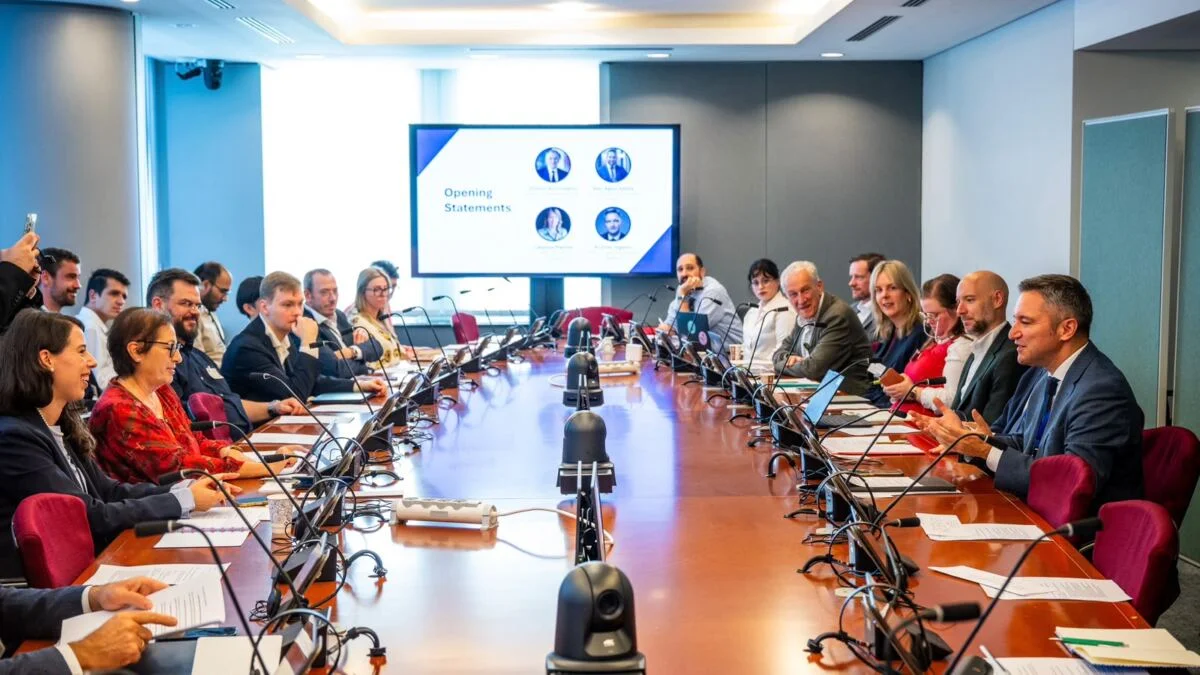
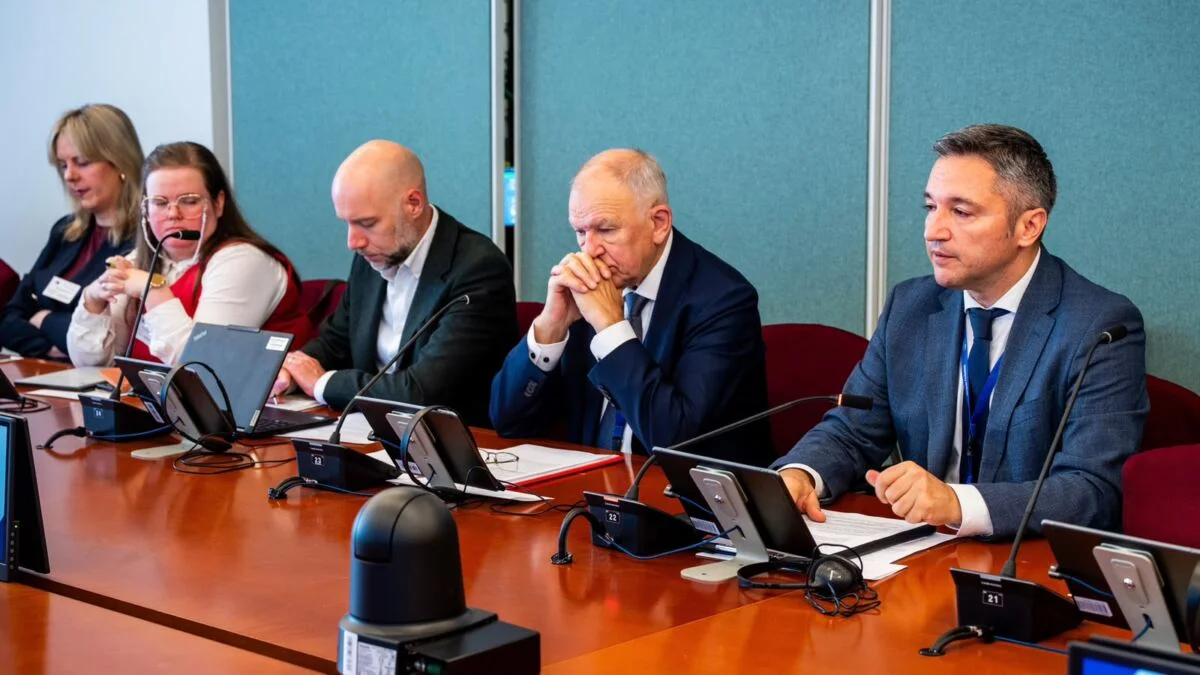
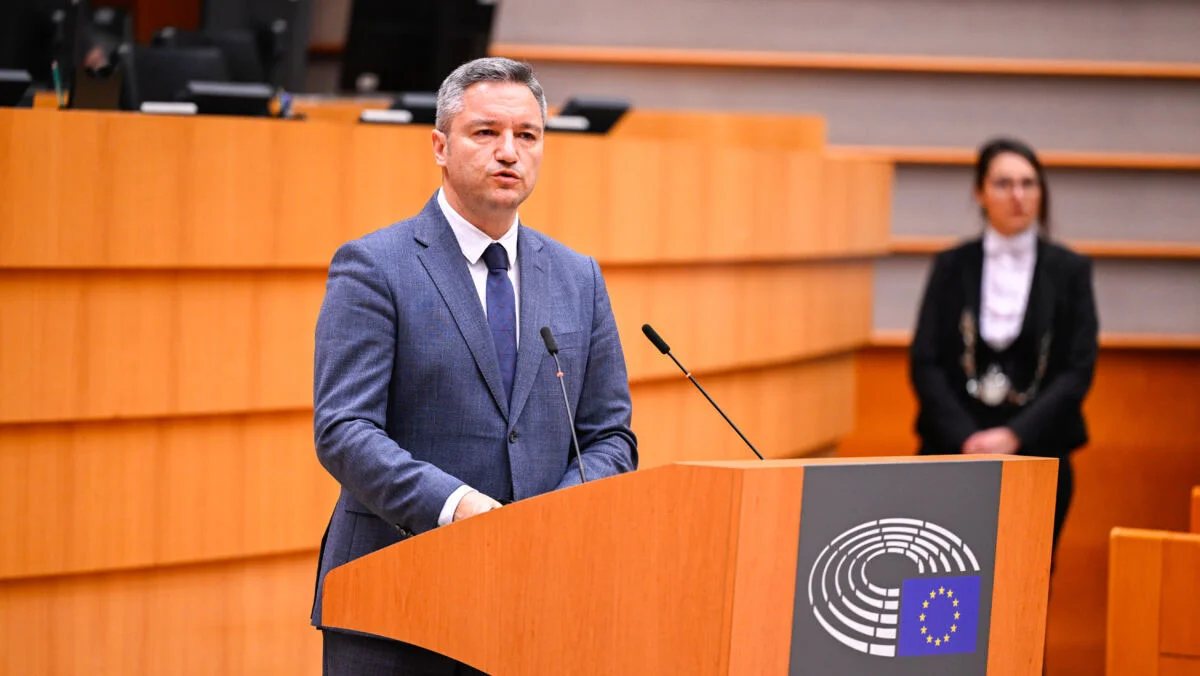
“We must not allow a two-speed Europe when it comes to care for people with neurological and mental disorders. For patients with Alzheimer’s, Parkinson’s or severe mental illness, the country they live in can make a huge difference.” This was stated by Bulgarian MEP Kristian Vigenin from the Group of the Socialists and Democrats in the European Parliament during a discussion on neurological and mental health. The event was organised by Greek MEP Nikos Papandreou, and the discussion was also attended by MEPs Vytenis Andriukaitis from Lithuania, former European Commissioner for Health, and Alex Agius Saliba from Malta.

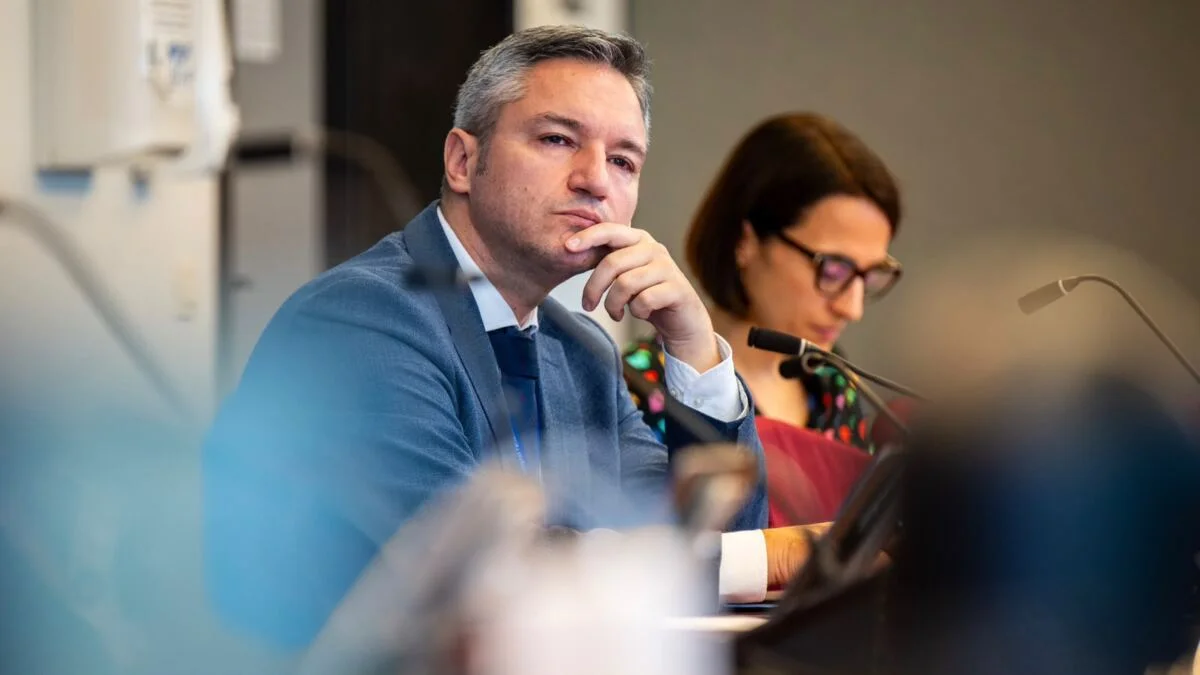
Vigenin, who is a member of the Intergroup on Brain Health and Neurological Diseases and of the European Alzheimer’s Alliance, drew attention to the common problems faced by patients and their families.

According to the MEP, late diagnosis, difficult access to specialised medical care, the shortage of medical professionals and insufficient support for families and carers are problems that cut across both areas. He pointed to the inequalities between member states: in some countries patients have access to specialised teams, modern diagnostic technologies and comprehensive support services, while in others even getting an early diagnosis is a long and difficult process. These differences are particularly visible in Central and Eastern Europe, including Bulgaria. “The shortage of medical staff, regional disparities and limited access to specialised services create additional barriers. On top of that there is the social stigma that still exists in places,” the MEP said.

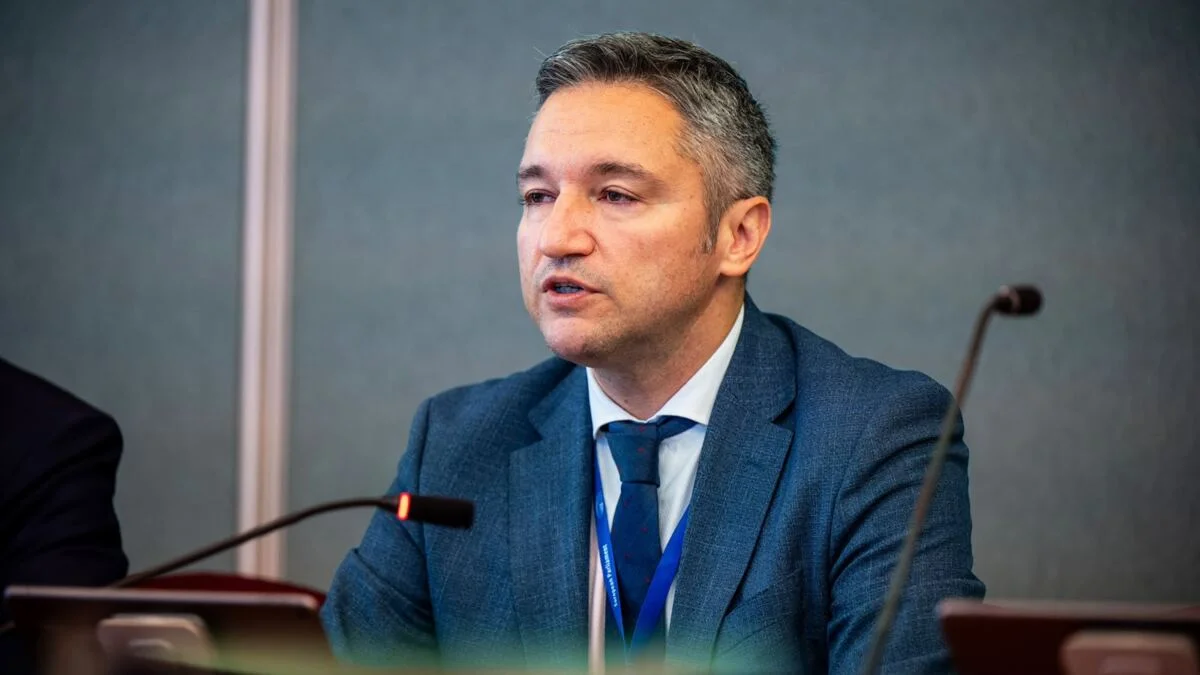
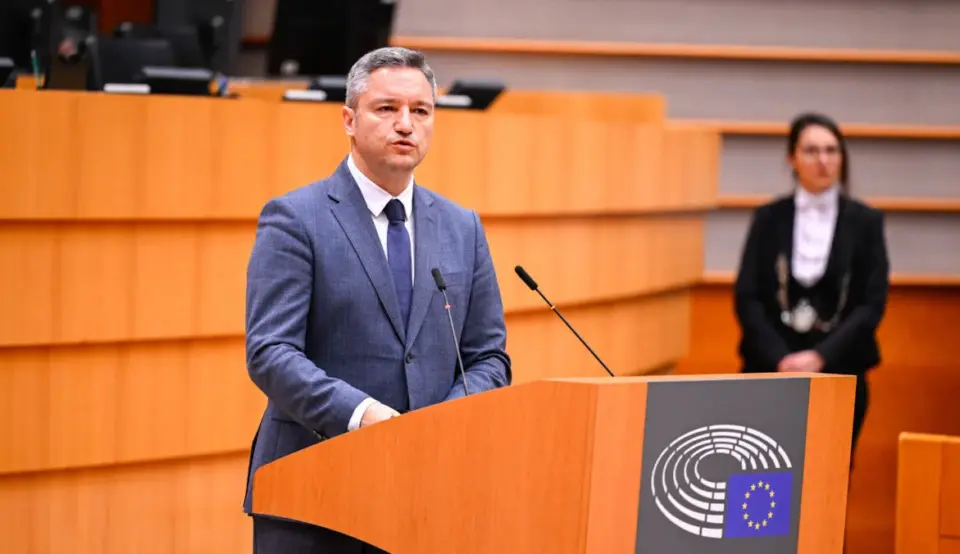
Kristian Vigenin: Treatment of mental and neurological disorders should not depend on where we live - photo 2

Care after diagnosis and the role of families

Vigenin pointed out that care does not end with the diagnosis, as conditions such as Alzheimer’s and Parkinson’s often require years of medical, psychological and social support. He also noted that with Alzheimer’s the burden falls not only on the patient but also on their relatives, who are often forced to cut their working hours or leave their jobs to care for a sick family member. Families of people with severe mental illness face similar difficulties. “We cannot go on treating this contribution as an invisible part of our health systems,” he stressed.

The MEP also pointed to the role of the European Union: “Healthcare remains primarily the responsibility of individual countries, but that should not stop us from doing much more together at European level.”

New technologies must be accessible to everyone

New technologies also have an important role to play, Vigenin added. Progress in early diagnosis, digital health technologies and more personalised treatments can radically improve patients’ lives. Their benefit, however, depends on how accessible they are to people. “If a new diagnostic method or treatment remains available only in the richest member states, we risk deepening the very inequalities we are trying to overcome.”

Common principles for the neurological and mental health strategies

In his view, the two European Parliament reports now being prepared, on a European Strategy for Neurological Health and a Mental Health Strategy, should have their own separate objectives but also rest on common principles.

Vigenin highlighted three important principles: early and equal access to diagnosis and treatment; continuity of care that links health and social support; and greater recognition of the needs of families and relatives who care for the sick.

Healthcare in the EU’s long-term budget

As another key point, Vigenin pointed to the next long-term budget of the European Union, which must ensure that healthcare is not pushed aside in favour of other priorities. “We cannot talk seriously about sustainability, competitiveness and demographic change without investing in the health and well-being of our citizens,” the MEP said. In his view, every person with a neurological or mental disorder should have an equal chance of receiving timely, quality medical care, wherever in Europe they live.