
Vigenin: Europe must not wait for the next health crisis to act
07/09/2026
Vigenin: Artificial intelligence already affects not only our data, but also our decisions
11/09/2026
Vigenin: Europe must not wait for the next health crisis to act
07/09/2026
Vigenin: Artificial intelligence already affects not only our data, but also our decisions
11/09/2026
Vigenin: Decarbonisation rules threaten the ceramics industry

Vigenin: Decarbonisation rules threaten the ceramics industry

In Bulgaria, the sector provides over 4,000 direct jobs and around 5,000 additional ones

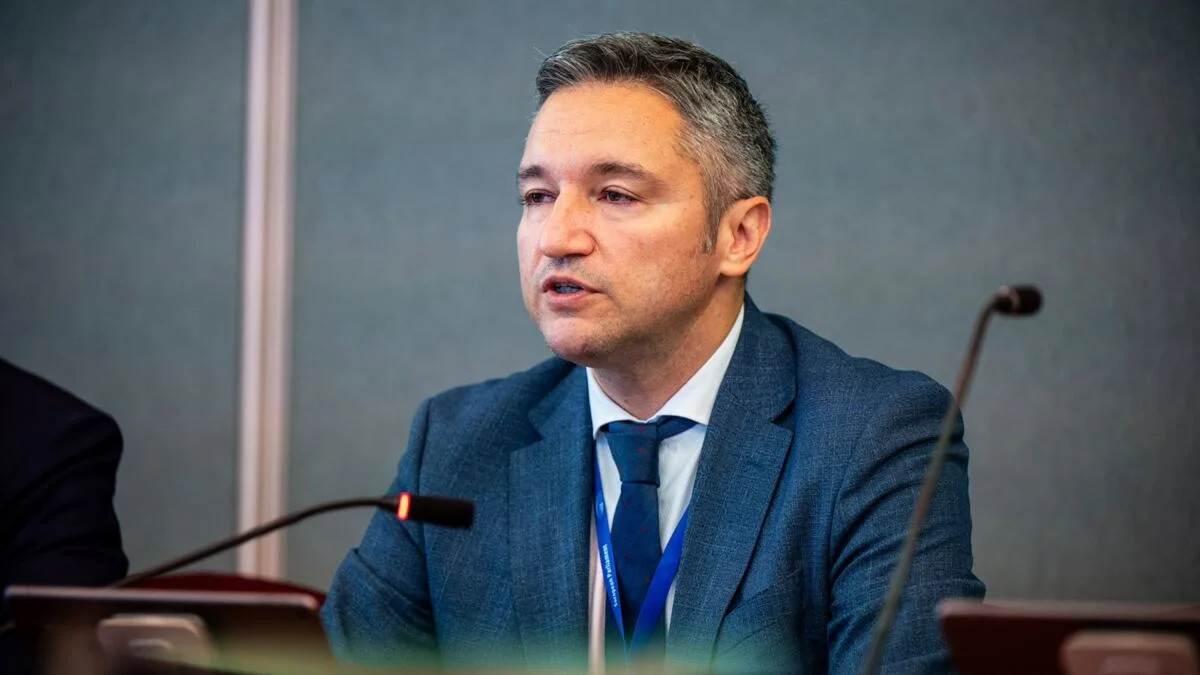
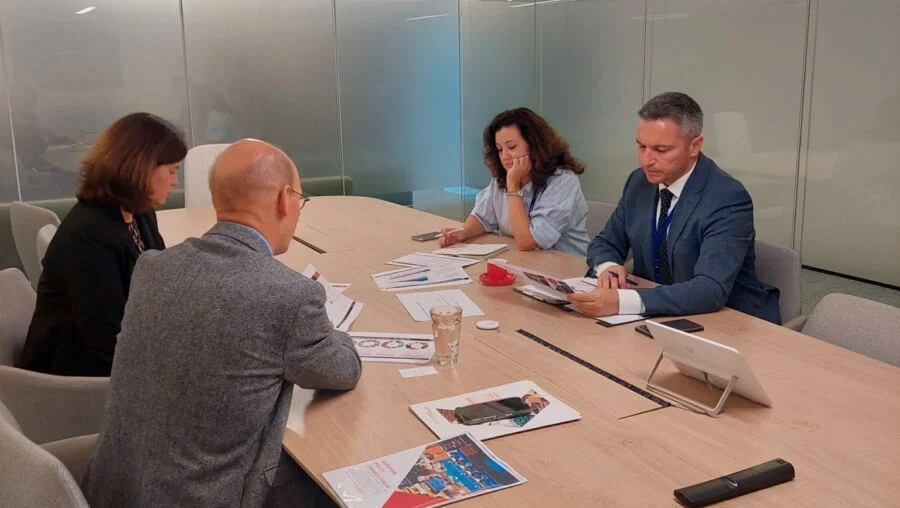
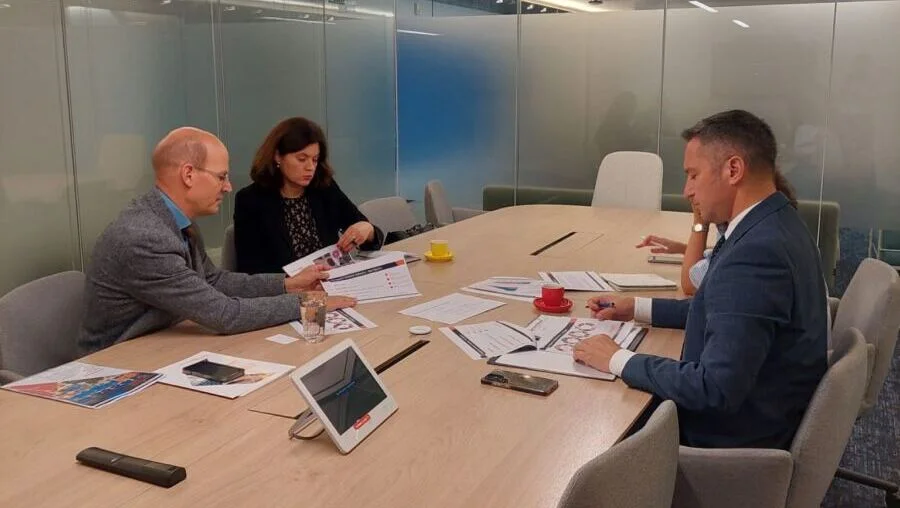
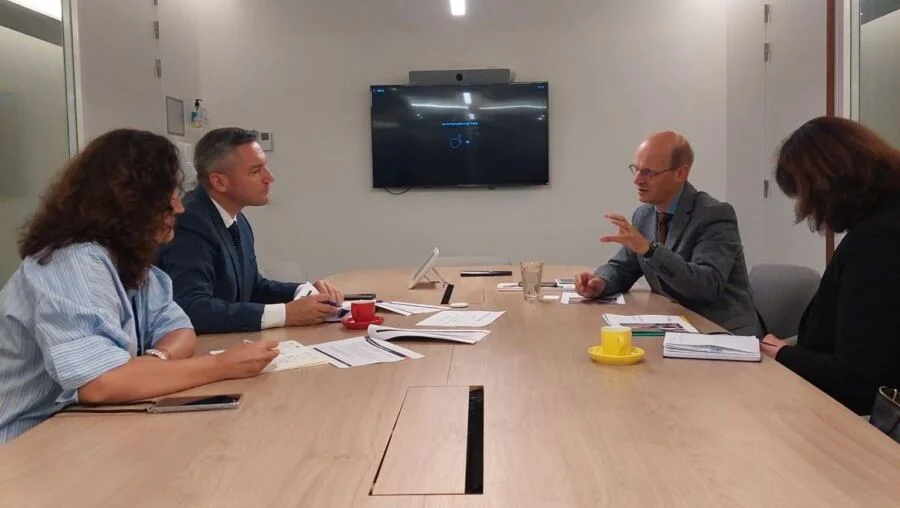
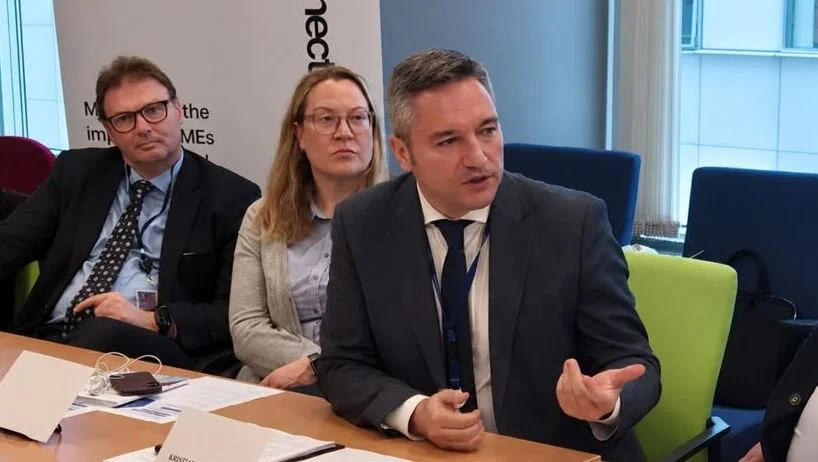
“Decarbonisation must go hand in hand with preserving Europe’s industrial base. If benchmark values run ahead of what a sector can achieve technologically, the result may be not faster decarbonisation but a loss of production and investment in the EU.” This was said by Kristian Vigenin, Bulgarian MEP from the Group of the Progressive Alliance of Socialists and Democrats, after a meeting in the European Parliament with Renaud Batier, Director General of Cerame-Unie, the European Ceramic Industry Association.

The meeting discussed the EU Emissions Trading System (ETS) and its impact on the competitiveness of the ceramics sector.

The ceramics industry in Bulgaria

“The ceramics industry has an important place in Bulgaria’s industrial base. More than 70% of ceramics production capacity in South-East Europe is in Bulgaria. The sector provides over 4,000 direct jobs and around 5,000 additional ones linked to suppliers and related industries. The country has 5 ceramic tile plants and 2 sanitaryware plants,” the MEP noted during the meeting.

The dispute over the benchmarks

Cerame-Unie disputes the update of the ETS benchmarks for the free allocation of allowances for 2026-2030. According to the association, the planned reduction in benchmark values is around 34% compared with 2025 and does not reflect the real technological options for decarbonising the ceramics sector.

“The ceramics industry is already under serious pressure from high energy prices and international competition. Europe’s climate targets must take into account the industry’s real technological capabilities, so that the transition does not push production and investment out of the EU,” Vigenin stressed.

In his view, the upcoming discussions must strike the right balance between the decarbonisation targets and Europe’s need to keep its industrial base and competitiveness.