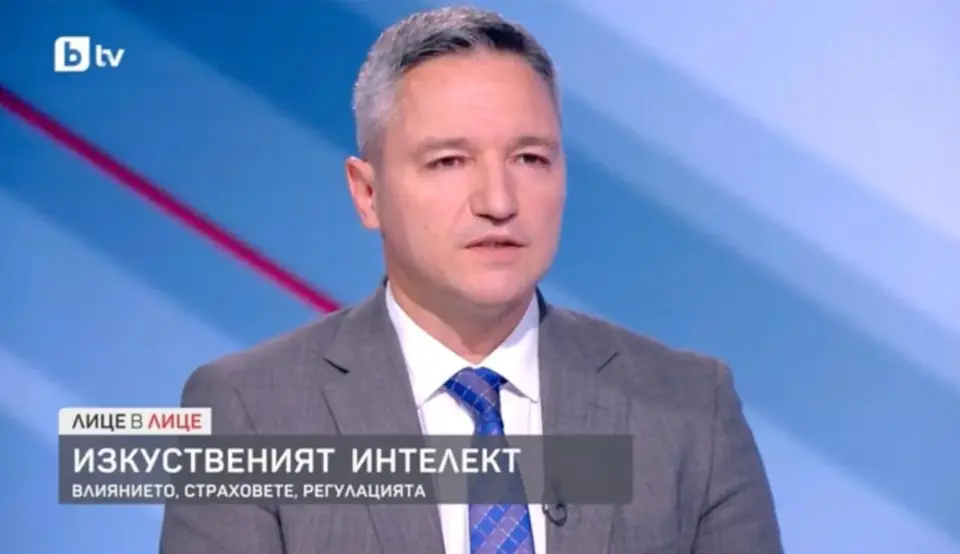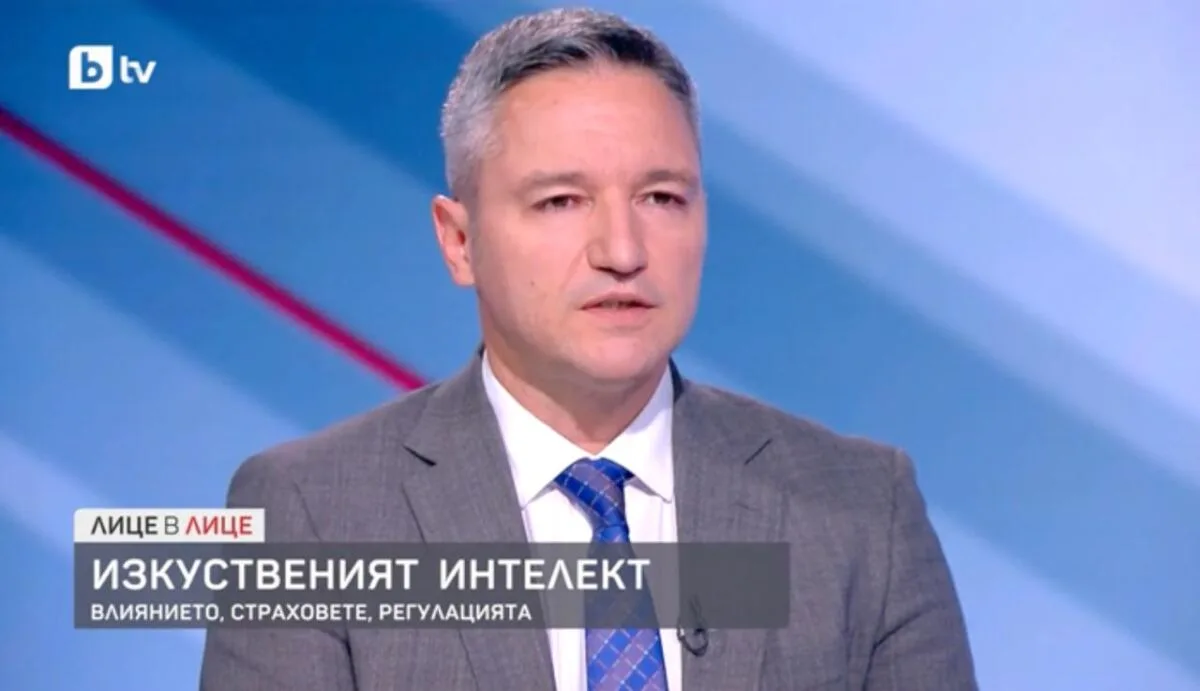
The European Parliament approved safeguards to protect citizens in the use of artificial intelligence
04/06/2026
Vigenin: Europe must invest more in health innovation if it wants to stay competitive
06/06/2026
The European Parliament approved safeguards to protect citizens in the use of artificial intelligence
04/06/2026
Vigenin: Europe must invest more in health innovation if it wants to stay competitive
06/06/2026
Vigenin: We reached an agreement on less bureaucracy and stronger support for European businesses

Vigenin: We reached an agreement on less bureaucracy and stronger support for European businesses

The final trilogue on Omnibus IV reached a solution that supports the growth of European companies and keeps special support for small and medium-sized enterprises

The European Parliament, the Council of the EU and the European Commission reached an agreement in the final trilogue on the directive easing the administrative burden on small and medium-sized enterprises and small mid-cap companies. The legislative act is part of the so-called Omnibus IV, a package of European Commission proposals aimed at simplifying European rules and reducing the administrative burden on business.

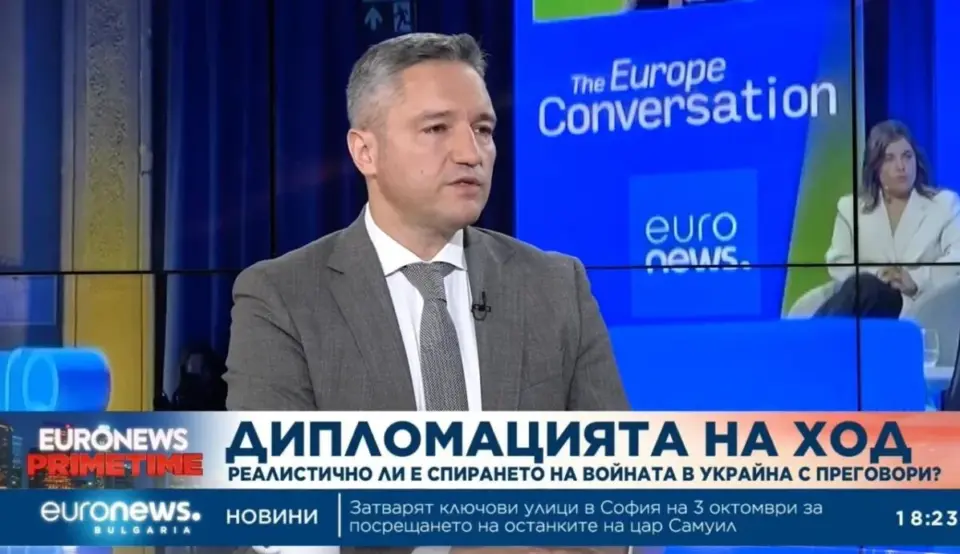
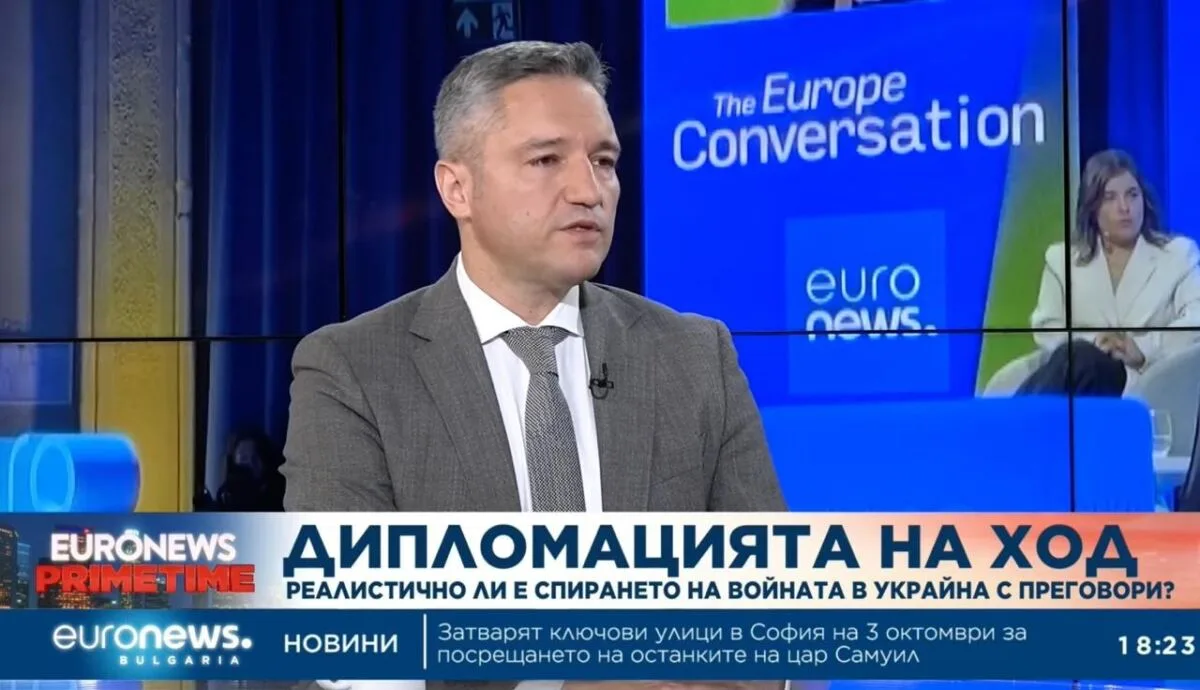
Bulgarian MEP Kristian Vigenin from the Group of the Progressive Alliance of Socialists and Democrats, who is the rapporteur on the file for the European Parliament’s Committee on Civil Liberties, Justice and Home Affairs (LIBE), took an active part in reaching the compromise.

“I worked to find a balanced solution that both supports the growth of European companies and keeps the special support intended for small and medium-sized enterprises,” Vigenin said.

In his words, the agreement reduces the administrative burden on business and makes it easier for more companies to access existing simplifications and support mechanisms. In his view, it is particularly important to create a clear and legally certain framework for so-called small mid-cap companies.

Vigenin thanked his colleagues, the experts and the teams from the three European institutions for their constructive work on the file. “At a time when the competitiveness of the European economy is among our main priorities, every step towards less bureaucracy and a better business environment matters,” he stressed.

The agreement is part of the European Union’s broader efforts to reduce administrative barriers for business, improve the regulatory environment and increase the competitiveness of the European economy.