

19/10/2026
Vigenin: We reached an agreement on less bureaucracy and stronger support for European businesses
05/06/2026
Vigenin: Getting out of the excessive deficit requires fairer taxes, not cuts to incomes
10/06/2026Vigenin: We reached an agreement on less bureaucracy and stronger support for European businesses
05/06/2026Vigenin: Getting out of the excessive deficit requires fairer taxes, not cuts to incomes
10/06/2026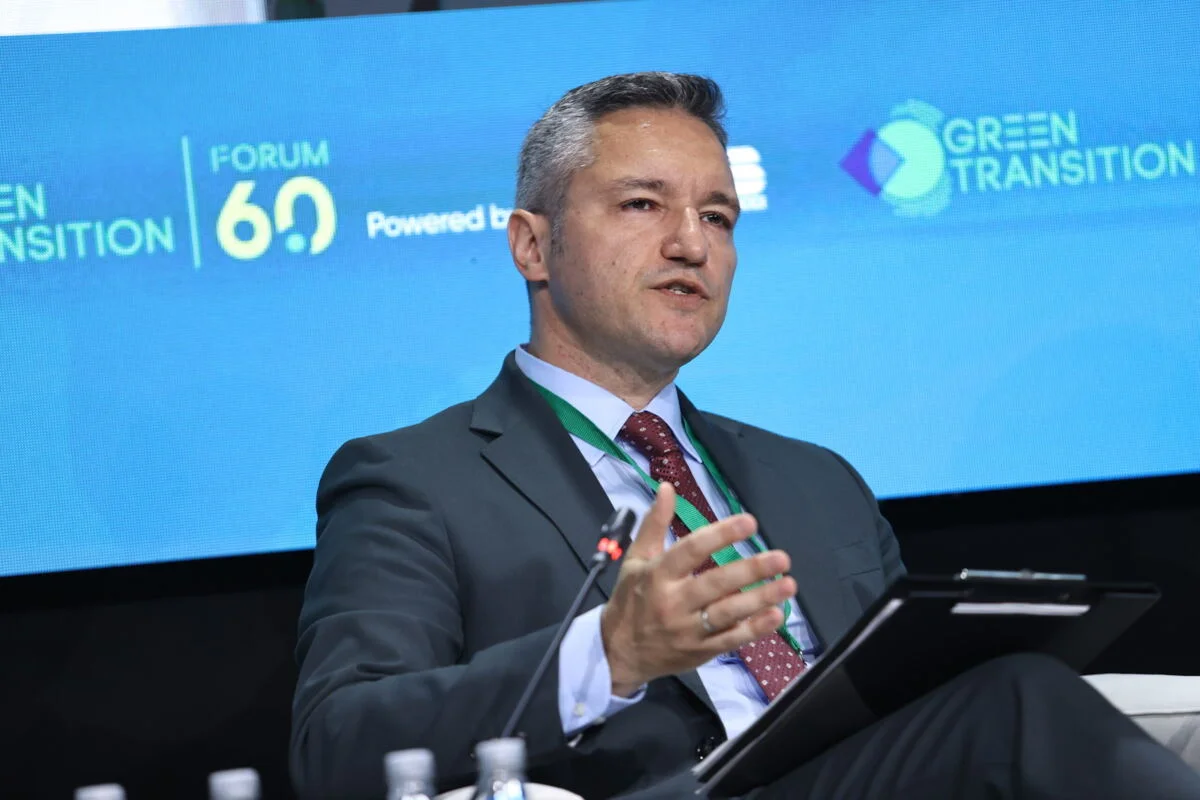
Vigenin: Europe must invest more in health innovation if it wants to stay competitive
The MEP took part in a discussion on the role of health innovation, biotechnology and European investment in healthcare at the Green Transition forum
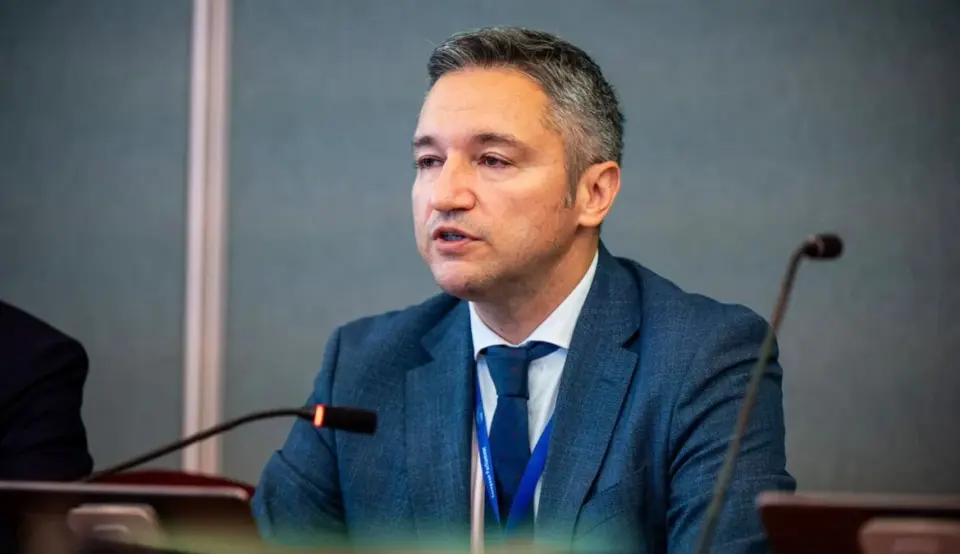
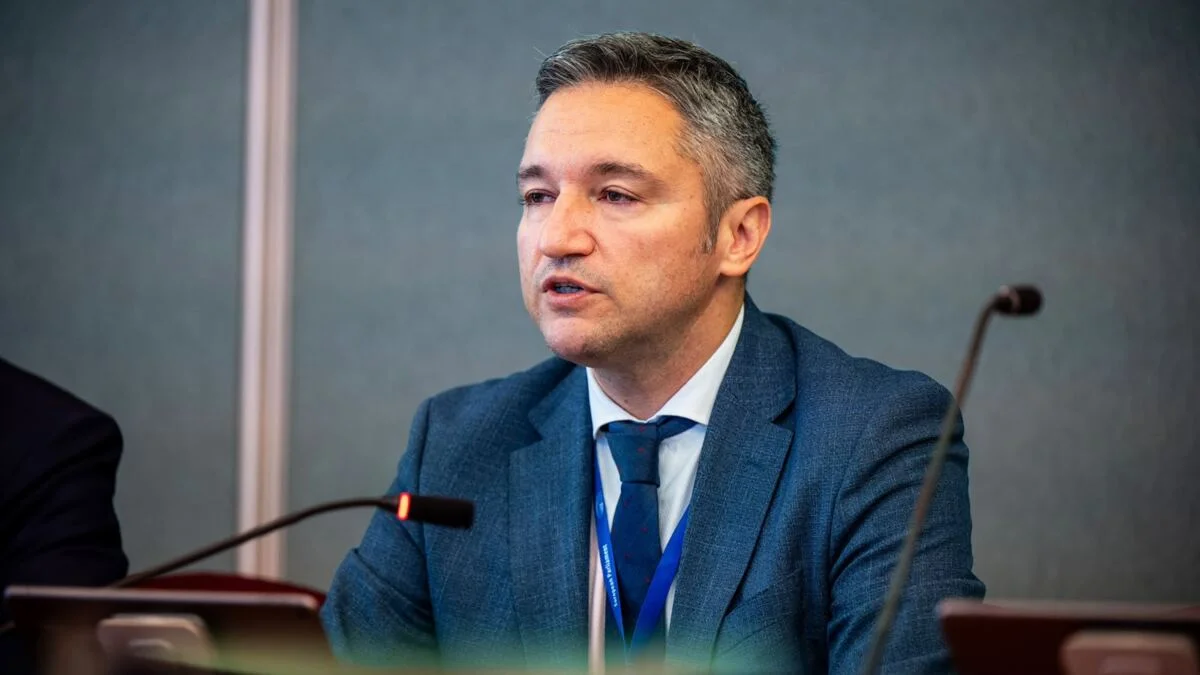
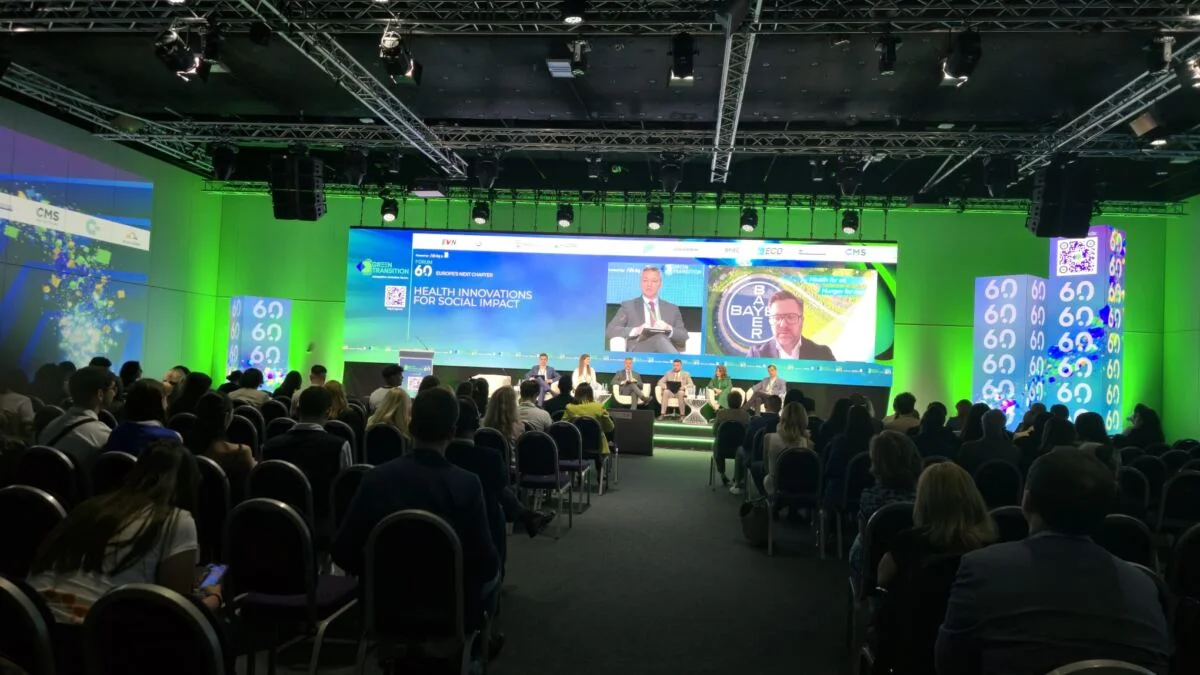
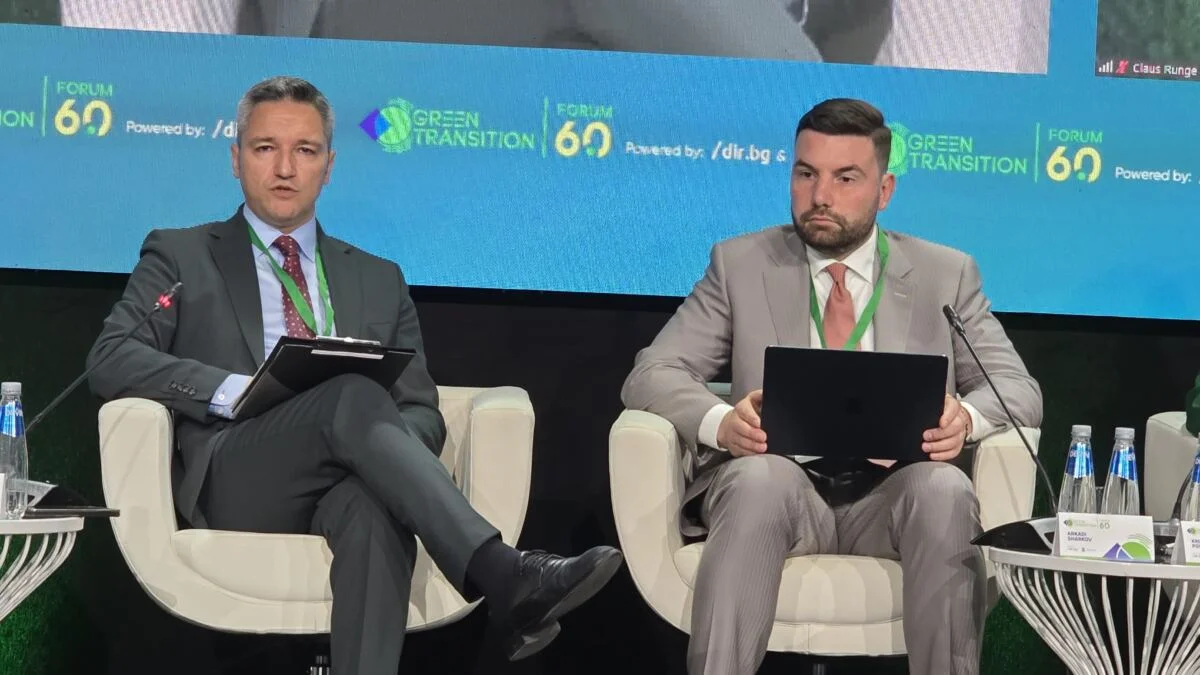
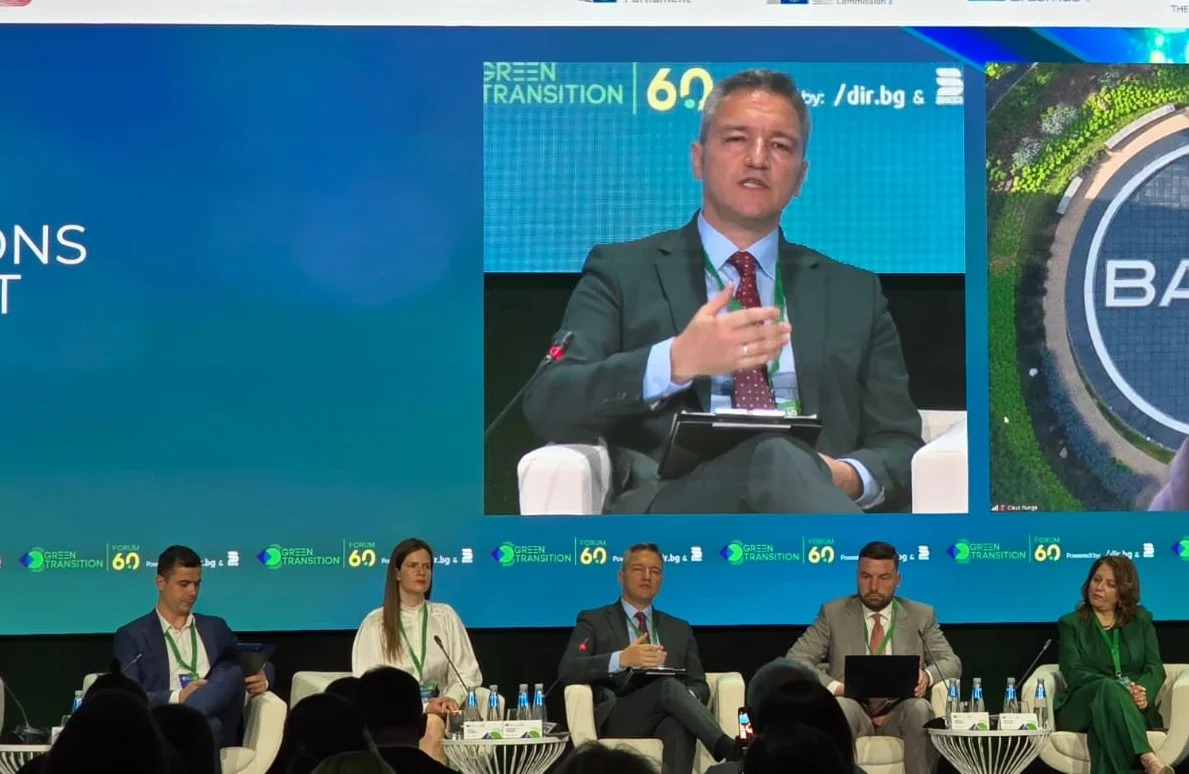
“Health innovation today is much more than a conversation about new technologies or new medicines. It is a conversation about how Europe will guarantee its citizens access to quality healthcare, how it will cope with medicine shortages and how it will stay competitive in an increasingly complex global environment.” This was stated by Bulgarian MEP Kristian Vigenin from the Group of the Progressive Alliance of Socialists and Democrats during the panel discussion “Health innovation with a public impact” at the Green Transition forum organised by Dir.bg in Sofia. The event brought together representatives of the European Parliament, leading international companies in the health and pharmaceutical sector, business and experts.
Lessons from the pandemic
In his speech, Vigenin stressed that the pandemic, medicine shortages, disrupted supply chains and growing geopolitical division have changed the way Europe looks at health policy. In his words, access to medicines, research, production capacity, digitalisation and innovation now have a clear European dimension. “Today Europe finds itself between two global powers: the United States and China. Both are investing huge resources in biotechnology, artificial intelligence, genomics and medical innovation. At the same time, Europe has some of the best universities, research institutes and research centres in the world. The problem is that far too often we create the knowledge here, but the investment, production and scaling up of innovation happen elsewhere,” the MEP noted.
In his view, that is exactly why the European Commission has proposed the European Biotech Act, one of the most important legislative packages of the coming years. The aim is for Europe to create the conditions for biotech companies to be founded, grow and stay in Europe, through faster access to finance, a better regulatory environment, stronger links between science and business, faster uptake of innovation and better coordination between Member States. Vigenin also stressed the need for the countries of Central and Eastern Europe to get a real chance to develop their own ecosystems for biotechnology, medical research and health innovation. In his words, biotechnology, the pharmaceutical industry, medical technologies and artificial intelligence in healthcare should be among the fund’s main priorities. “We cannot expect to compete with the United States and China if we invest many times less in research and innovation. In the last ten years alone, the United States has invested around EUR 250 billion in this area, compared with around EUR 30 billion in Europe,” Vigenin noted.
Future European health policy
His speech placed particular emphasis on the future European Competitiveness Fund. As the Socialists and Democrats Group’s rapporteur for the Committee on Public Health opinion, Vigenin said that agreement had been reached on a significant increase in funding for healthcare and related sectors.
The Critical Medicines Act
He also highlighted the importance of the Critical Medicines Act as a tool for strengthening the European Union’s strategic autonomy: “We cannot talk about security if we depend on external suppliers for vital medicines and active ingredients. The aim is to encourage production in Europe, diversify supply chains and ensure that patients are not held hostage to geopolitical or logistical shocks.”
“If everything we wrote in the opinion is implemented, funding for healthcare in the next Multiannual Financial Framework will be over EUR 10 billion, and an additional EUR 5.5 billion will go to competitiveness in health-related sectors,” he said. Kristian Vigenin pointed out that the European Parliament is working to secure ring-fenced funding for healthcare, research and innovation, as the resilience of health systems is now part of European security. “Investment in prevention, innovation and modern health systems is not a cost but an investment in the future,” Vigenin stressed. He said that if the European Parliament’s proposals are adopted, funding for healthcare and related policies could exceed EUR 22 billion. In his view, ambitious European goals in the fight against cancer and cardiovascular disease must be backed by real financial resources, because healthcare remains among European citizens’ top expectations of the European institutions.
Technology that serves patients
Vigenin pointed out that technology only makes sense if it improves people’s lives, helps overcome the shortage of medical professionals, provides timely diagnosis and treatment in remote regions and reduces inequalities in access to healthcare. “The coming years will be decisive for European health policy. Europe must not only react to crises, but create the conditions for turning innovation into real solutions for European citizens,” Kristian Vigenin summed up.
In conclusion, the MEP stressed that Europe’s success in health innovation and biotechnology should not be measured only by the number of patents, new production facilities or technological achievements. “The real criterion will be how many years of healthy life European citizens gain thanks to these investments and innovations,” he said.
More
News
18/10/2026