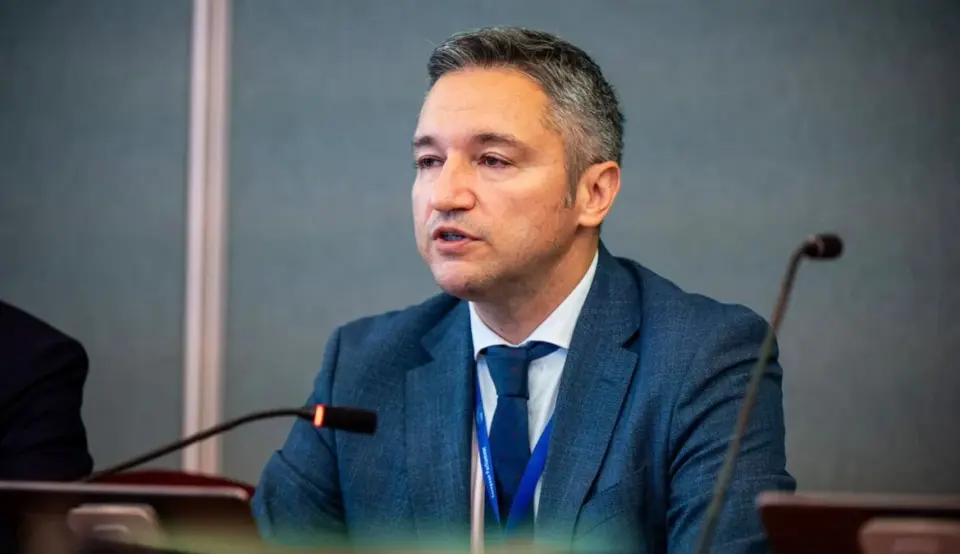
A large proportion of Bulgarians support the country’s membership of the European Union, but that support is not unconditional. It comes with criticism, hesitation and accumulated disappointments. This is shown by the results of a nationally representative sociological survey of public attitudes towards the EU, conducted on the initiative of the Bulgarian MEP from the Group of the Progressive Alliance of Socialists and Democrats in the European Parliament Kristian Vigenin and carried out by the Myara agency.
The survey and its main findings
The survey was carried out between 14 and 24 November 2025 among 1,004 adult citizens and aims to give a real picture of public attitudes towards the European Union on the eve of Bulgaria’s entry into the eurozone.
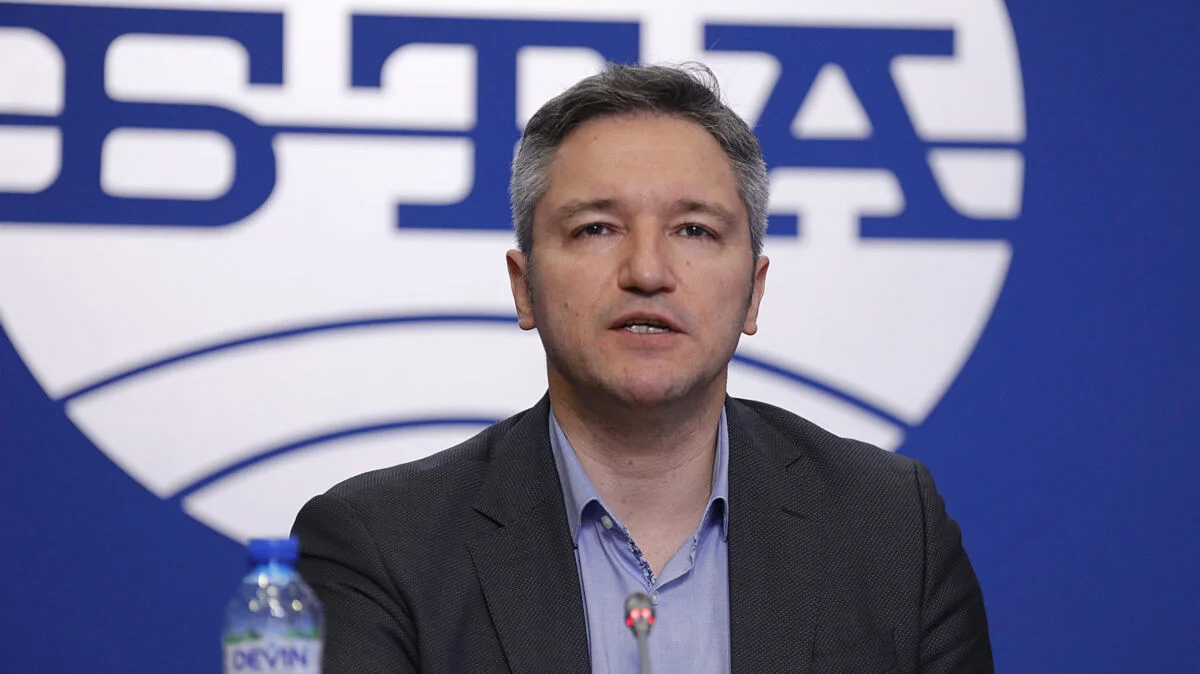
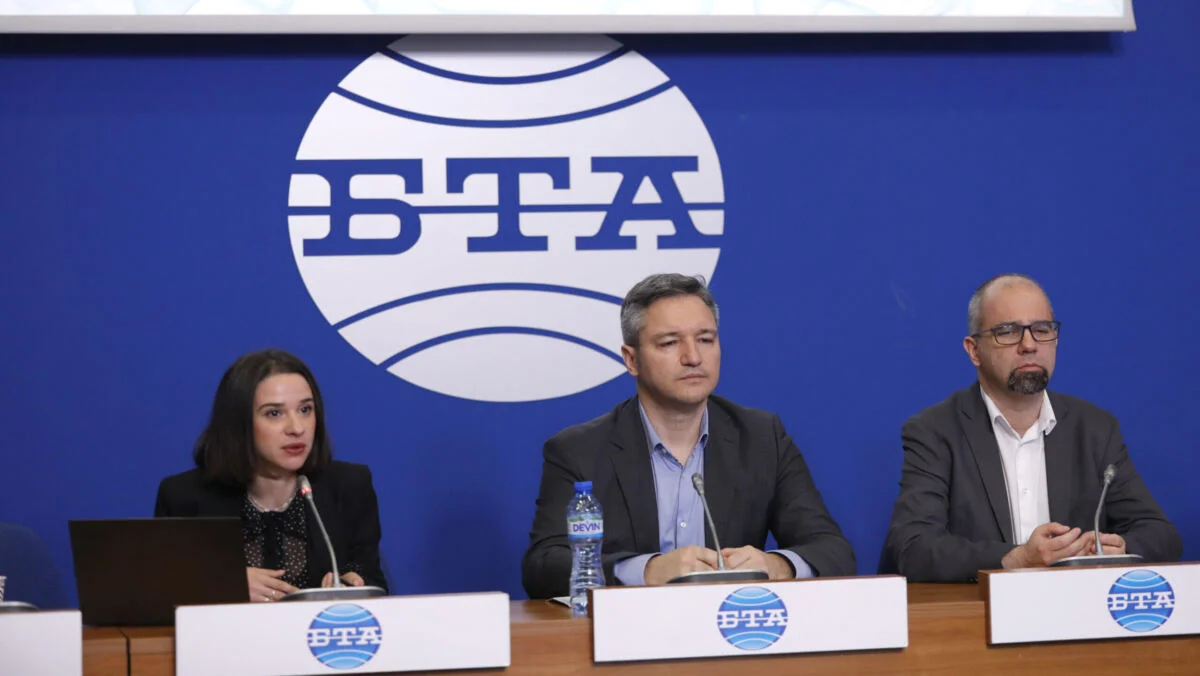
„A great deal is said about Europe in the public space, but far too rarely is there a conversation with people about how they actually perceive it. And without that honest picture, neither rational policies nor serious conclusions can be made“, Kristian Vigenin said at the presentation of the survey.
The data show that more than 55% of Bulgarian citizens have a positive or rather positive attitude towards the EU, and just as many believe that Bulgaria’s membership of the Union is in principle a good thing. At the same time almost 40% have a negative attitude, and one in every three Bulgarians believes that membership has changed the country for the worse.
„This is a clear social signal that politicians must hear“, Vigenin stressed.
Support for the EU, with conditions
The survey shows that support for the EU is not denied, but neither is it unconditional. Bulgarian citizens do not reject Europe as an idea, but ever more often they ask „What kind of Europe? For whom? And at what price?“.
Support for leaving the EU remains a minority position, but the dissatisfaction is real and has clearly expressed social roots.
A generational divide
The data outline a clear generational difference. Among young people aged 18 to 29, support for EU membership exceeds 70%, and rejection of the idea of leaving is categorical. In the older age groups scepticism is stronger and distrust of the European institutions more pronounced.
„Bulgaria’s future in the EU is young, but its present is marked by accumulated disappointments“, Vigenin commented.
The social dimension of euroscepticism
One of the key conclusions of the survey is that euroscepticism in Bulgaria is not ideological but social. The most critical of the EU are people on low incomes, those who barely make ends meet, and socially vulnerable groups.
„When Europe is not felt in everyday life, it is rejected. This is not a problem of the people but of the policies, both national and European“, the MEP said.
An information deficit
The survey records a serious deficit of information about EU policies. More than 50% of Bulgarians say they do not receive enough information, and only one third believe they are well informed. This leads to low recognition of the European institutions and of the Bulgarian representatives in the European Parliament, more than half of the respondents cannot name a single Bulgarian MEP.
Political conclusions
In Kristian Vigenin’s view the data lead to several clear political conclusions:
- European policy cannot be an elite conversation conducted far from people;
- the social dimension of the EU must be placed at the centre, incomes, protection, security and justice;
- active, honest and understandable communication with citizens is needed about how European decisions improve their real lives;
- a pro-European position does not mean uncritical support, but a fight for a fairer Europe.
„This survey does not answer the question For or against the EU. It answers the far more important question of how we restore Bulgarian citizens’ trust in the European project. For me the answer is clear, with more social justice and with more openness that works for people, here in Bulgaria“, Vigenin concluded.