Vigenin: The new rules on the origin of honey on the European market protect both consumers and producers
25/08/2025
Kristian Vigenin: The Critical Medicines Act has to be flexible and fair to the smaller member states
04/09/2025
Vigenin: The new rules on the origin of honey on the European market protect both consumers and producers
25/08/2025
Kristian Vigenin: The Critical Medicines Act has to be flexible and fair to the smaller member states
04/09/2025
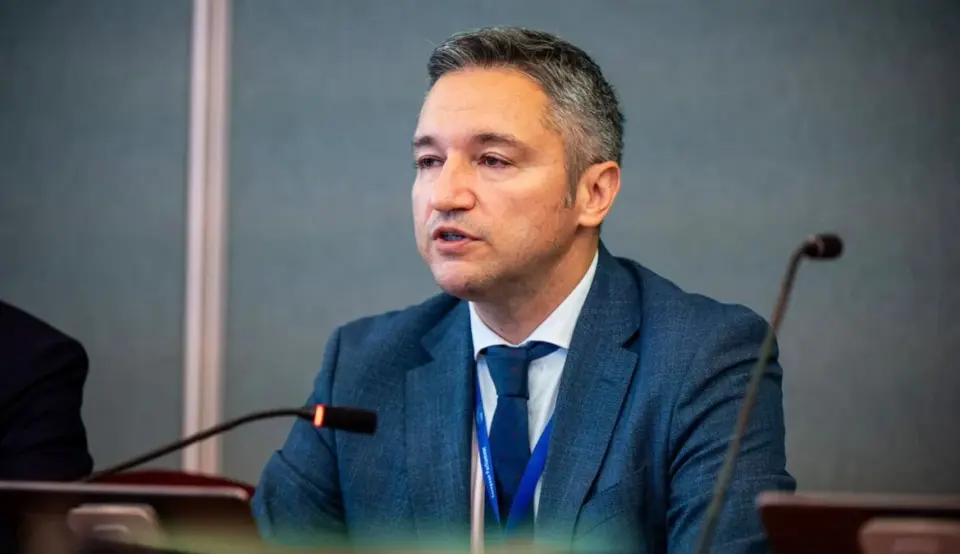
Vigenin: The protection of bees and modern farming have to be in step with each other

Vigenin: The protection of bees and modern farming have to be in step with each other

The protection of bees is a vital cause in support of Bulgarian producers, farmers and consumers. At the same time, the grounds for conflict are being created artificially, in that beekeepers insist on stricter measures to protect pollinators, while farmers claim that some banned products, including neonicotinoids, are the most effective for protecting the harvest from pests.

In reply to a question from Kristian Vigenin about the measures taken by the European Commission, the Commissioner for Health and Animal Welfare Oliver Varhelyi confirmed that four reference laboratories are already working in the EU, in support of the national laboratories, developing analytical methods and assisting the control of pesticide residues, including through the Insignia programme. The answer makes it clear that most neonicotinoids are already restricted, and that Regulation (EU) 2023/334 bans the import of products containing clothianidin and thiamethoxam. Commissioner Varhelyi gives an assurance that by 2026 the updated assessment under the new Bee Guidance Document of the European Food Safety Authority (EFSA) will be finalised. Under the Common Agricultural Policy (CAP), 6% of farmland in the EU is supported as organic, while practices for sustainable pesticide use cover 30%. Investment is being made in research on reducing pesticide use and on farming that favours biodiversity.

“As a Bulgarian representative in the EP I will continue to follow how these measures are applied in practice, so that we protect bees and biodiversity, provide effective tools for farmers, and give consumers confidence and guarantees that food is of good quality and safe. At the same time, the application of some of the measures in practical terms depends on the national authorities, and strict observance of the rules by farmers will ease the pressure for new bans and restrictions,” Vigenin commented, adding that protecting bees is in fact also support for higher yields in farming, and that modern farming that is gentle on biodiversity helps to preserve bees.

Questions and answers

Questions from Kristian Vigenin:

https://www.europarl.europa.eu/doceo/document/E-10-2025-002020_BG.html

Answers from the European Commission:

https://www.europarl.europa.eu/doceo/document/E-10-2025-002020-ASW_BG.html