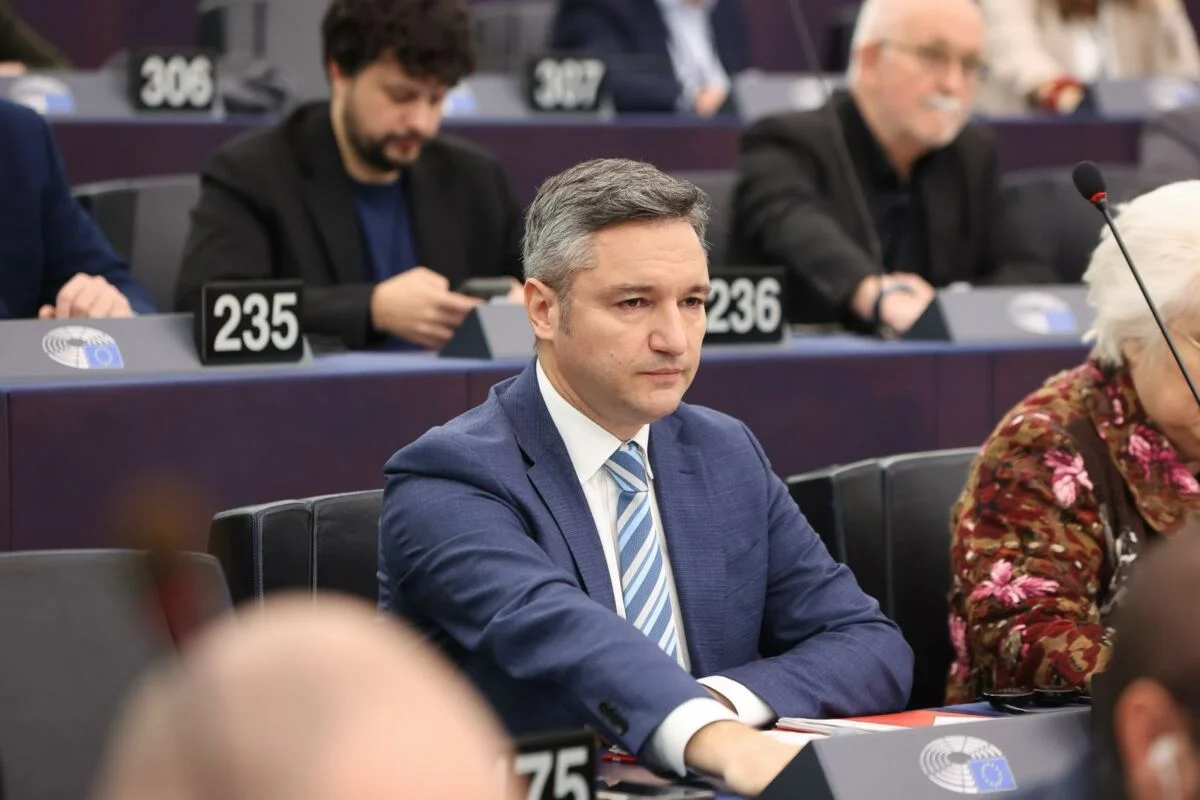
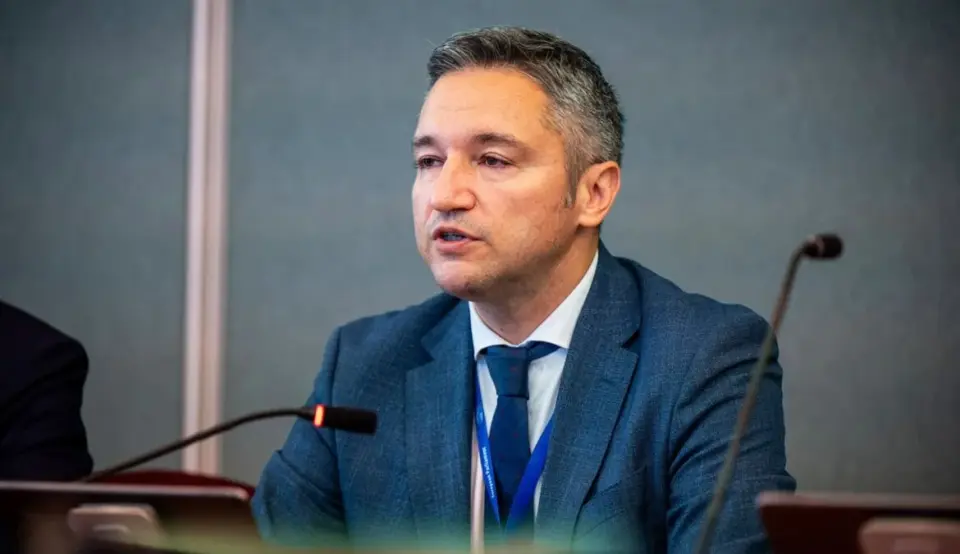
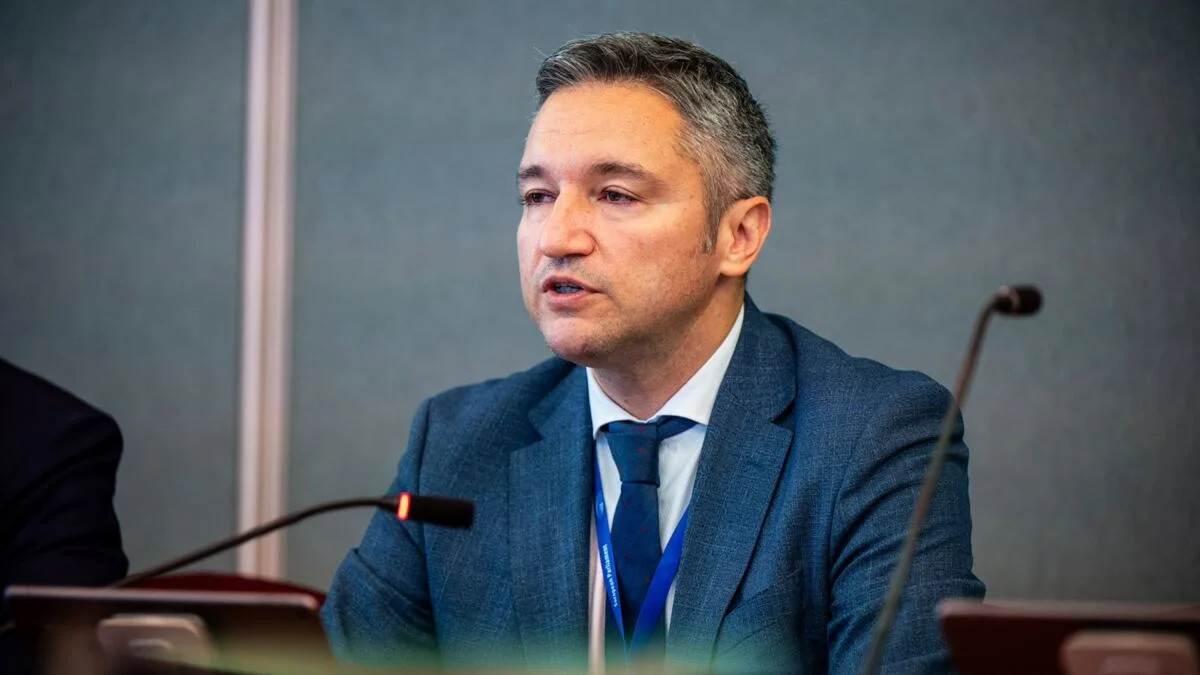
“Corruption will now be punished in the same way across the whole EU. Neither individuals nor big economic interests will go unpunished.” This was stated by Bulgarian MEP Kristian Vigenin from the Group of the Progressive Alliance of Socialists and Democrats in the European Parliament. He set out his position as a member of the Committee on Civil Liberties, Justice and Home Affairs (LIBE) after the European Parliament adopted the first European anti-corruption directive at first reading.
“With this directive we are introducing common rules for the whole European Union, so that corruption is prevented, investigated and punished more effectively everywhere in the EU,” Vigenin explained.
The document is part of the Union’s broader efforts to strengthen the rule of law and create a single standard in the fight against corruption in all member states. The directive aims to overcome the existing differences between national laws, which often make it harder to investigate and punish cross-border corrupt practices, and to ensure more effective coordination between the European and the national institutions. Its adoption is an important step towards greater transparency, accountability and protection of the public interest within the EU.
Common definitions of corruption offences
For the first time, uniform definitions of corruption offences are being introduced at European level. This means that bribery, misappropriation of funds, trading in influence, obstruction of justice and illicit enrichment will be treated in the same way in all member states. The directive also provides for significantly tougher sanctions. “For individuals this means effective sentences, fines, removal from public office and a ban on taking part in public procurement. For companies, serious financial sanctions, including fines linked to their turnover,” Vigenin stressed.
On the initiative of the Socialists, cooperation between the national authorities and the European institutions is also being strengthened. “We are stepping up coordination with the European Public Prosecutor’s Office, OLAF and Europol, so that the fight against corruption is more effective at cross-border level too,” the MEP pointed out.
More than criminal penalties
Vigenin emphasised that the directive is not limited to punitive measures. “The fight against corruption is not only a question of sanctions. We are also introducing strong preventive mechanisms: mandatory national strategies, more transparency, publicly available data and protection for whistleblowers,” he said.
Member states will have 24 months to transpose the new rules into their national law.