Vigenin: In simplifying rules on cosmetics to maintain high health standards
04/02/2026
Vigenin: The election of a new leader is a chance for real change and for the BSP to regain its influence
11/02/2026
Vigenin: In simplifying rules on cosmetics to maintain high health standards
04/02/2026
Vigenin: The election of a new leader is a chance for real change and for the BSP to regain its influence
11/02/2026
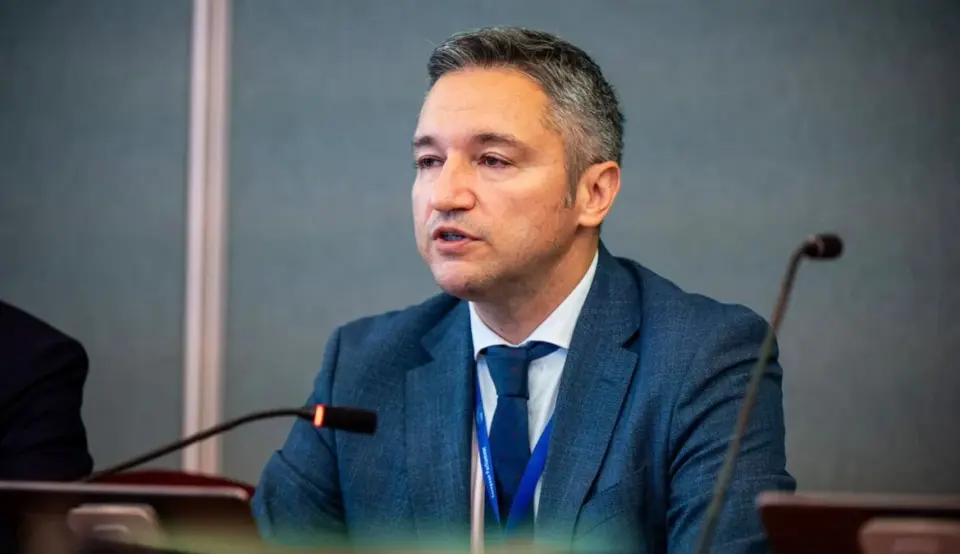
Vigenin: Europol has to have new tools against crime in the age of artificial intelligence
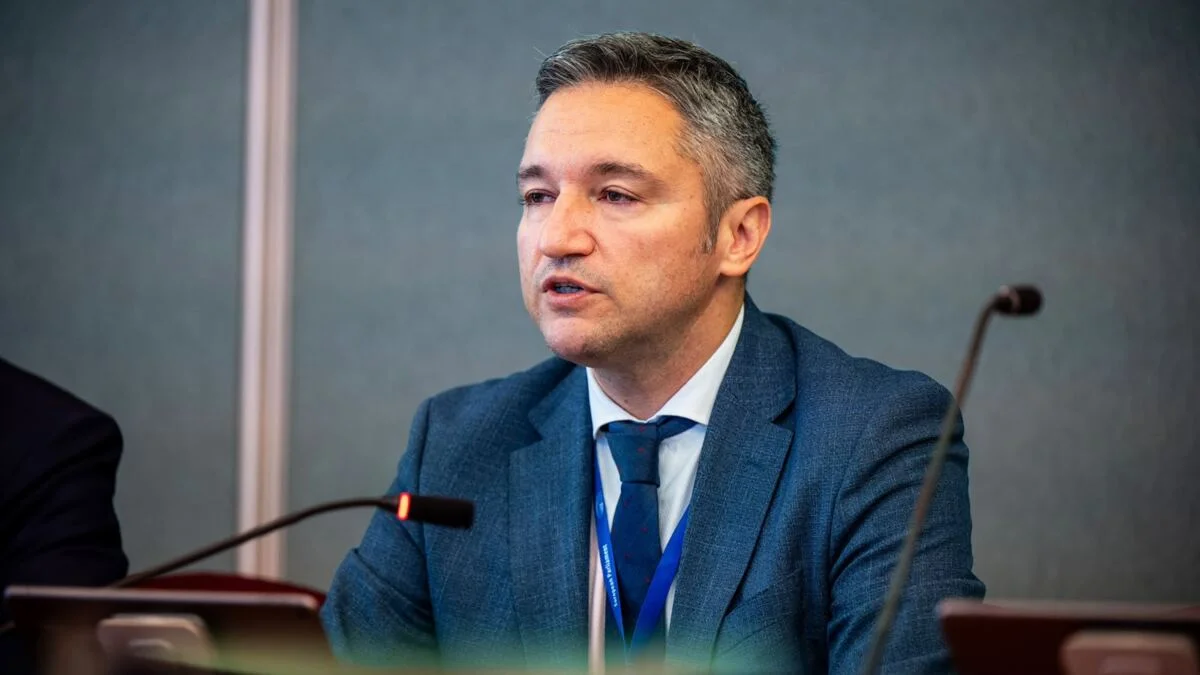
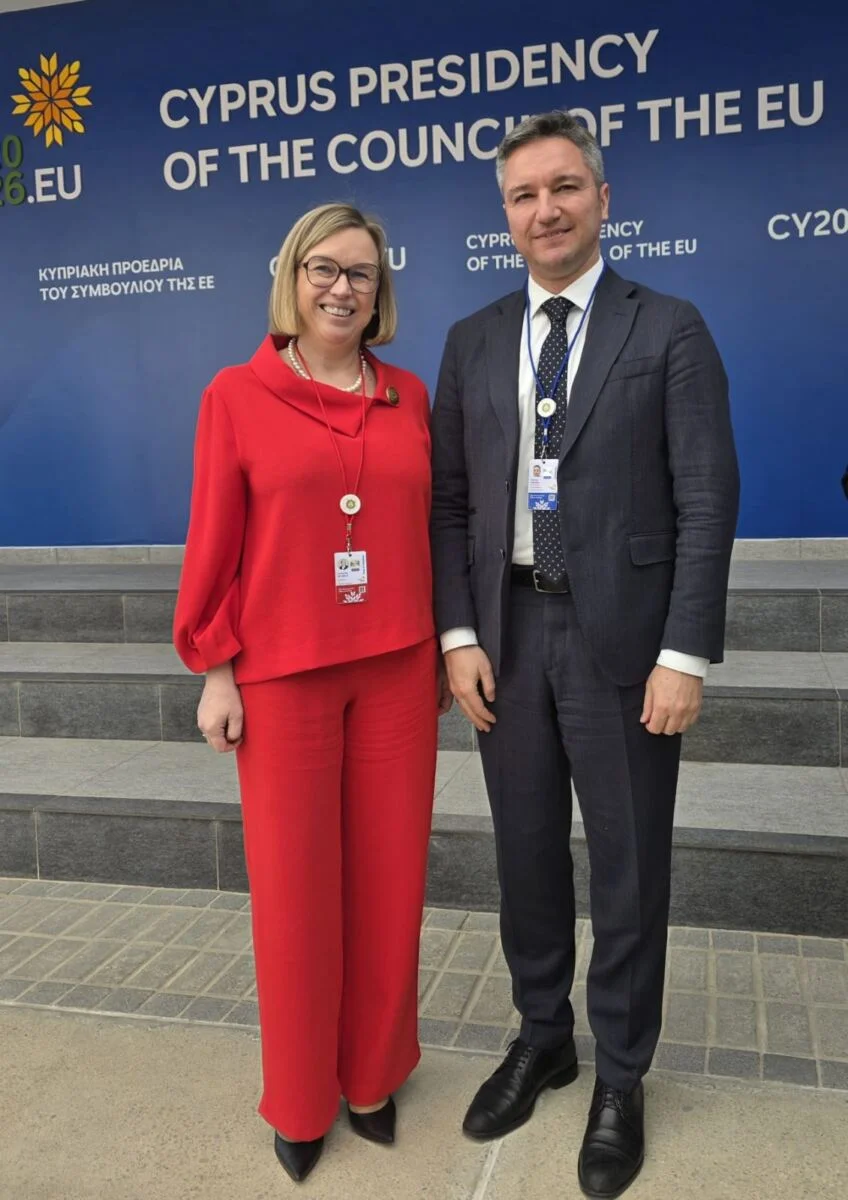
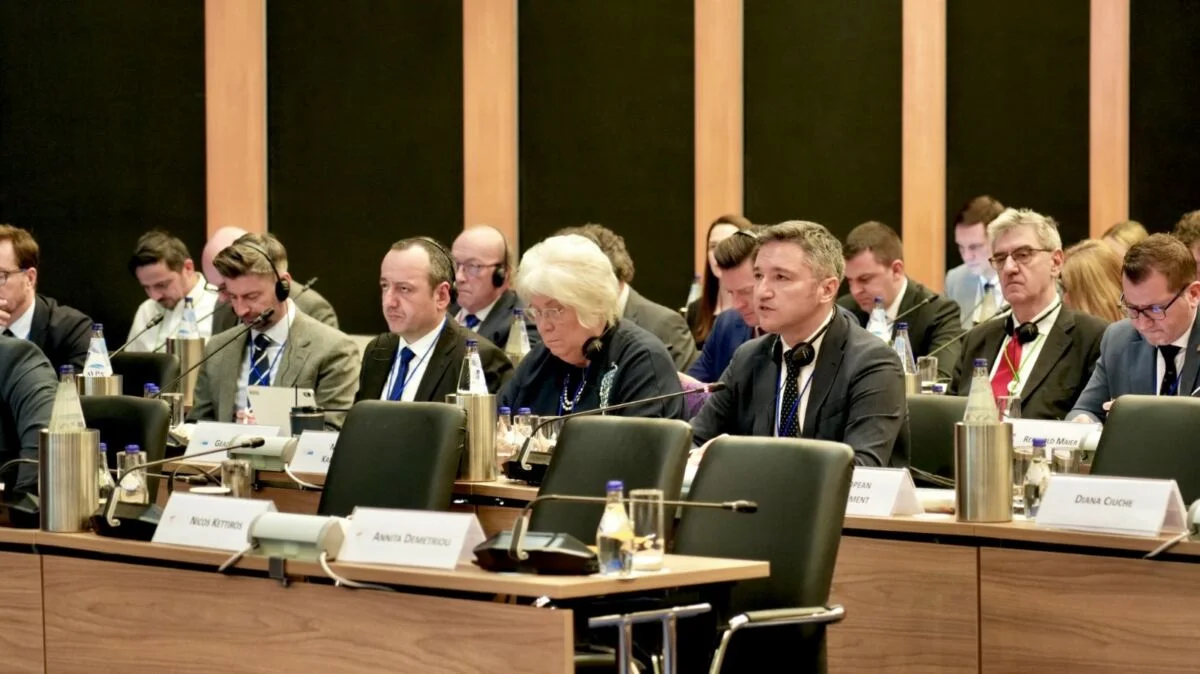
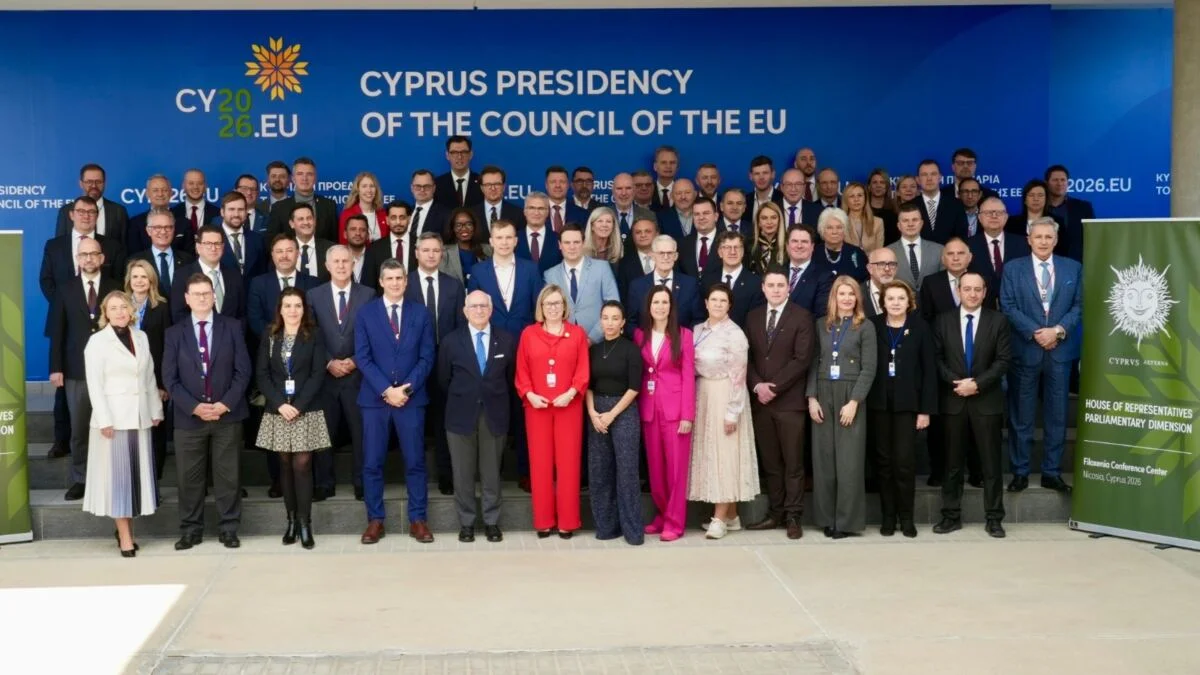
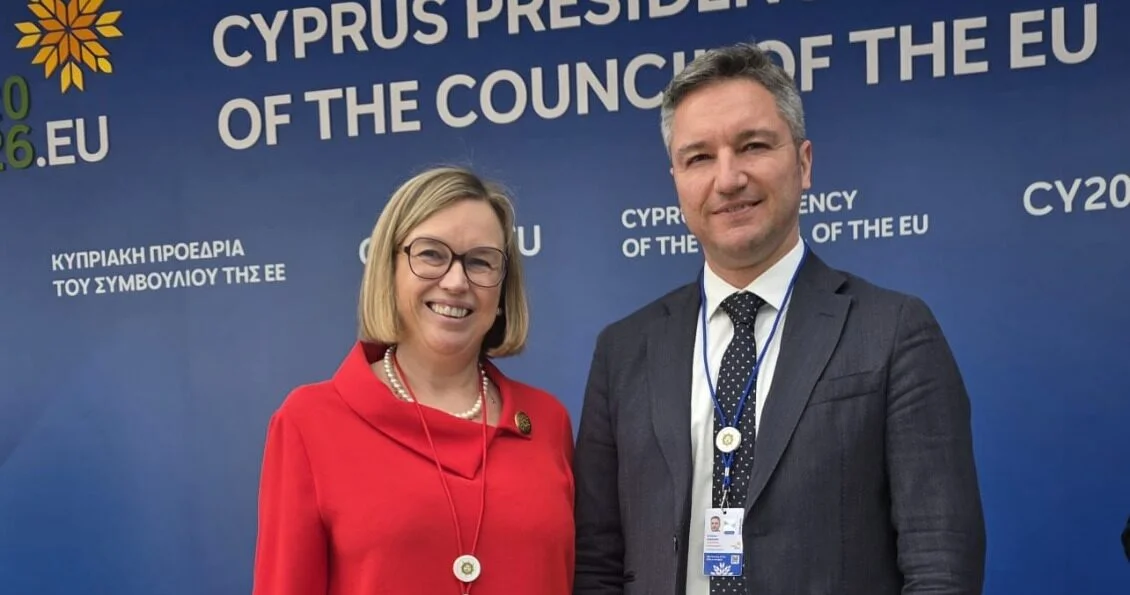
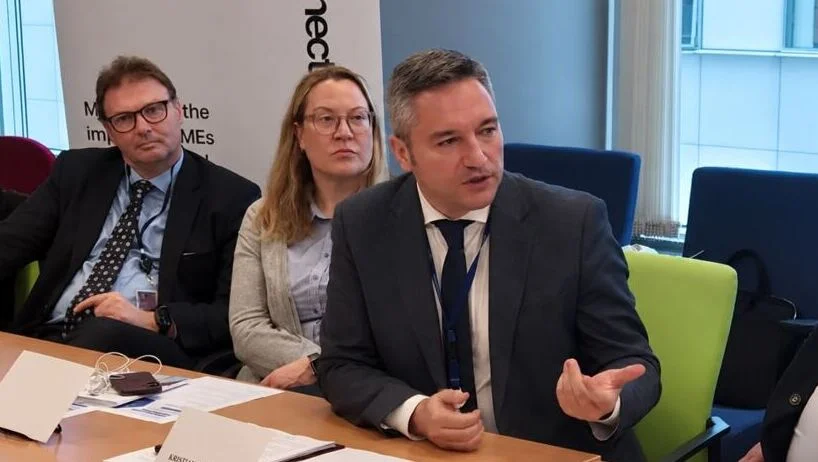
“The European Union Agency for Law Enforcement Cooperation (Europol) has undergone serious changes over the past decade. With the arrival of new technologies and artificial intelligence, criminal networks often continue to look a step ahead of the authorities at European and national level.” This was stated by Bulgarian MEP Kristian Vigenin from the Group of the Progressive Alliance of Socialists and Democrats in the European Parliament during a meeting on parliamentary scrutiny of the European Union Agency for Law Enforcement Cooperation (Europol), held in Nicosia and organised by the Cypriot presidency. Together with fellow MEPs, representatives of the national parliaments and Europol’s management, he discussed the future of the agency.
Information exchange and high-tech crime
During the sessions Kristian Vigenin raised substantial points, among them the exchange of information between the member states, which continues to limit the agency’s operational effectiveness, as well as the upcoming review of Europol’s mandate, including the stated intention to double its staff.
“Europol needs to give stronger support to the national authorities, especially on crimes related to high technology,” noted the MEP. The topics discussed also included the work of the new Centre for Combating Migrant Smuggling, set up two months ago.
Discussion with Europol’s Executive Director
In the substantive discussion with Europol’s executive director Catherine De Bolle, Kristian Vigenin raised important questions, among them how the agency can respond to the technological progress of criminal networks and the ever wider use of artificial intelligence. In reply she stressed that this is fundamentally changing Europol’s work. She also noted that law enforcement authorities face deep fake content and a mixing of real and false data, and that traditional investigation methods are no longer enough. In her view this calls for the use of new technologies, better links with the judicial authorities and a strategic debate on the future model of policing in the European Union.
In conclusion Kristian Vigenin underlined: “The process of renewing Europol’s mandate still lies ahead and over the coming months it will require active work in the European Parliament. The aim is to guarantee that the agency will have the tools it needs to respond effectively to the growing and increasingly complex threats to security.” The next meeting of the Joint Parliamentary Scrutiny Group will take place on 4 and 5 November in Brussels.