June 2026 – Newsletter
11/07/2026
Vigenin called for the powers of the European Public Prosecutor’s Office to be extended
15/07/2026
June 2026 – Newsletter
11/07/2026
Vigenin called for the powers of the European Public Prosecutor’s Office to be extended
15/07/2026
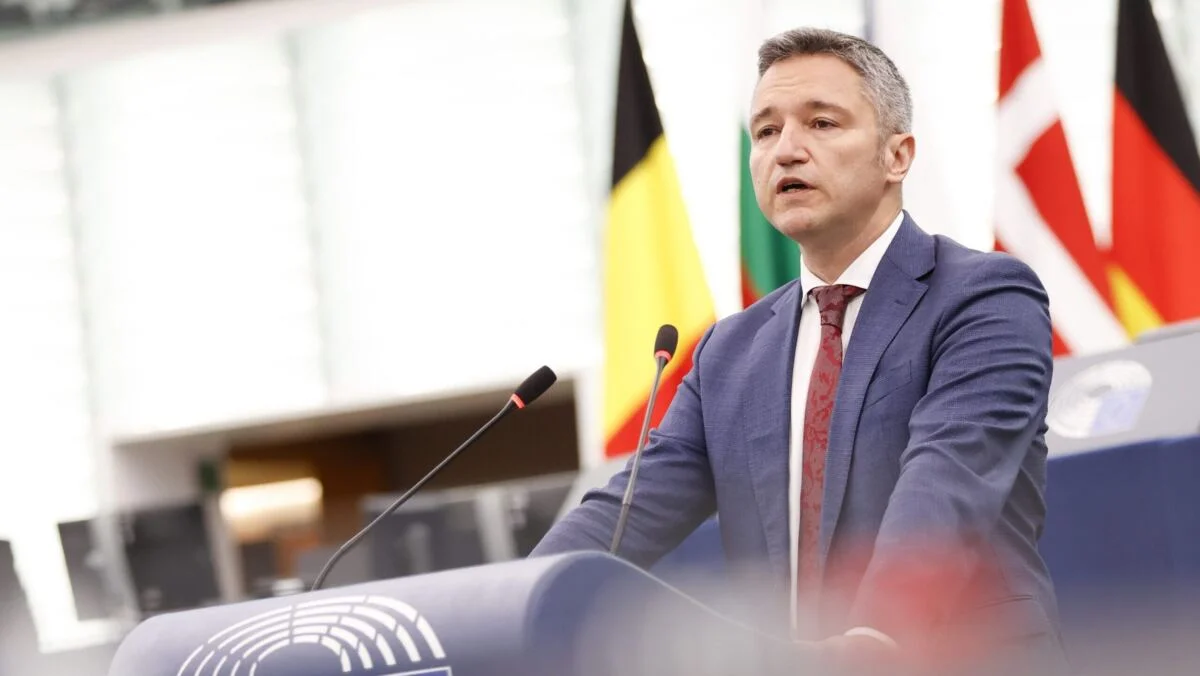
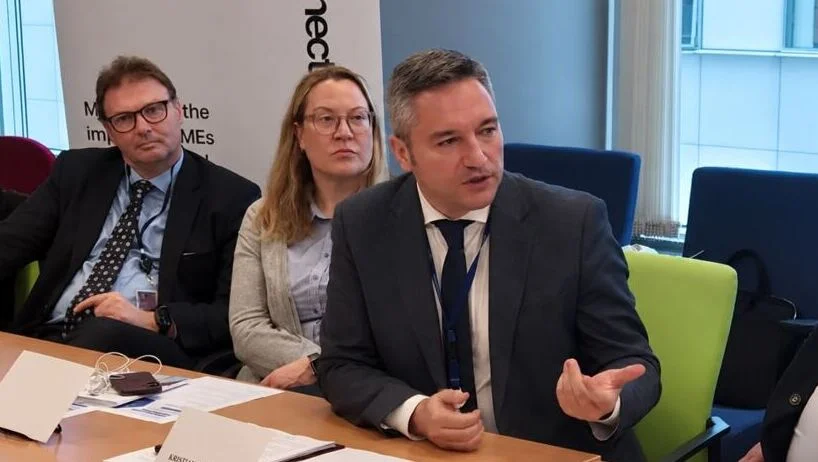
Vigenin in Strasbourg: Small farms need simplified rules
“Small farmers cannot be treated like large industrial producers. They do not have the same administrative capacity or the same access to markets, and they cannot take on every additional burden.” This was stated by Bulgarian MEP Kristian Vigenin from the Group of the Progressive Alliance of Socialists and Democrats during a plenary debate in the European Parliament. The occasion was the debate on the need to update the European regulatory framework for wool. The discussion focused on how this natural resource could be used more effectively in the context of the circular economy, sustainable textiles and support for European sheep farming.
Small farms in Bulgaria
Vigenin stressed that for many farmers, especially in Bulgaria and Eastern and Southern Europe, in mountainous, semi-mountainous and poorer regions, sheep farming is a matter of survival. In his words, it not only provides income but also keeps rural areas alive, preserves local breeds and traditions and maintains pastures. “Today these farmers are in an absurd situation. They have to shear their sheep, because it is necessary for the animals’ health and welfare, but then the wool often brings no income and becomes a cost instead. This is not fair,” he said.
The MEP noted that Bulgaria and a number of countries in the region know well the consequences of diseases such as sheep and goat pox, peste des petits ruminants and bluetongue, which can wipe out herds and livelihoods. “This is not about removing controls. It is about more sensible controls. When there is no real veterinary risk, the rules should not make collecting and using wool economically pointless,” he said.
In conclusion, he called on the European Commission to review the current rules, support the creation of regional centres for collecting and primary processing of wool, encourage local processors and cooperatives, and provide stronger veterinary support and fair compensation for affected farmers.