19/10/2026
Vigenin: Europe’s strength lies in its ability to bridge differences
28/02/2026
Vigenin: We secured relief for thousands of companies in the EU
02/03/2026Vigenin: Europe’s strength lies in its ability to bridge differences
28/02/2026Vigenin: We secured relief for thousands of companies in the EU
02/03/2026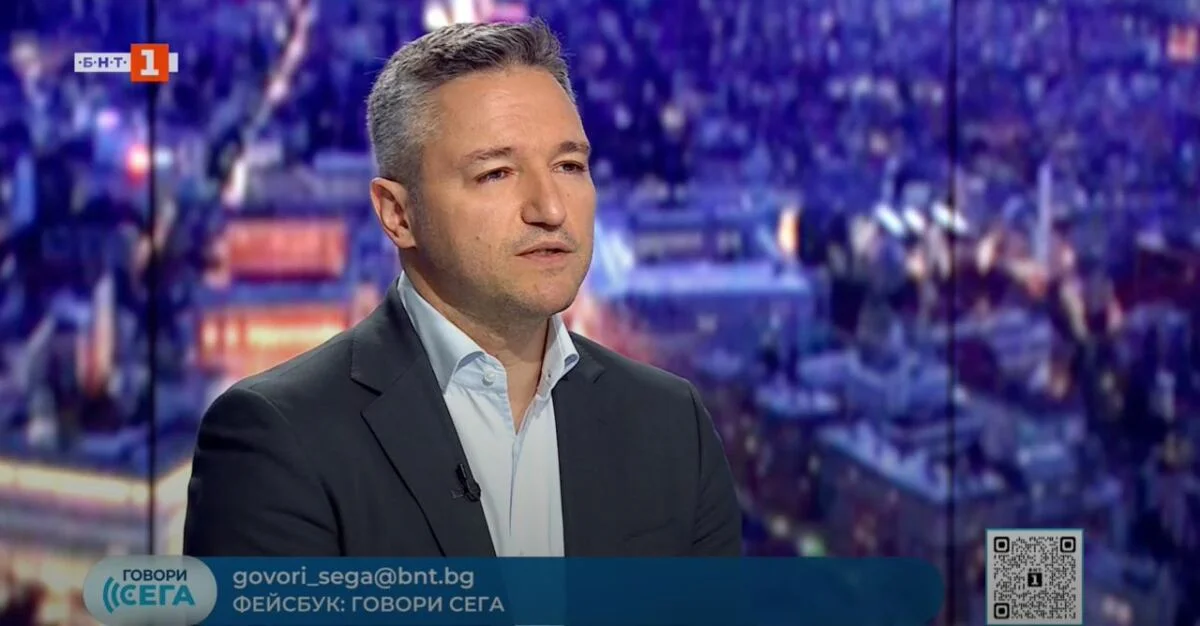
Vigenin: War is not a solution, silence today means consent to the next war
The BSP has a chance to be part of the real, substantive change in Bulgaria
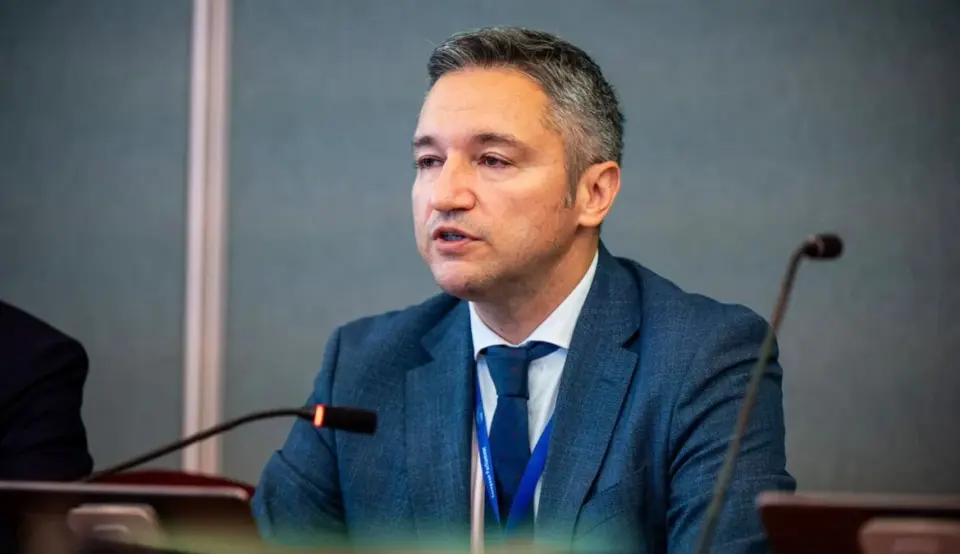
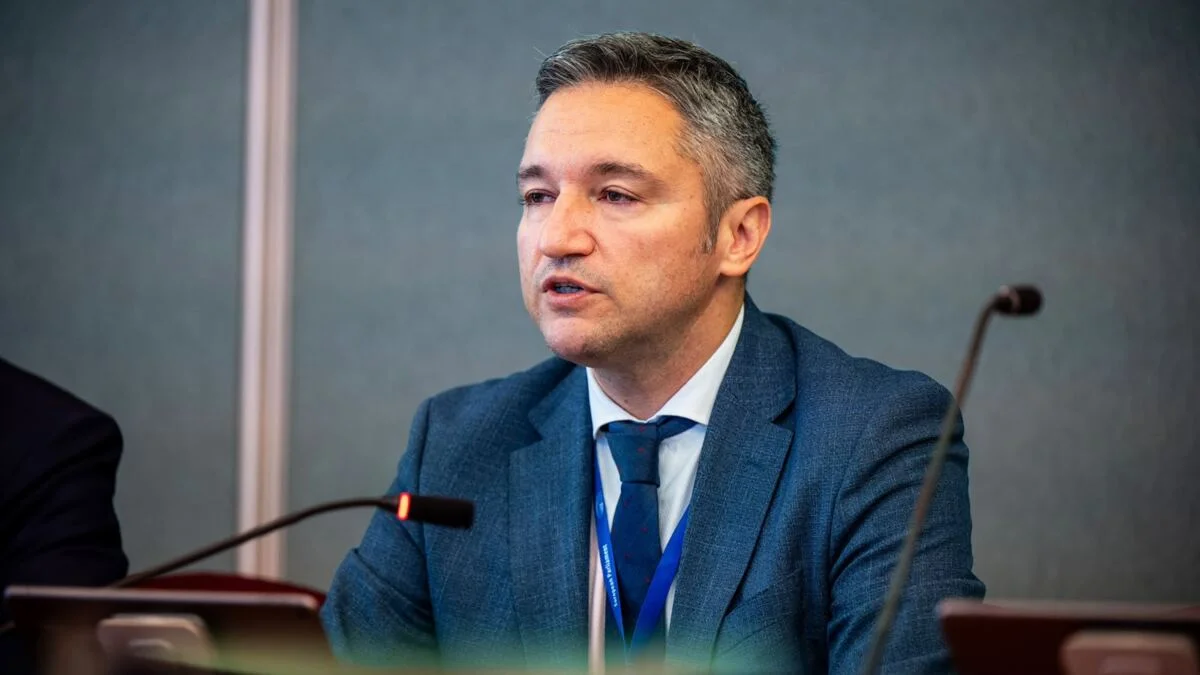
“War is never a solution. Encouraging it, or staying silent when there is a war, means giving carte blanche not only to this one, but to the next war too.” This was stated by the MEP from the Group of the Progressive Alliance of Socialists and Democrats in the European Parliament Kristian Vigenin in the programme “Govori sega” on BNT, commenting on the military attacks against Iran and Europe’s reaction.
In his words the different reactions in the European Union are to be expected. He stressed that the situation is complex and cannot be viewed one-sidedly. “Iran has two very serious problems. One is that only weeks ago it brutally crushed its citizens’ attempt to ask for more democracy. And the other is the effort, over many years, to develop its own nuclear programme,” he said.
The debate on a “two-speed Europe”
In the context of the debate on a “two-speed Europe” and the discussion on this topic that Vigenin organised in Sofia, he called for realism and a clear national position. The MEP recalled that politicians, academics and diplomats who took part in the forum have united around this idea. “I do not think we should exaggerate this threat, but we have to be very careful. Bulgaria will never be in the first speed if the EU splits into speeds, let us be realistic. That is why a clear national position against this initiative is needed,” Kristian Vigenin stressed.
He drew a generational parallel. “There are people who worked hard to win and establish Bulgaria’s place in the European Union. But there are also others who do not remember Bulgaria before the EU. These are today’s young people. They have a different self-confidence. Some of them will probably be able to tell others in future what Bulgaria was like before Schengen and theeuro area, but none of them knows what thequeues in front of Western embassies to get a visa were like. Together we have to do what is needed, so that we do not have to knock on closed doors again .“
Developments in the BSP
Kristian Vigenin commented on the internal party processes in the BSP and the vote of the BSP – OL parliamentary group on President Iliana Yotova’s veto of the changes to the Electoral Code, which provided for a reduction in the polling stations abroad in countries outside the EU: “Another party probably would not allow itself a vote like that. But the BSP is a democratic party and its MPs are free.What is bad is when that freedom is used to the detriment of the party. In the end, though, we should not dramatise this vote.” He expressed his puzzlement, however, that with their vote these MPs censured not so much Zarkov as Yotova herself, while only yesterday they were expressing their joy that the BSP again has a president.
In his view there is a clear dividing line in the party about the direction in which the BSP should develop: “With the election of Zarkov, with the election of the new Executive Bureau, the BSP positioned itself clearly and stated: ‘We are not with GERB and DPS. We are not with Borissov and Peevski.'” In his words this is not simply a change of one leader for another, but a change of direction. “It will take a little time for people to understand it, but I think we are going where we belong,” Vigenin pointed out.
Asked where the BSP positions itself in the upcoming elections, he said the main question is whether voters will give a chance to the status quo or to real change: „Will Bulgarians give a chance again to the status quo, to mafia-style politics, to unregulated control in the different branches of power, including the judiciary, or will they this time give a chance to real, substantive change, in which theBSP also has to take part.“
Vigenin admitted that the BSP’s participation in the previous government was a compromise for the sake of stability. “We made a compromise in giving the country a chance to be governed not by caretaker governments, in giving a regular working government a chance to make the necessary changes. In the social sphere results were achieved, but at the same time it turned out that the other issues that are essential for Bulgarian citizens were blocked,” he said. In his words the government, which started with the idea of a “sanitary cordon around Peevski”, subsequently turned out to be entirely dependent on him. “We did not vote for that , when we agreed to take part in the government,” Vigenin stressed. “The BSP has found again the place it wanted from the start and where it should have been,” the MEP said, expressing confidence that in the upcoming elections the BSP will not be fighting for the four per cent, but for a solid presence in the next parliament.
More News
18/10/2026