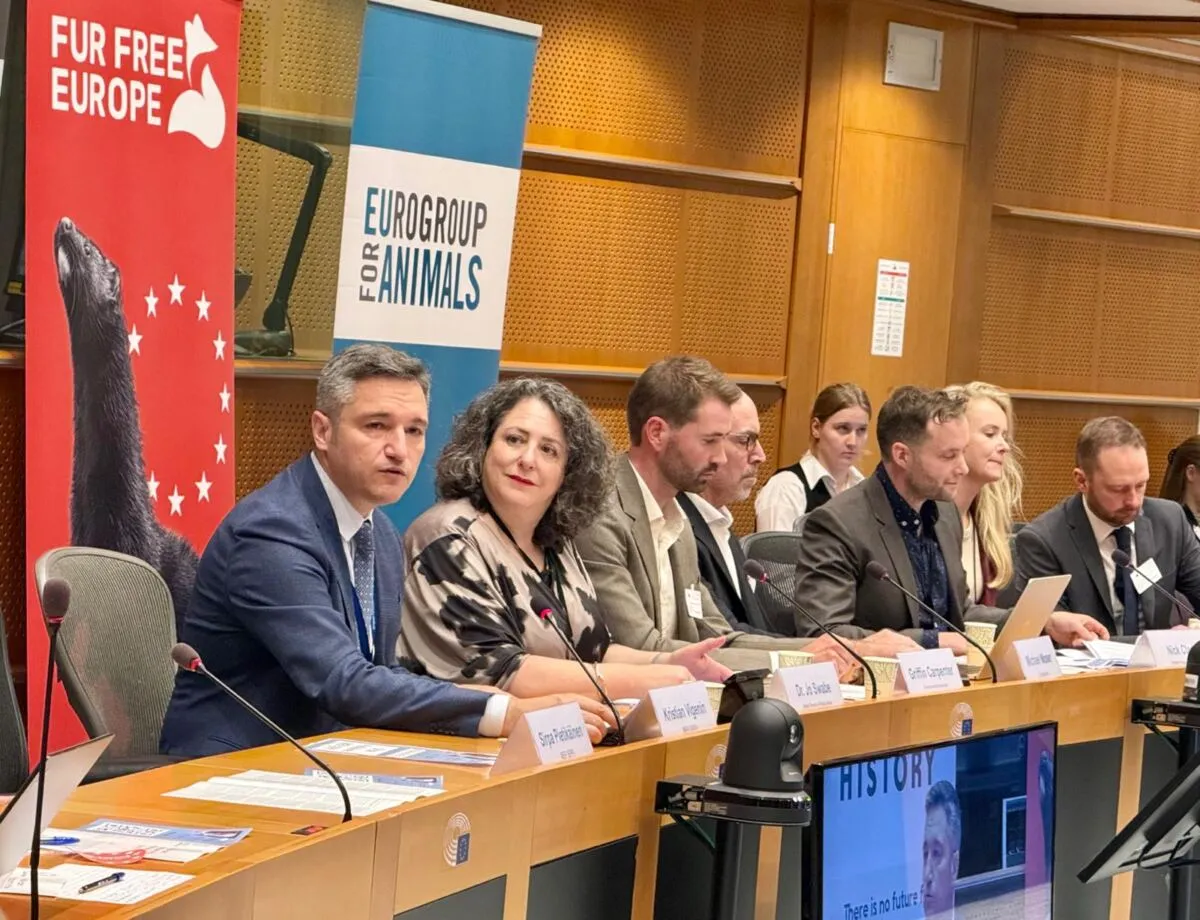
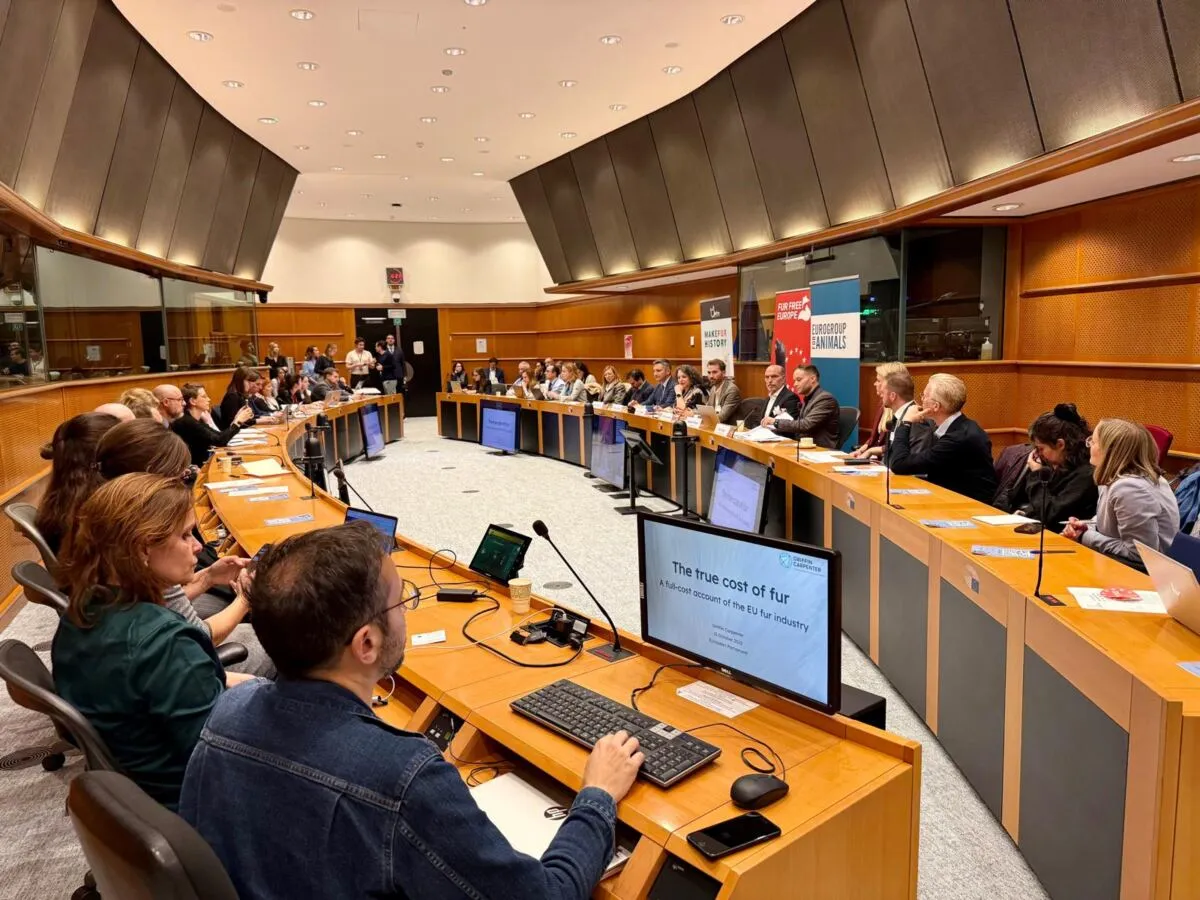
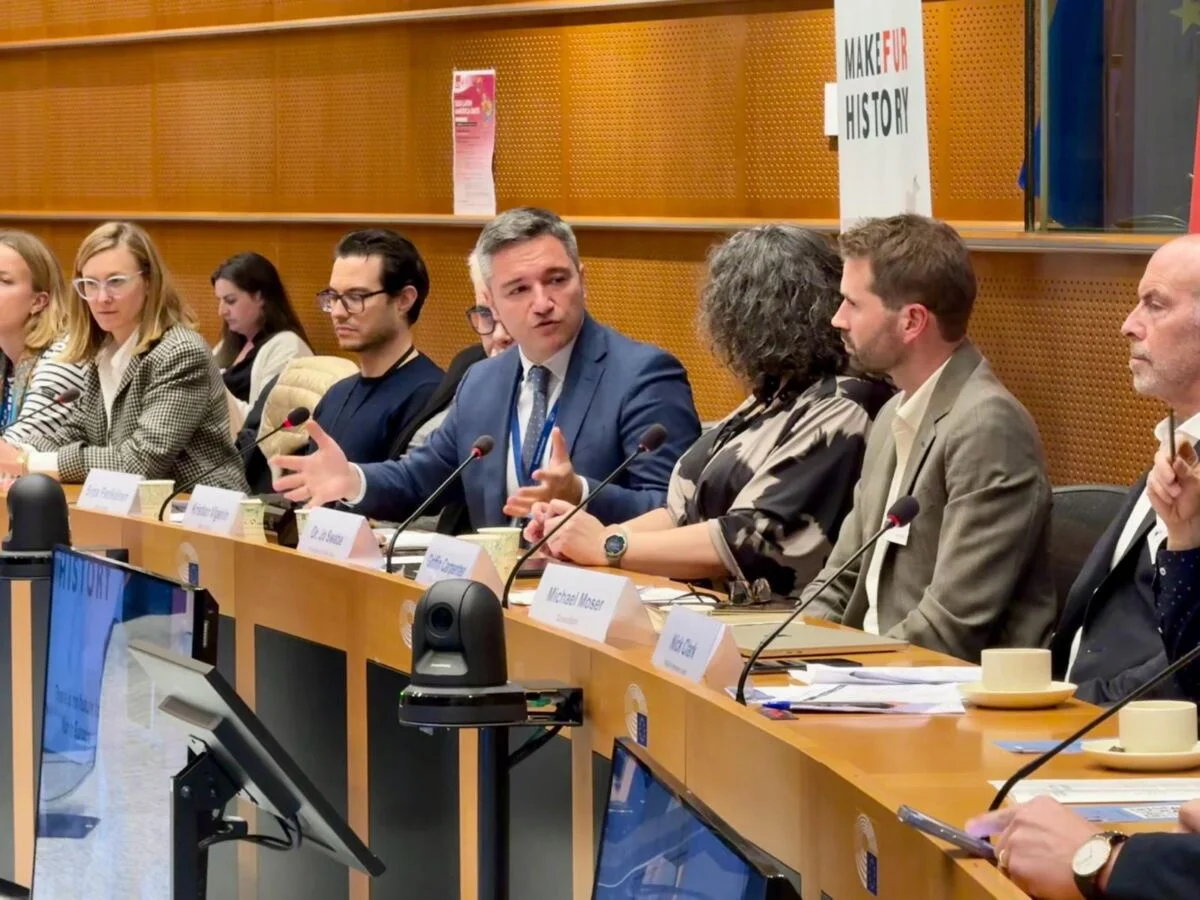
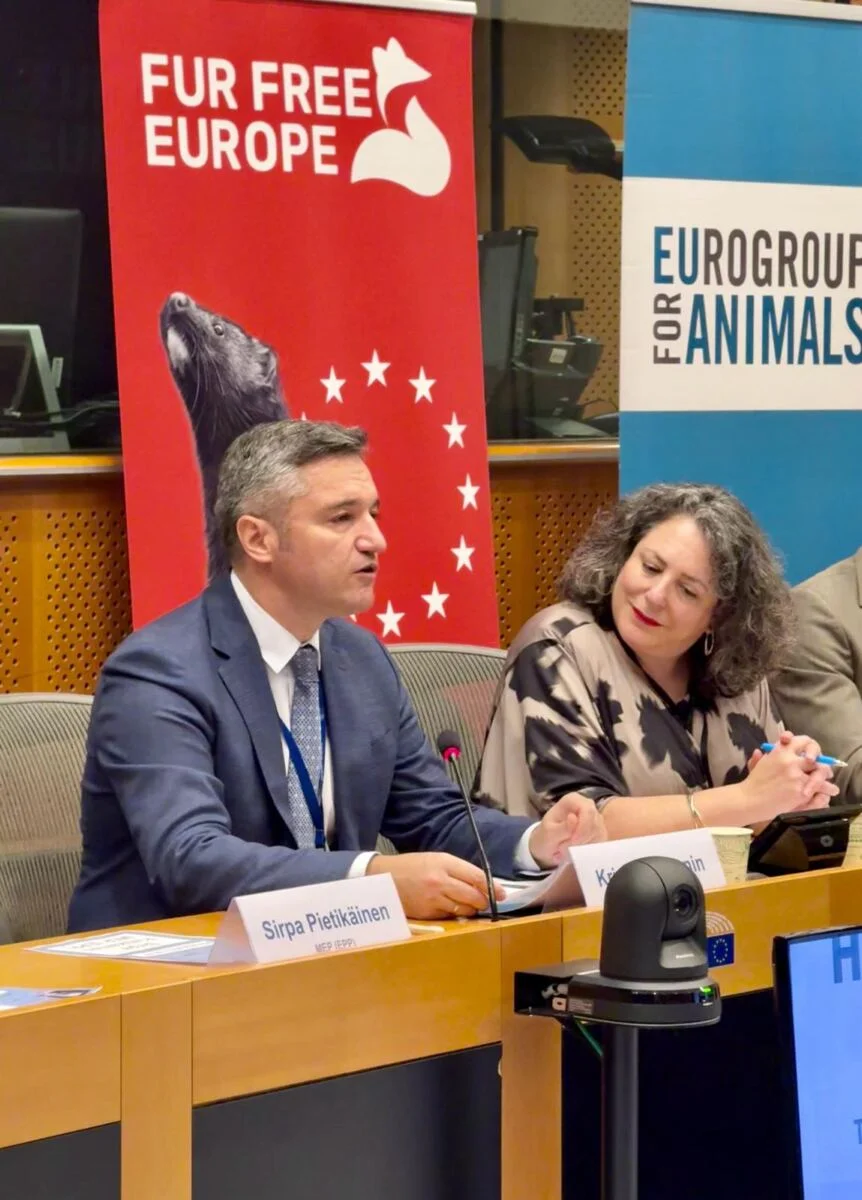
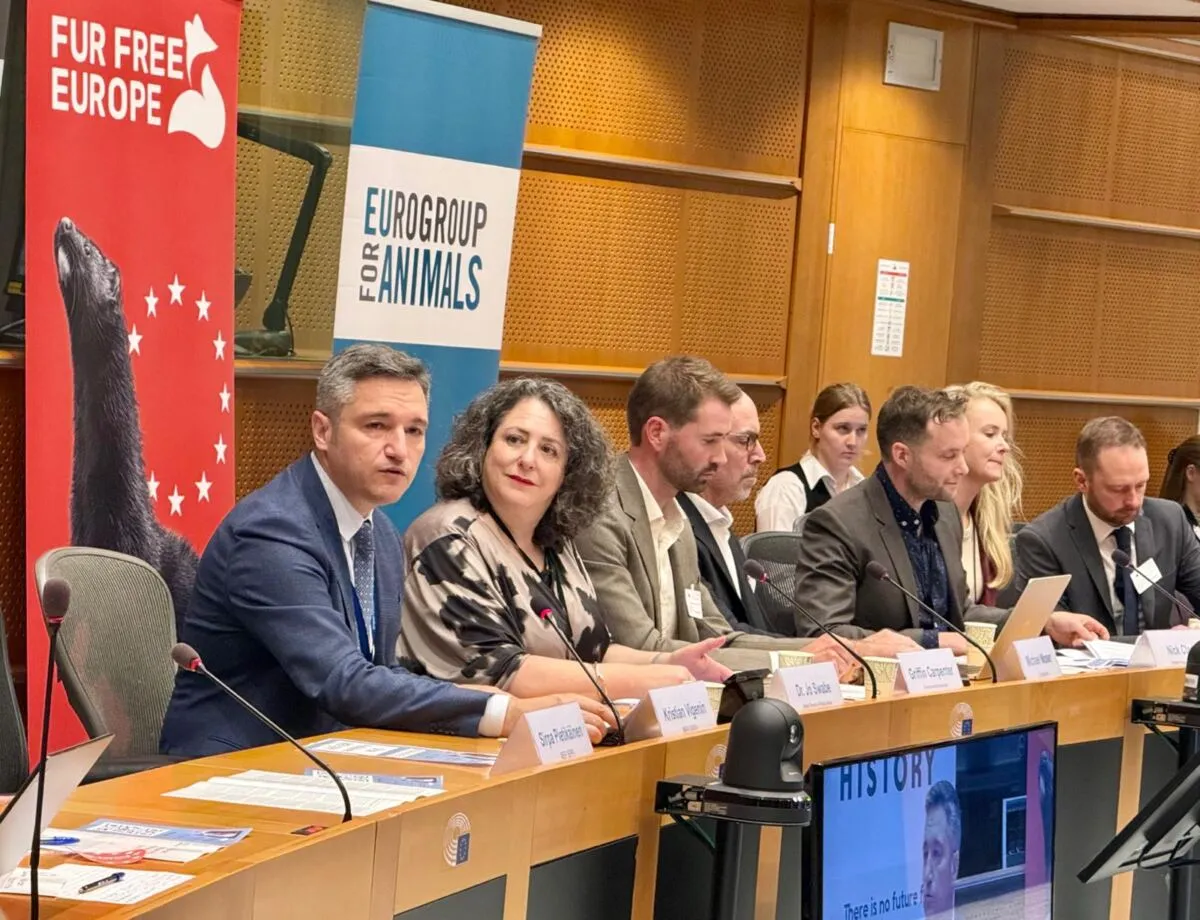
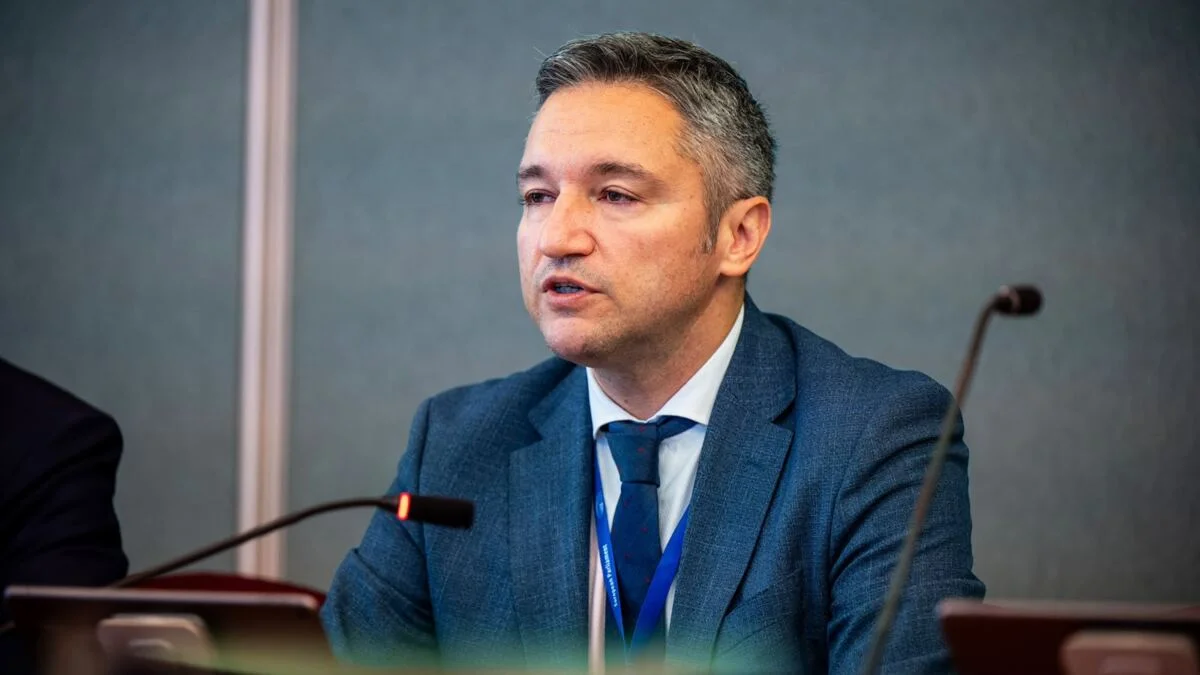
“The campaign against breeding animals for luxury fur is a personal cause for me. As a member of the Bulgarian parliament I also made efforts to end the breeding of animals for luxury fur. The fight against cruelty to animals is also one of my personal causes in this term as a member of the European Parliament.” This was stated by Bulgarian MEP from the Group of the Progressive Alliance of Socialists and Democrats in the European Parliament Kristian Vigenin, who, together with Finnish MEP from the EPP Sirpa Pietikainen, hosted the conference “The real cost of luxury fur: an economic analysis of the fur production industry in the EU”. The event was organised in partnership with the Fur Free Alliance coalition and Eurogroup for Animals and aims to present new research on the economic realities and the future of the luxury fur industry in Europe.
According to the report presented, the industry is in serious decline: from nearly 45 million animals bred and killed for their fur in 2015, the number has fallen to 6.2 million in 2024. This is mainly due to national bans adopted by 16 EU member states, including Bulgaria, which recently banned the breeding of American mink.
The Supreme Administrative Court ruling and the EFSA opinion
“The Supreme Administrative Court in Bulgaria upheld a ministerial order from 2022 banning the import and breeding of American mink. This definitively ended the activity of the last mink farm in the country as well. I am proud that Bulgaria is now among the countries that defended their moral position,” Vigenin emphasised.
The MEP noted the new scientific opinion of EFSA (the European Food Safety Authority), which condemns the current breeding methods in the industry. According to EFSA, the animals on fur farms, mink, foxes, chinchillas and raccoon dogs, suffer seriously because they are kept in narrow wire cages, and this runs counter to any humane treatment.
A call for a full ban
“This is a clear signal to the European Commission: a full ban is needed. Instead of trying to improve conditions that are inhumane by their very nature, we have to put an end to the practice itself,” Vigenin recommended. He called on the European Commission to rule quickly on the Citizens Initiative “Fur Free Europe”, signed by more than 1.5 million EU citizens, which insists on a full ban on the breeding and sale of products from fur farms.
“Instead of supporting an industry in decline and trying to create “ethical standards” for it, let us help the farmers move to other economic and humane activities. This is the responsible way forward,” Vigenin also said.