19/10/2026
The BSP audit commission visited Brussels at Kristian Vigenin’s invitation
08/12/2025
Vigenin discussed modernising the rules for chemical, cosmetic and fertiliser products with the American Chamber of Commerce
12/12/2025The BSP audit commission visited Brussels at Kristian Vigenin’s invitation
08/12/2025Vigenin discussed modernising the rules for chemical, cosmetic and fertiliser products with the American Chamber of Commerce
12/12/2025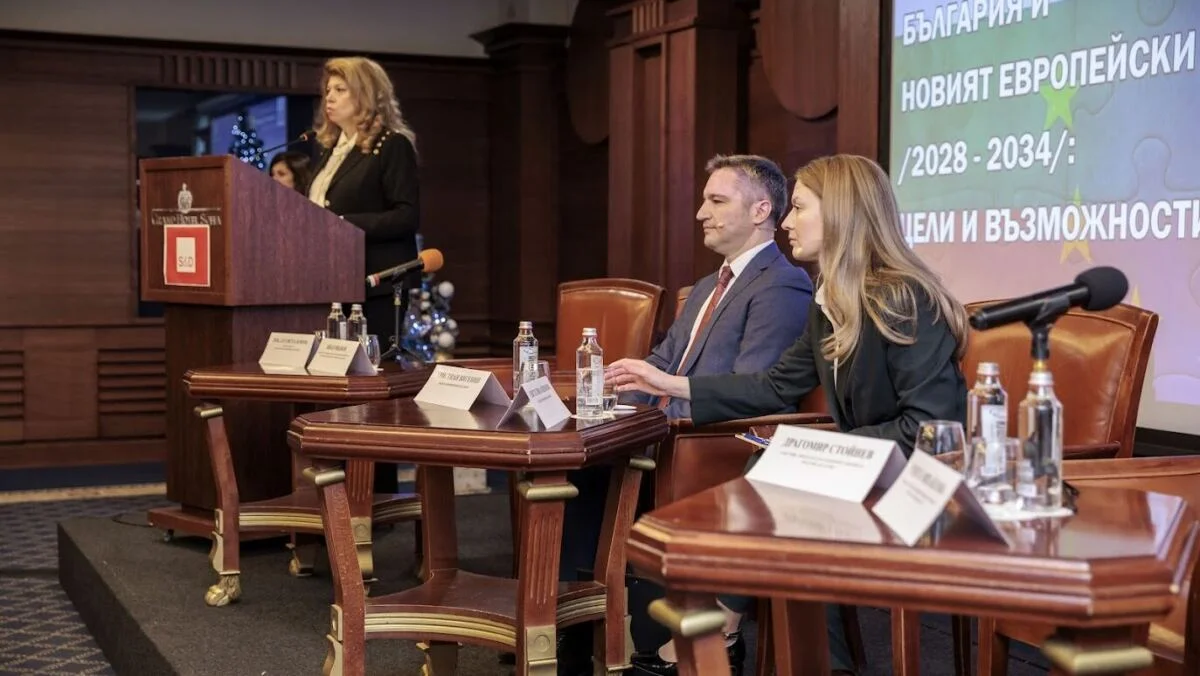
Vigenin and Penkova call on Bulgaria to fight for a strong, fair and social European budget
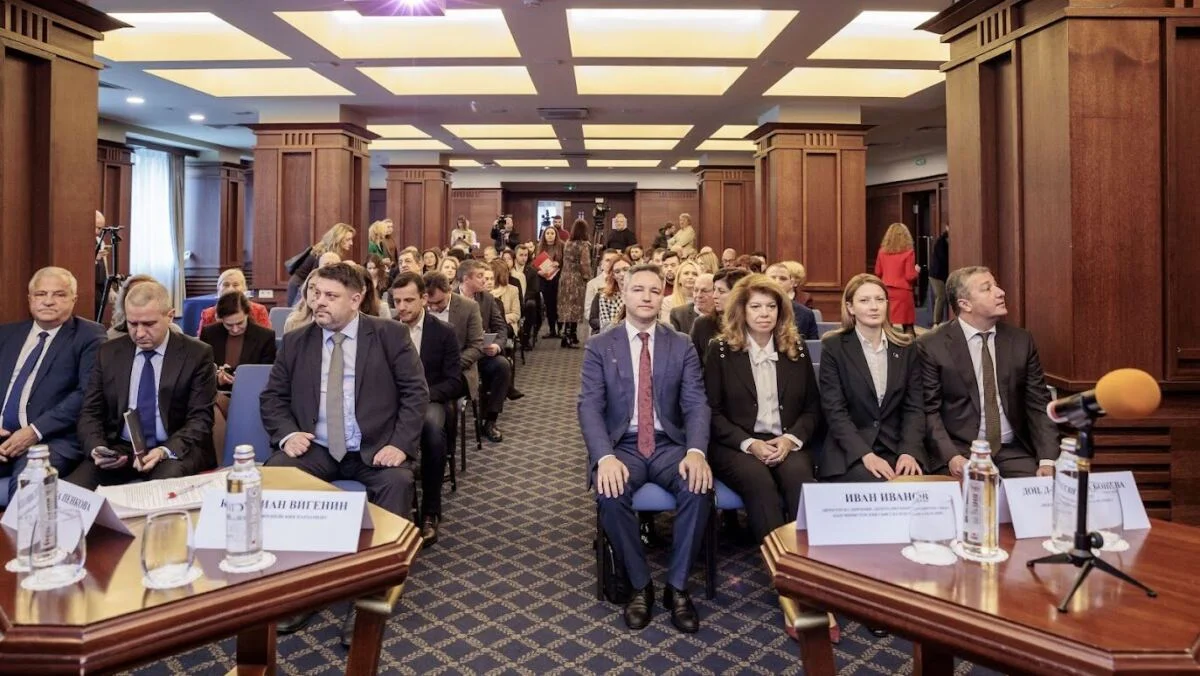
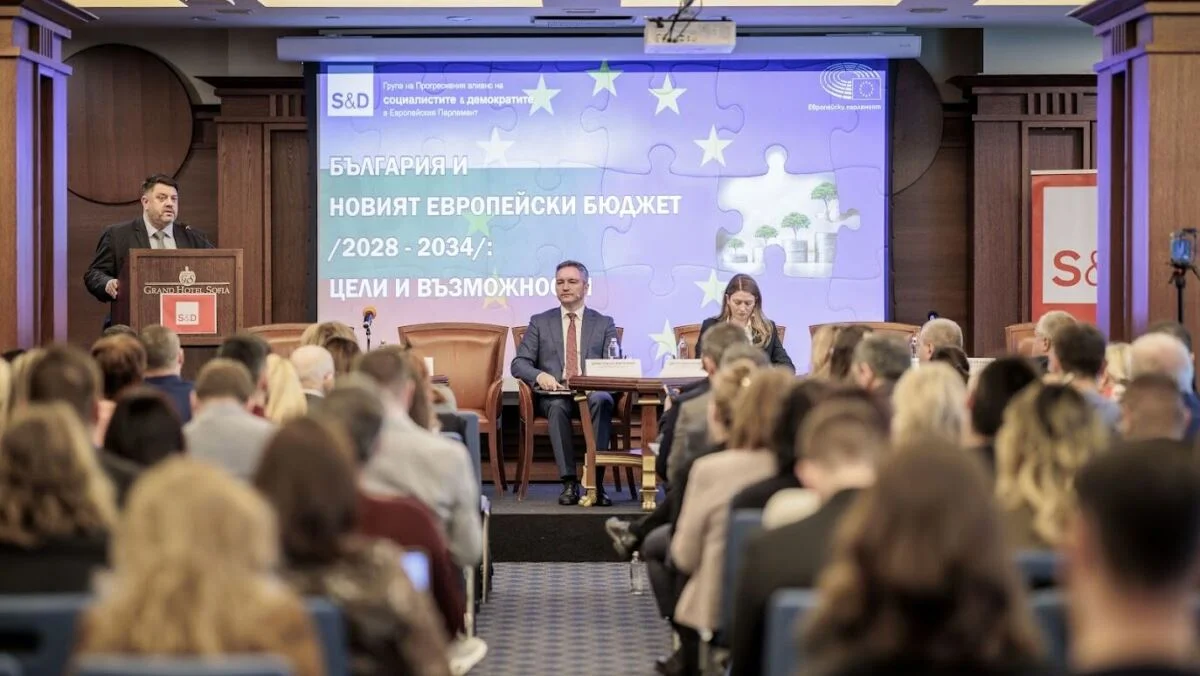
The delegation of Bulgarian Socialists in the European Parliament organised a public discussion on the topic "Bulgaria and the new European budget 2028-2034: goals and opportunities"
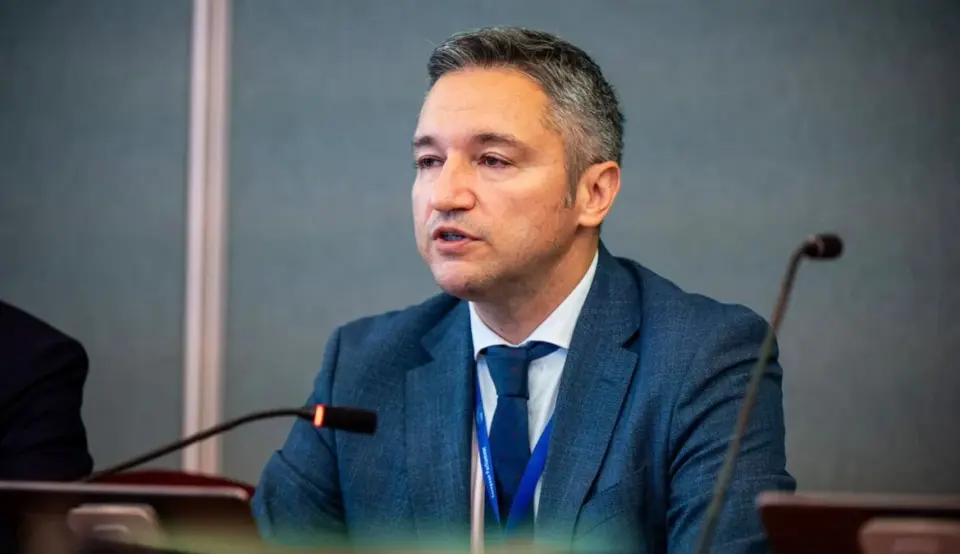
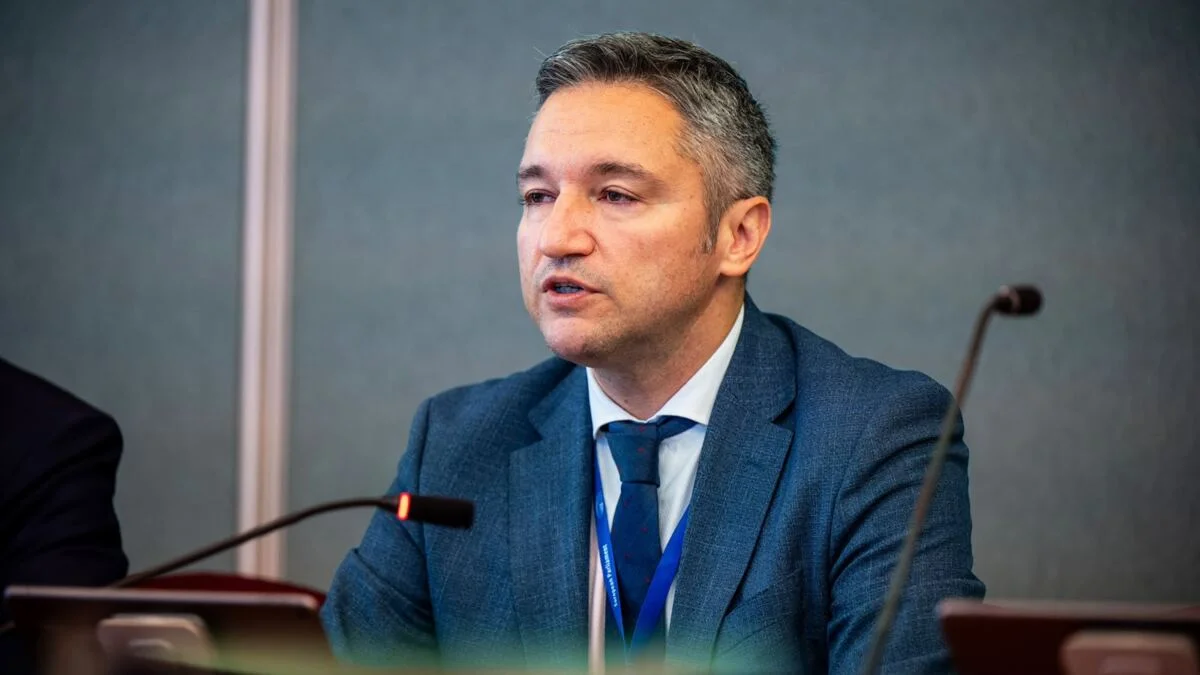
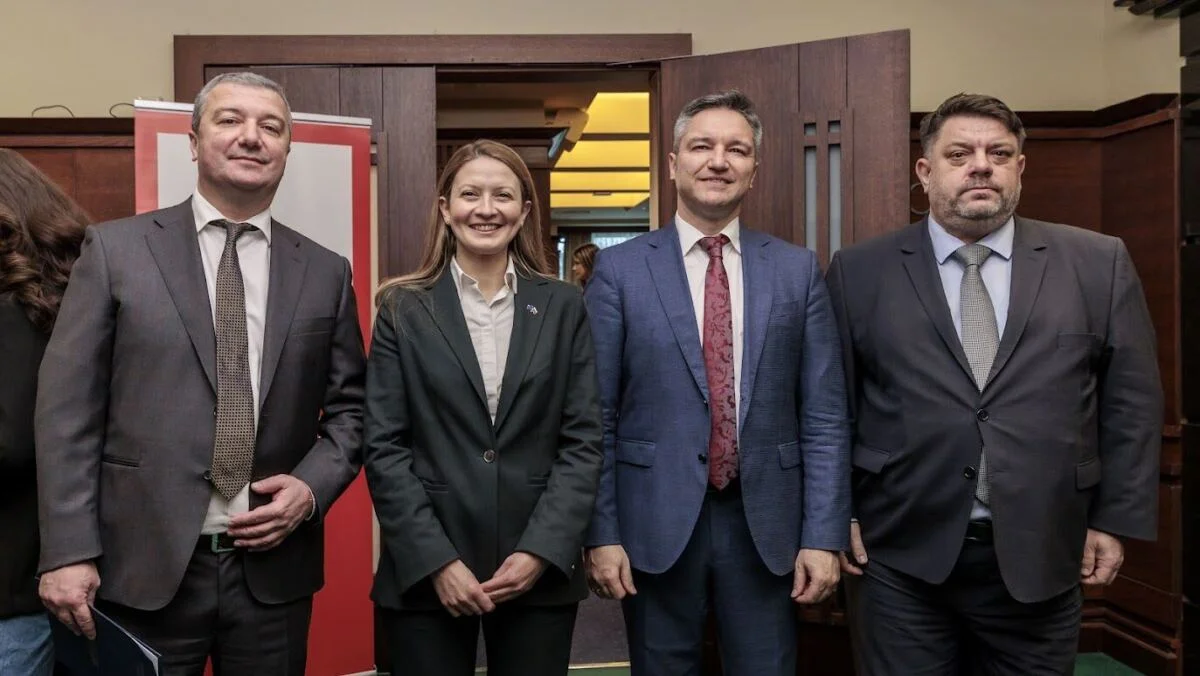
Bulgarian MEPs from the Group of the Progressive Alliance of Socialists and Democrats Kristian Vigenin and Tsvetelina Penkova called on Bulgaria to fight for a strong, fair and social European budget. The delegation of Bulgarian Socialists in the European Parliament organised a public discussion on the topic “Bulgaria and the new European budget 2028-2034: goals and opportunities.”
Iliana Iotova’s position
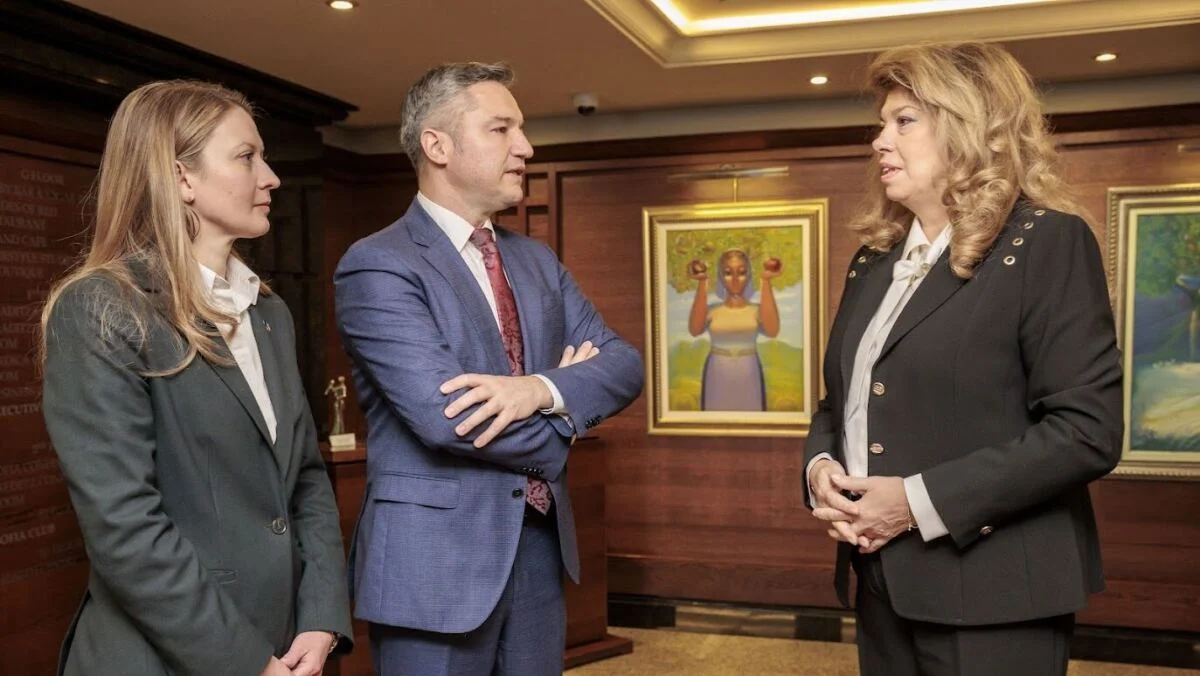
The forum was opened by the Vice-President of the Republic of Bulgaria Iliana Yotova, who commented that the European Commission has proposed the riskiest budget for the next seven years. “Bulgaria has to have a position on the new budget, on its new philosophy and on the distribution of money. Unfortunately, no such conversation is taking place here at the moment. And Bulgaria is of key importance for the development of South-East Europe,” she said.
Iliana Yotova stressed the criticism from a number of European governments of the budget presented by the EC. The strongest criticism, including from the agricultural sector, is directed at the proposal to merge the funds for the Common Agricultural Policy and the cohesion funds, which would have a bad effect on regional development in Europe. The Vice-President also emphasised the proposal to link the receipt of EU money to respect for the rule of law. She stressed the risks of introducing such an approach.
What Bulgaria must stand up for
“Bulgaria has to stand firm on increasing cohesion funding, on regions’ direct access to finance and on equal treatment of farmers in the new European budget 2028-2034,” underlined Deputy Prime Minister and chairman of the National Council of the BSP Atanas Zafirov during the discussion. He expressed concern at the projected fall in the cohesion funds, which threatens regional development and European solidarity, stressing that shrinking the funding is a political message of “everyone fend for yourself”. Zafirov also warned that merging more than 500 programmes into a single national plan could weaken regional autonomy and make decisions dependent on the political conjuncture.
“The new proposal for the EU’s Multiannual Financial Framework for the 2028-2034 period provides for a nominal increase, but without a real rise in ambition,” said the head of the Delegation of Bulgarian Socialists in the European Parliament Kristian Vigenin. He expressed concern at the erosion of traditional policies that are vital for citizens: the cohesion funds and the Common Agricultural Policy. In Vigenin’s view the social priorities have to be more visible: fighting poverty, support for quality jobs, investment in public services, housing policy and young people.
“The restructuring of the Common Agricultural Policy in the new MFF creates uncertainty. Direct payments will probably be kept, but other forms of support, rural development, investment, eco-schemes, will be able to be redirected into other instruments, which would reduce support for farmers,” Vigenin believes. He emphasised that this is unfair and unacceptable, because agricultural producers face higher environmental and market requirements while being offered less support.
The MEP stressed that Bulgaria is among the biggest beneficiaries of European funds and that this money is key for infrastructure, regional development, rural areas and the green transition. That is why our country has to defend early and actively a strong cohesion policy, stable funding for agriculture, full convergence of direct payments and fair compensation for the green requirements.
Tsvetelina Penkova on the new budget
Tsvetelina Penkova stressed that the EU’s new seven-year budget is a strategic choice that will determine the direction of development of the EU and Bulgaria over the next decade. “This is not simply a financial document, but a political decision about the model of our future. The European Commission’s proposal raises two key questions, the future of regional policy and the role of energy as a strategic sector,” she stressed. Penkova warned that regional policy is under substantial pressure because of the new model of allocating money through National and Regional Partnership Plans, with the merging of topics and stronger centralisation changing the established logic of funding. She outlined four main risks: the reduced share for cohesion, below 11%, excessive centralisation, limits on the autonomy of regions and municipalities, and the possibility of funding being blocked for political reasons.
Penkova noted that for the first time energy security and industrial policy are treated as a single framework in the European budget. “For the first time there will be targeted money for building new nuclear capacity and for training staff in the sector. This is the result of years of effort we put in at the European Parliament,” she explained. Penkova insisted that Bulgaria defend priority funding for modernising the electricity transmission grid, building storage facilities and expanding nuclear capacity, stressing that the new financial instruments have to reach the regions and industries that need them most.
Penkova stressed that Bulgaria enters the negotiations with strong arguments and broad support, and that its allies are not limited to Central and Eastern Europe, but include partners from across the EU.
“The proposed increase in the overall European budget and the guarantees of support for less developed regions give us the chance to keep and even increase the resources directed at north-western Bulgaria, the Rhodopes, the northern central region and all the territories that need more incentives to accelerate economic and social development,” said the Minister of Regional Development and Public Works Ivan Ivanov.
The views of institutions and local government
The deputy chairman of the National Council Dragomir Stoynev stressed that the EU’s new financial framework is a question not only of size, but of direction and of protecting the national interest. He warned that a real reduction in the money for cohesion and agriculture is taking shape and that Bulgaria therefore has to defend its positions actively in the negotiations.
The mayor of Gotse Delchev and member of the delegation to the Committee of the Regions Vladimir Moskov stressed that the cohesion funds are very important for the development of municipalities, but warned that the new national investment plans carry a risk of centralisation and of weakening their role.
The Deputy Minister of Labour and Social Policy Ivan Krastev warned that merging the European funds threatens territorial cohesion and strips the European Social Fund of its identity.
The discussion was attended by representatives of the administration of the Council of Ministers and of the Ministry of Finance responsible for European programming, as well as representatives of the academic community.
The participants discussed the upcoming changes, the strategic priorities and Bulgaria’s position in shaping the new European budget policy. MEPs Tsvetelina Penkova and Kristian Vigenin declared their commitment to defending Bulgarian interests in the upcoming European negotiations, with a focus on a strong cohesion policy, support for agriculture, social policies and investment for regional development.
More News
18/10/2026