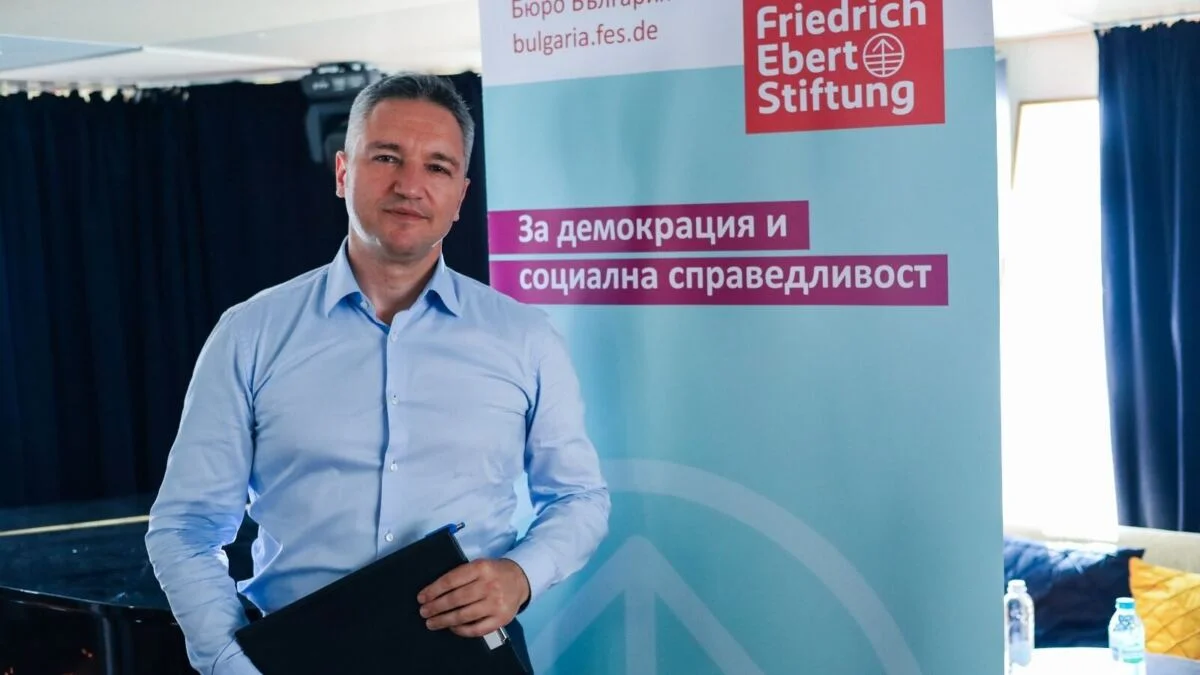
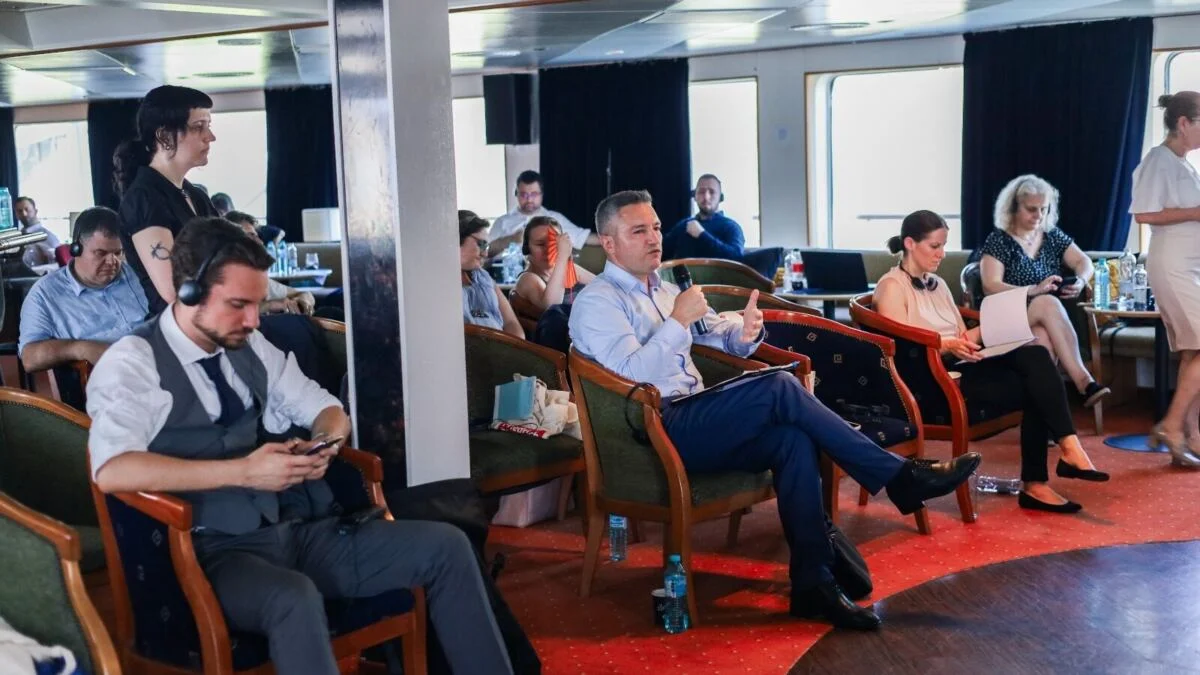
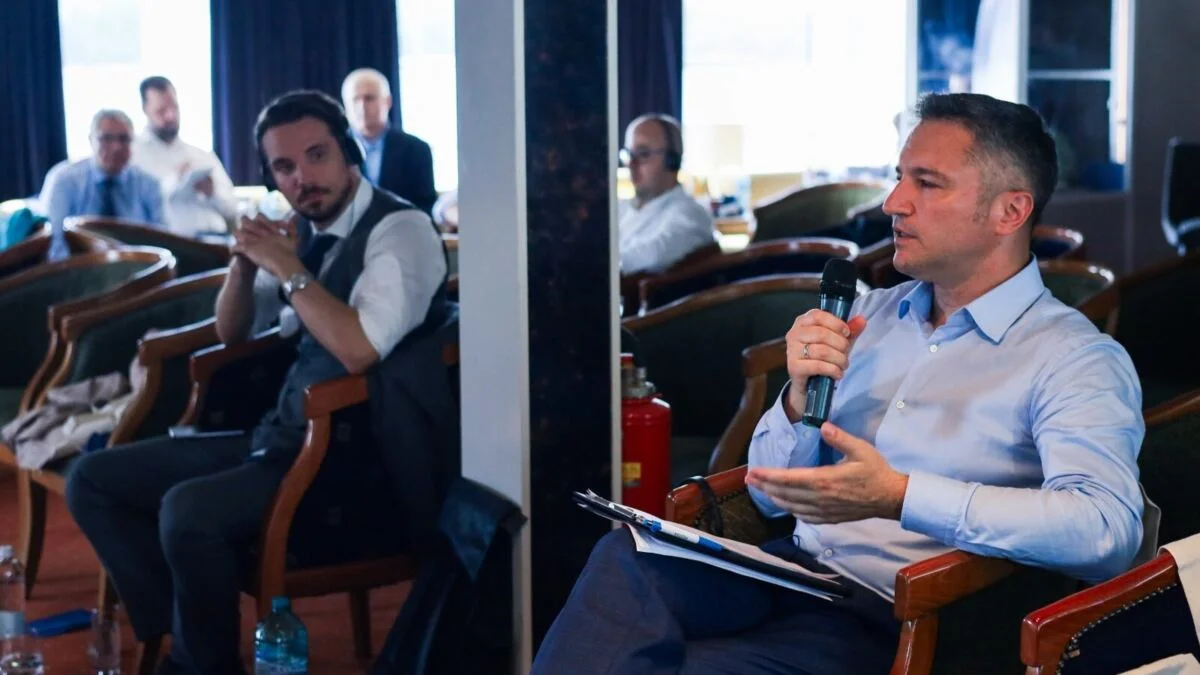
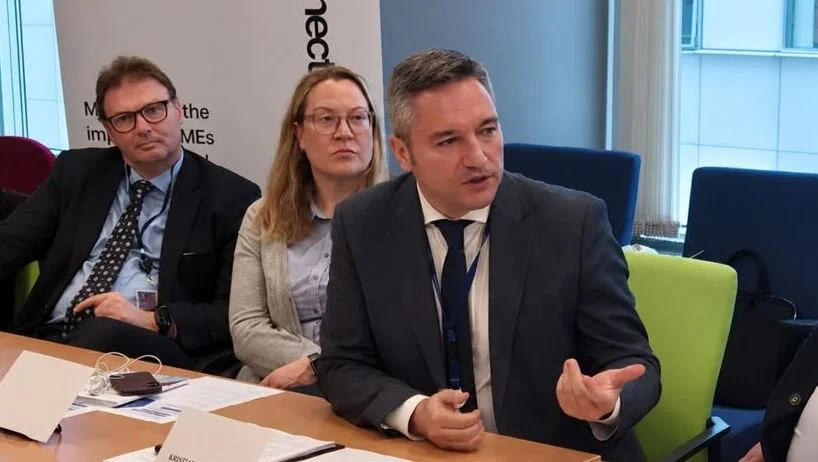
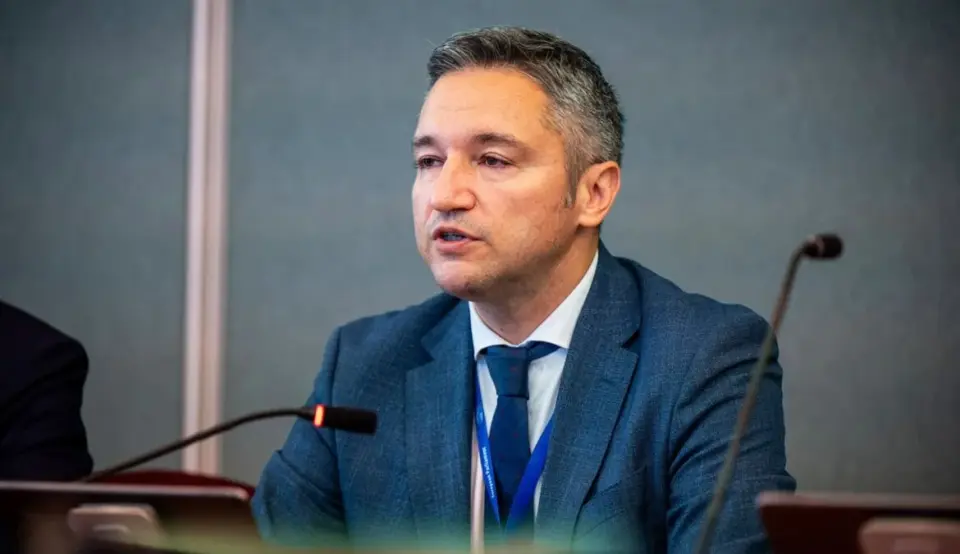
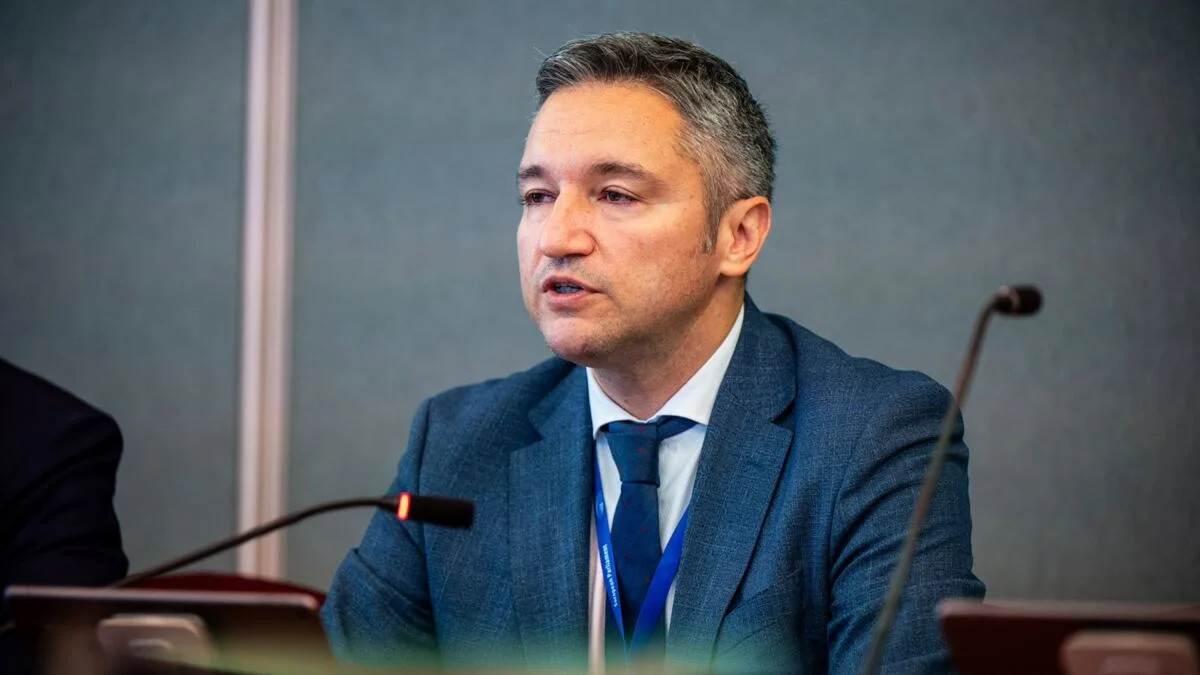
“It is time for Bulgaria and Romania to start acting on a bigger scale and to look more to the future. We still see the Danube not as a river that connects us, but as a periphery that divides us. That is where much of the problem with joint initiatives comes from. We should not look for funding piece by piece, but jointly propose a strategic concept for the development of the Lower Danube.” This was stated by Bulgarian MEP Kristian Vigenin during the international conference “Common River, Common Security” in Ruse.
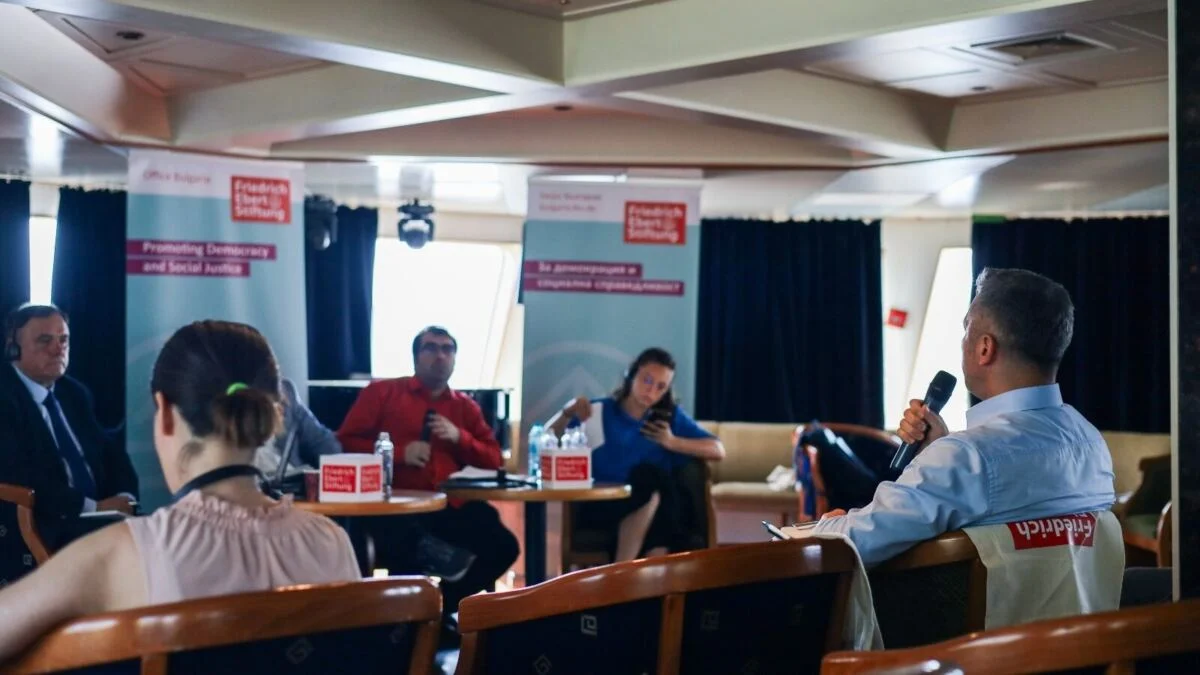
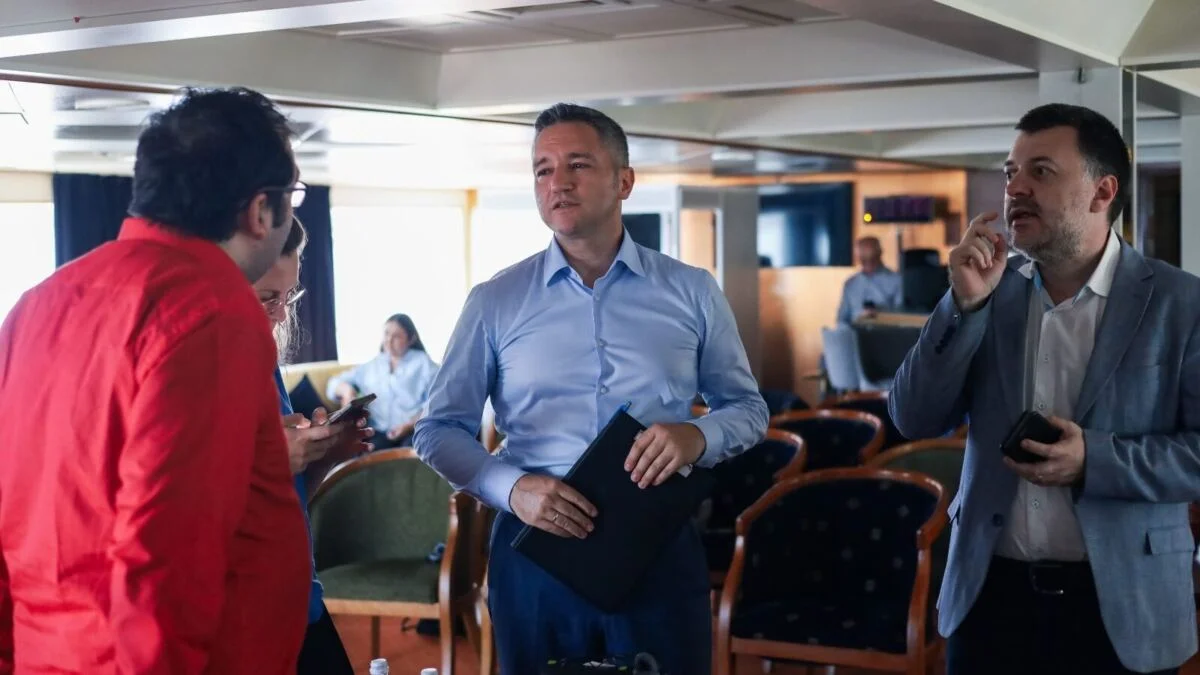
The forum was organised by the Sofia and Bucharest offices of the Friedrich Ebert Foundation to mark Danube Day, and brought together representatives of institutions, diplomats, politicians, experts and academics from Bulgaria and Romania on board a ship in Ruse. The discussion focused on the strategic importance of the Lower Danube for security, connectivity, economic development and European resilience.
The right moment for joint action
According to Vigenin, the moment is particularly right for such a conversation, because the Danube and the Black Sea are becoming increasingly important for European security. “With the future enlargement of the European Union, the Black Sea will almost become an inland sea of the Union. We must take this into account as well,” he pointed out.
Decades of talks without results
The MEP pointed out that despite decades of talks, Bulgaria and Romania are still lagging behind in delivering joint infrastructure projects. “It really is inexplicable how for so many years we have failed to carry out serious infrastructure projects together along the Danube. Yes, we do many things together, but when it comes to the big projects, nothing seems to happen. It seems that now is the moment to reverse this trend,” he told the audience.
The EU’s next long-term budget
In his words, the active debate on the EU’s next seven-year budget opens an opportunity for Bulgaria and Romania to come up with a common strategic vision for the region. “The discussion is not only about how much money will be set aside, but about the future of Europe’s competitiveness and security. Our two countries can fit very well into this conversation, not only as consumers of ideas, but as countries that jointly propose a strategic project for the Lower Danube,” Vigenin recommended.
He called on the two countries to look beyond traditional infrastructure projects and jointly plan the region’s future digital infrastructure: “We are still talking mainly about railways and bridges, and we don’t seem to have time to see how fast the future is coming: artificial intelligence, data centres, new digital infrastructure. As the saying goes, the cable runs alongside the road. We still don’t have enough roads, but we also need to think about the cable.”
Initiatives of the Bulgarian Socialists in the EP
Vigenin recalled that the Delegation of Bulgarian Socialists in the European Parliament has an office in Ruse precisely because of the Danube’s strategic importance. He highlighted an idea he has already presented at the University of Ruse: that the Danube should be seen as a technology highway along which Europe’s new digital infrastructure can develop. “Why not, for example, propose a large European data centre as a joint project of Bulgaria and Romania? At the moment, AI infrastructure is developing mainly in Western Europe and will continue to develop there if we do nothing,” Vigenin said, outlining the approach that works. According to the MEP, the future of the region requires more ambitious thinking and overcoming national egoism.
In conclusion, Vigenin stressed that the good cooperation between Bulgarian and Romanian socialists in the European Parliament must also be carried over to intergovernmental level. “Without active work between the governments, we will not succeed. Otherwise we will remain a lagging region where things happen only when it suits the big Western European countries. This trend must be reversed,” Kristian Vigenin believes.