Kristian Vigenin: The Critical Medicines Act has to be flexible and fair to the smaller member states
04/09/2025
Vigenin: With the investment in defence we are not preparing for war, we are making war impossible
10/09/2025
Kristian Vigenin: The Critical Medicines Act has to be flexible and fair to the smaller member states
04/09/2025
Vigenin: With the investment in defence we are not preparing for war, we are making war impossible
10/09/2025
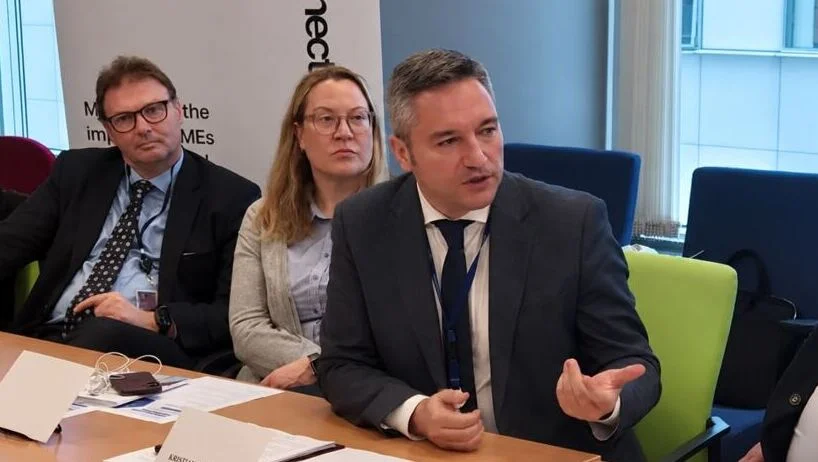
Vigenin: An Artificial Intelligence Agency with headquarters in Sofia should be created
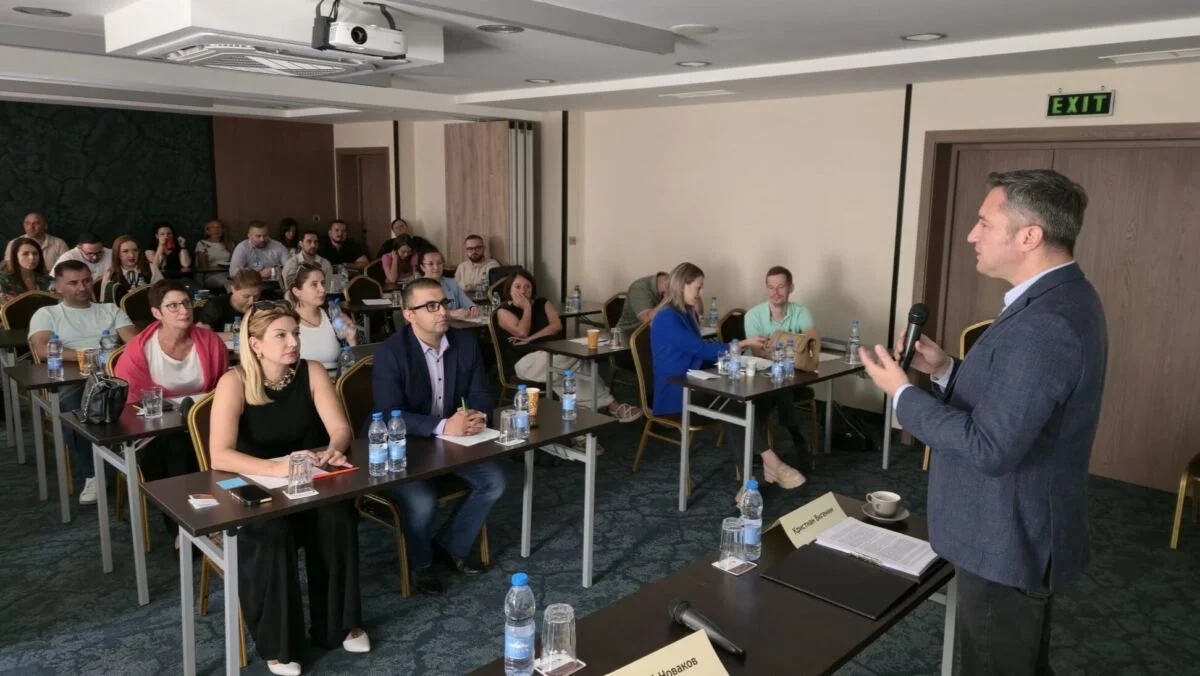
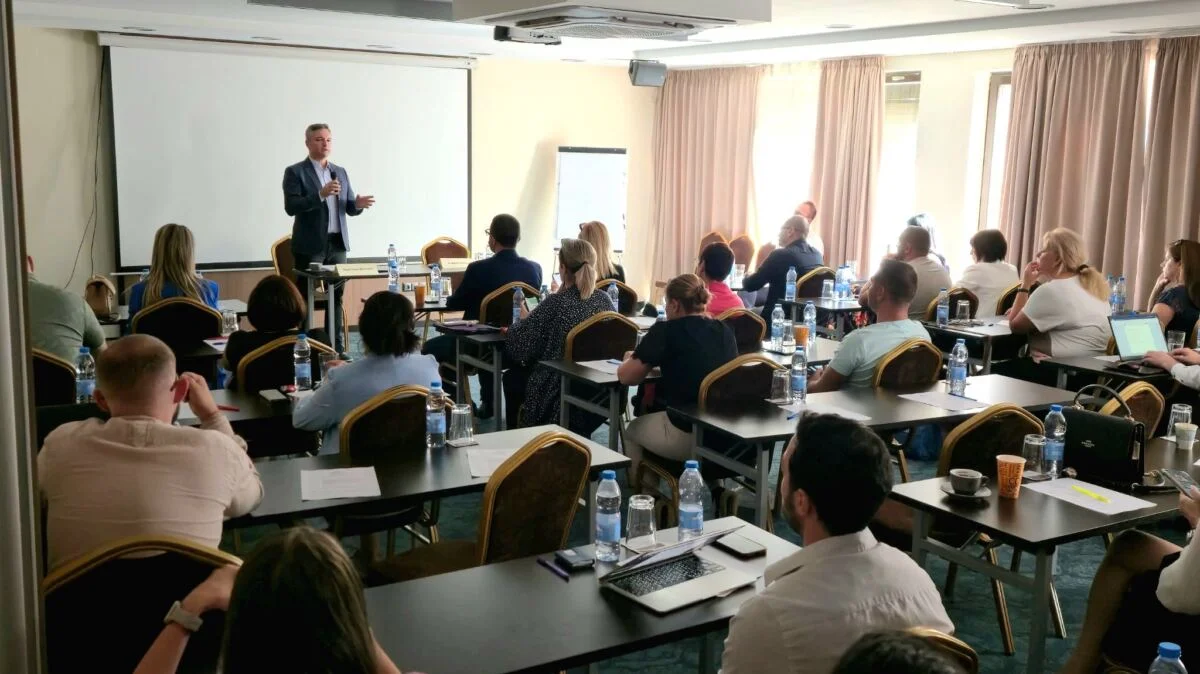
“The role of the European Parliament in regulating and developing artificial intelligence and protecting personal data” was the topic Bulgarian MEP from the Group of Socialists and Democrats in the EP Kristian Vigenin chose to discuss with the participants in the latest edition of the Dimitar Panitsa School of Politics. He discussed with them the opportunities AI creates, the flaws and errors it multiplies, the risks for the intellectual development of children and the threats to civil rights. The participants raised the question of its use for criminal activity and of the vulnerability to cyberattacks with global consequences.
Kristian Vigenin introduced the participants in the discussion to the European Artificial Intelligence Act (AI Act), the first comprehensive legislation on artificial intelligence in the world. The act entered into force on 1 August 2024, with phased application: the prohibitions started to apply from 2 February 2025; the rules for general purpose systems from 2 August 2025; and the full package for high-risk systems will be applicable by 2026 to 2027, depending on the category.
Asked what is prohibited to do with AI in the European Union in order to protect citizens rights, the MEP answered: “Among the unacceptable practices are the use of subliminal or manipulative techniques to distort behaviour and limit informed choice, as well as the exploitation of vulnerabilities related to age, disability or socio-economic circumstances. It is unacceptable to exploit biometric categories that draw conclusions about sensitive personal characteristics, and the social scoring of people on the basis of behaviour or personal traits is not allowed. Predicting criminal risk solely on the basis of personality traits is prohibited, as is creating facial recognition databases through mass and indiscriminate collection of images.”
Biometric surveillance and Bulgaria’s role
Kristian Vigenin drew attention to one of the most sensitive topics: real-time biometric surveillance in public spaces. “The AI Act puts it under heavy restrictions even for the police, only for strictly defined purposes, after prior judicial authorisation, with an impact assessment on fundamental rights and entry in a public register. This is not a minor piece of legal technique, this is a barrier against turning a free society into a society of constant surveillance,” he pointed out.
The MEP noted that the American technology sector is insisting on a “pause” in the application of the act, warning that it may even withdraw entirely from the European market if it cannot meet its requirements. “There is political pressure too. The administration of President Trump announced an AI Action Plan in 2025, which proclaims deregulation and freedom from bureaucracy, and at the same time attacks the European digital rules as brakes on innovation. There are calls for the United States to press the EU to delay or soften the rules for advanced models. On the Digital Services Act it even came to threats of sanctions and tariffs against countries with discriminatory rules. This clash is not only about trade, it is a fight to protect fundamental civil rights,” Vigenin commented.
He expects Bulgaria to be one of the member states that will lead and shape European Union policy on the subject. “We have the infrastructure in place, both technological and in terms of expertise, but we also have to take into account that we are among the three countries in the EU with the lowest uptake of AI in economic activities. The more I work on the problems of AI and its impact on people, the more convinced I become that the EU has to create an Artificial Intelligence Agency, an idea we put forward back in the election campaign. We propose, of course, that it be headquartered in Sofia,” Kristian Vigenin proposed in conclusion.