19/10/2026
MEPs, institutions and business discuss the future of the Danube region in Ruse
25/05/2026
Vigenin on Sarafov’s resignation: A different wind is blowing, but real judicial reform is yet to come
28/05/2026MEPs, institutions and business discuss the future of the Danube region in Ruse
25/05/2026Vigenin on Sarafov’s resignation: A different wind is blowing, but real judicial reform is yet to come
28/05/2026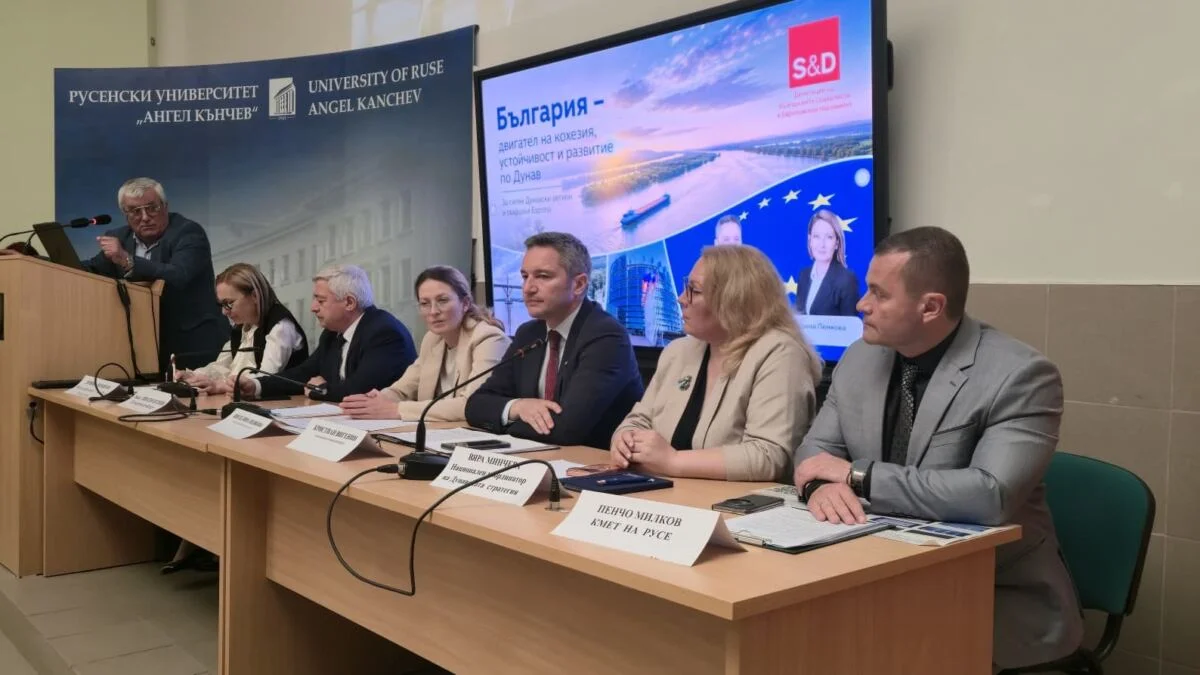
Vigenin and Penkova: Bulgaria must turn the Danube into a driver of development and security
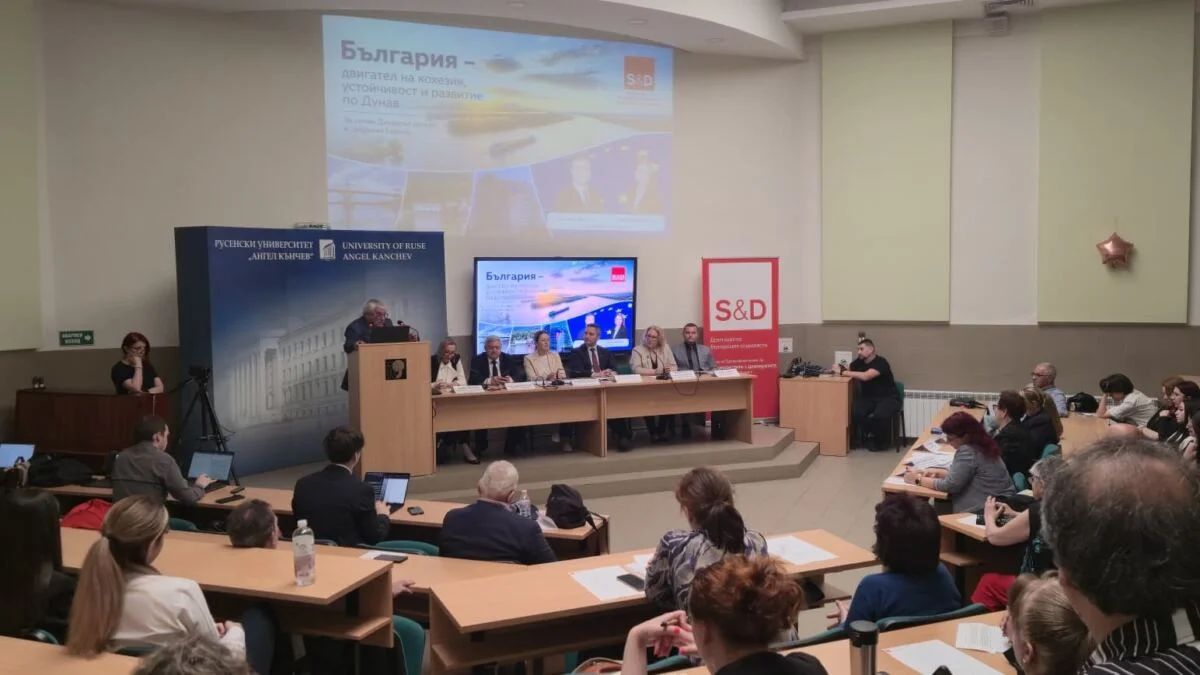
The Delegation of Bulgarian Socialists in the European Parliament held a discussion in Ruse on the development of the Danube region
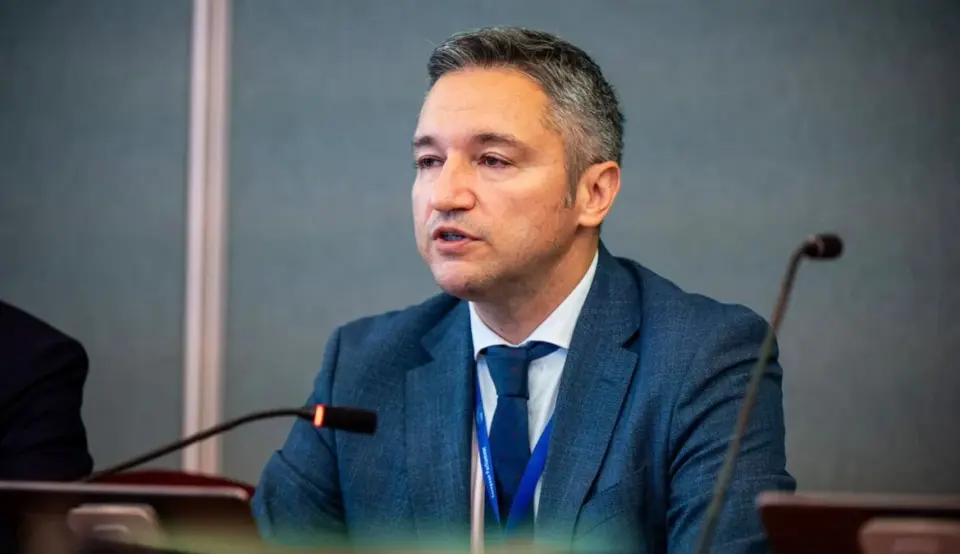
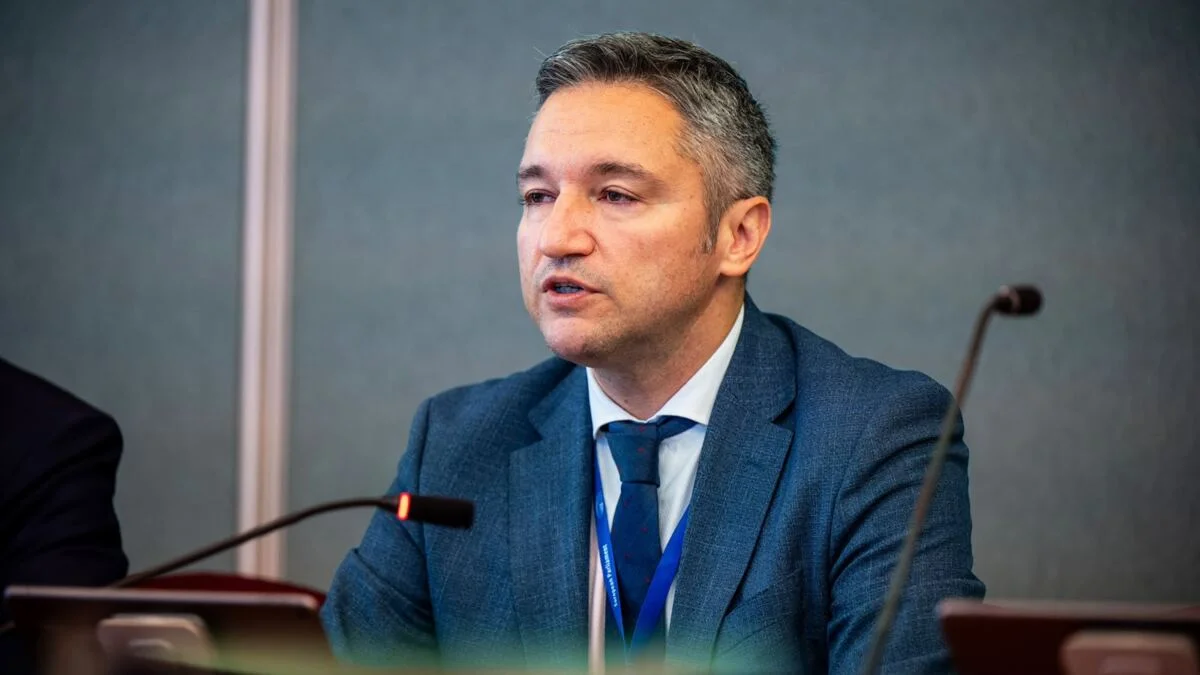
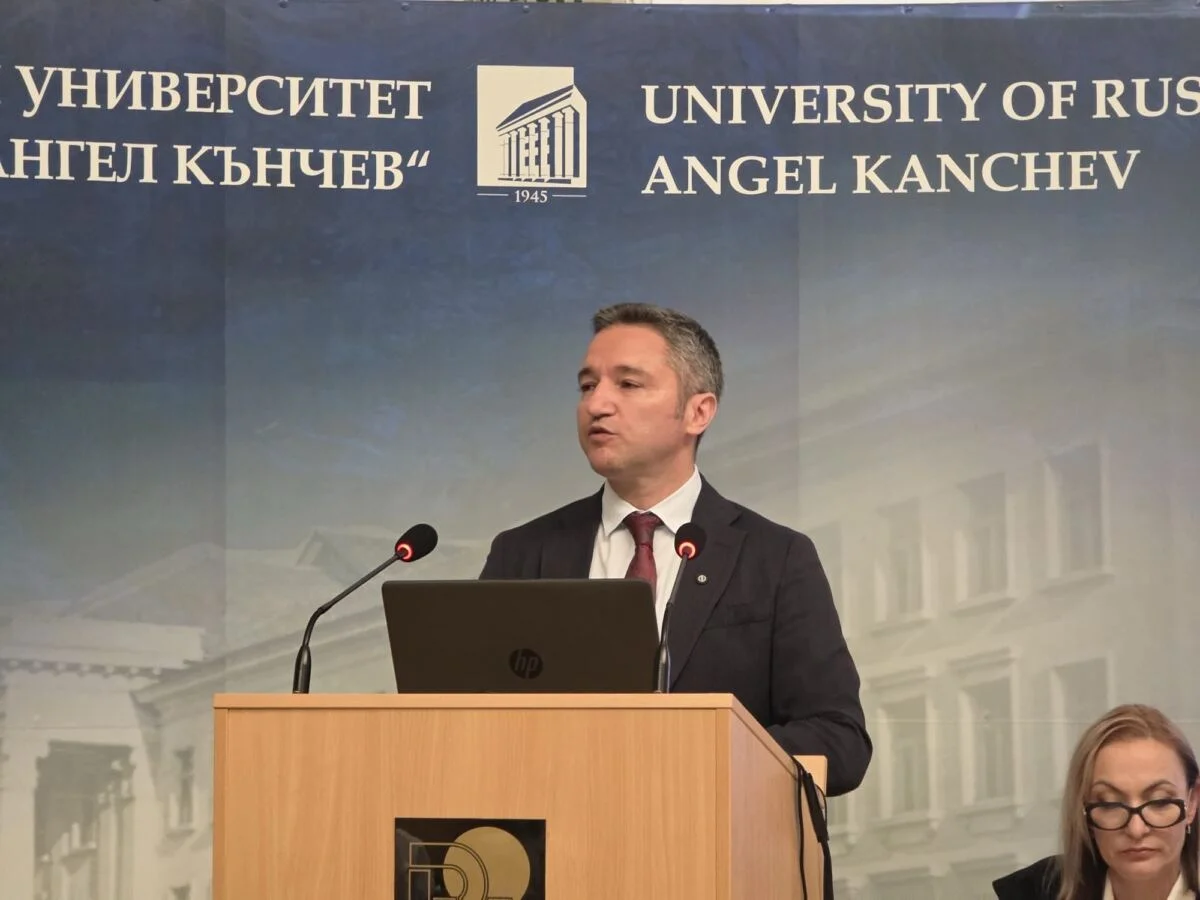
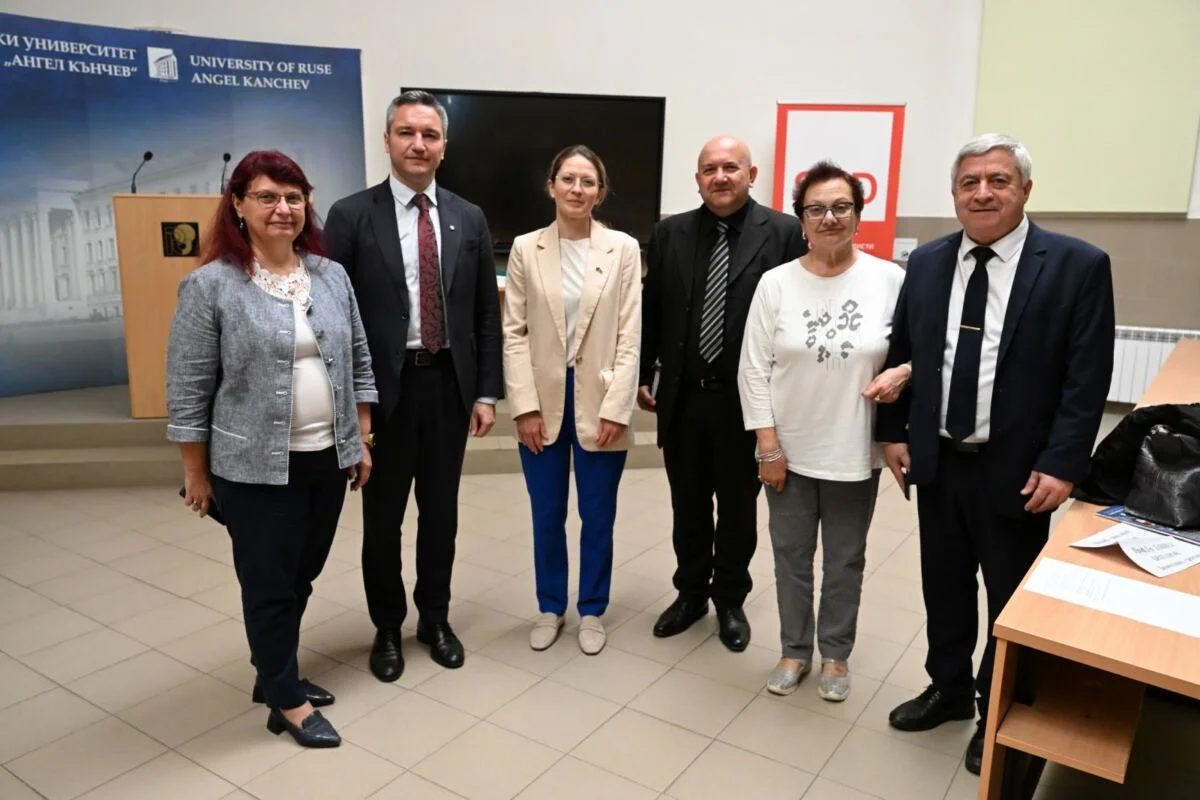
“The Danube region has the potential to be not a periphery, but one of the drivers of Europe’s future economic, technological and infrastructure development.” This was stated by MEP Kristian Vigenin from the Group of the Progressive Alliance of Socialists and Democrats when opening the discussion “Bulgaria: a driver of cohesion, resilience and development along the Danube” at the Angel Kanchev University of Ruse. The event was organised by the Delegation of Bulgarian Socialists in the European Parliament.
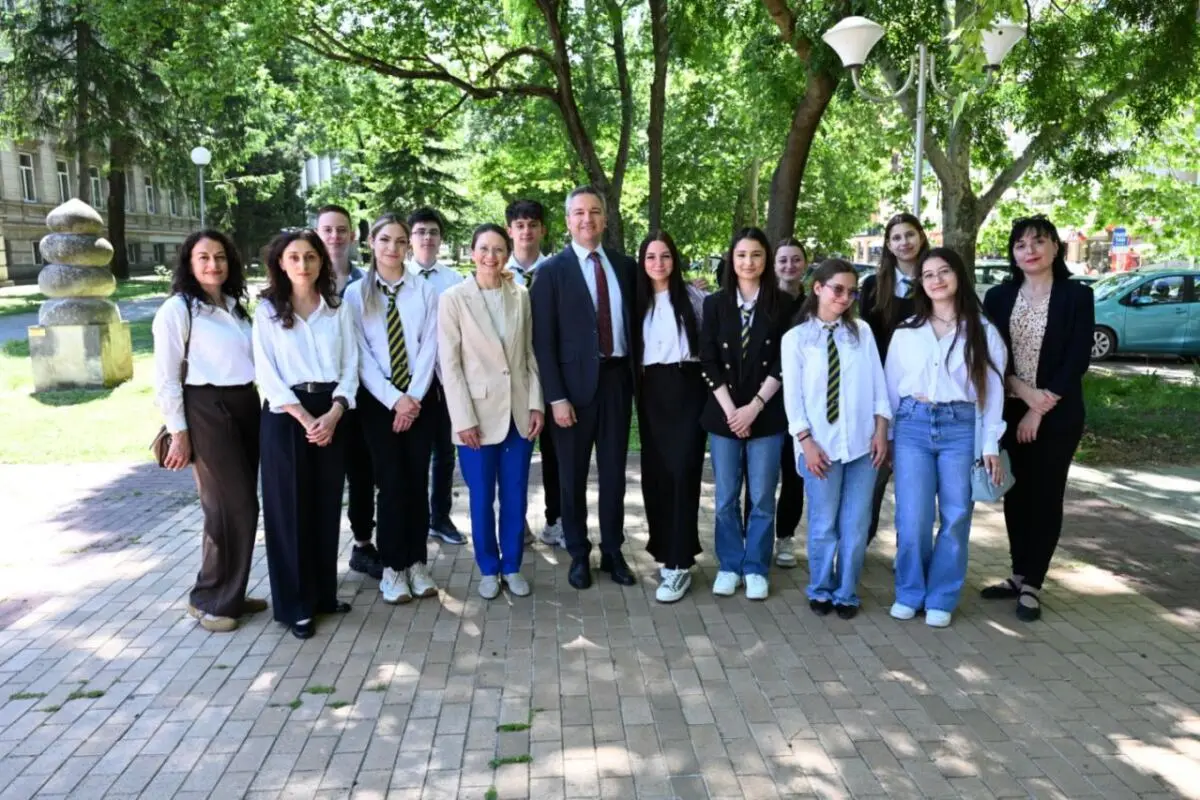
The forum took place in the context of Bulgaria’s 2026 Presidency of the EU Strategy for the Danube Region and brought together representatives of the European institutions, local and national government, business, academia and regional development experts. Students and pupils from European Parliament Ambassador Schools also attended.
According to Vigenin, Bulgaria must actively defend the interests of the Danube region in the discussions on cohesion policy in the EU’s next Multiannual Financial Framework. He emphasised connectivity between the Danube and Black Sea regions: “Connectivity along the Danube – Black Sea axis is no longer just a matter of transport and trade, but increasingly a matter of security.” The MEP noted that the Danube region has the potential to become part of Europe’s new technology map by developing data centres and AI infrastructure. “These technologies need secure energy and cooling, advantages that Bulgaria and the region can offer if the Belene NPP project is revived. This is not a distant vision, but a real opportunity if we have strategic thinking and long-term goals,” he stressed.
In conclusion, Vigenin said that the success of Bulgaria’s Presidency of the Danube Strategy will not be measured only by the number of conferences held, but by whether the country manages to put important issues on the European agenda and give impetus to real solutions.
Real results from the Bulgarian presidency
“Bulgaria’s 2026 Presidency of the Danube Strategy must leave real results: more connectivity, more investment, a stronger role for the regions and better use of Northern Bulgaria’s potential.” This was stated by BSP MEP Tsvetelina Penkova. In her words, Ruse and Northern Bulgaria have huge potential, but also serious demographic, infrastructure and economic challenges. “We cannot talk about real economic development if parts of the EU keep lagging behind,” Penkova stressed. She highlighted the key role of cohesion policy for the region’s growth and the socialist MEPs’ fight against the proposal to shrink it from the current one third of the EU budget to 11%.
According to the MEP, energy connectivity is key. “As the European Parliament’s lead negotiator on the Trans-European Energy Infrastructure Regulation, I am working to ensure that Bulgaria takes a leading role in building the new energy corridors. For our country this means lower electricity prices, more investment and industrial development,” Penkova pointed out.
What the forum participants said
The Honorary Rector of the University of Ruse, Acad. Hristo Beloev, stressed the university’s long-standing commitment to the Danube Strategy and international cooperation in the region. He expressed the university’s readiness to keep taking an active part in future initiatives related to the development of the Danube and Black Sea regions.
The Mayor of Ruse, Pencho Milkov, emphasised the Danube’s strategic importance for transport connectivity, industry, science and European security. In his words, Bulgaria is not making enough use of the potential of transport corridors No. 7 and No. 9. Pencho Milkov stressed the need to speed up infrastructure development, including building a second bridge at Ruse, and the importance of human capital and education for the region’s development.
Bulgaria’s National Coordinator for the Danube Strategy, Vyara Mincheva from the Ministry of Regional Development and Public Works, said that a key priority of the Bulgarian Presidency is to strengthen the focus on cohesion and transport connectivity. “We want to show that macro-regional cooperation is a real tool for development and convergence,” she said, stressing the importance of the Danube Strategy for reducing regional disparities and for future EU policies.
The Vice-Rector of the University of Ruse, Prof. Dr Daniel Bratanov, emphasised the role of education as an important investment in the development of Northern Bulgaria. He noted the region’s serious infrastructure and demographic problems and stressed that the Danube Strategy offers opportunities to develop research infrastructure, new technologies and highly qualified staff.
Arch. Silvia Alexieva stressed the need for the Danube Strategy to deliver real and visible results. Alexieva highlighted the importance of shipping as a European priority and recalled the idea of building a Ruse – Varna canal as a strategic project of potential importance for the whole European Union.
The Rector of the University of Ruse, Prof. Dr Desislava Atanasova, stressed the importance of the Bulgarian Presidency as an opportunity for the country to show its ability to work together with European partners and to put the region’s real problems at the centre of the European debate.
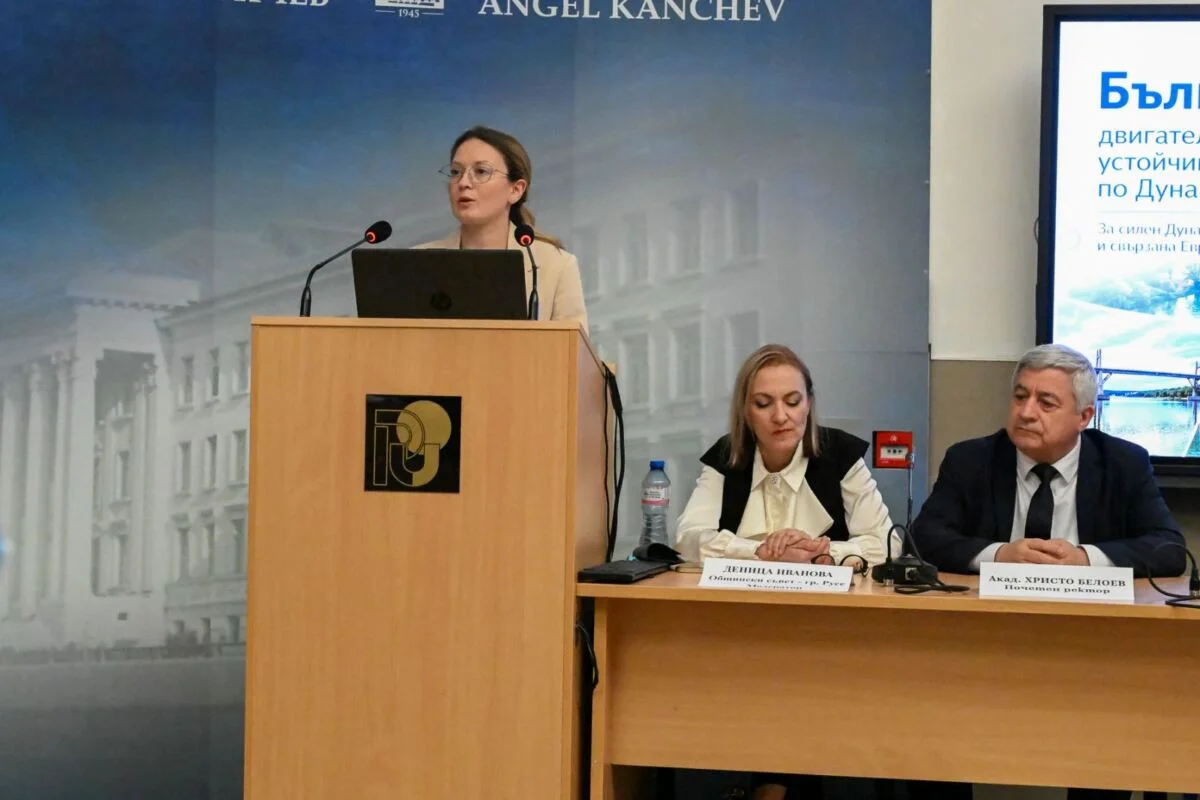
The discussion was moderated by BSP municipal councillor Denitsa Ivanova. In conclusion, participants agreed that Bulgaria must more actively defend the Danube region as a strategic priority for connectivity, cohesion and development in the EU.
A new “Danube” information office
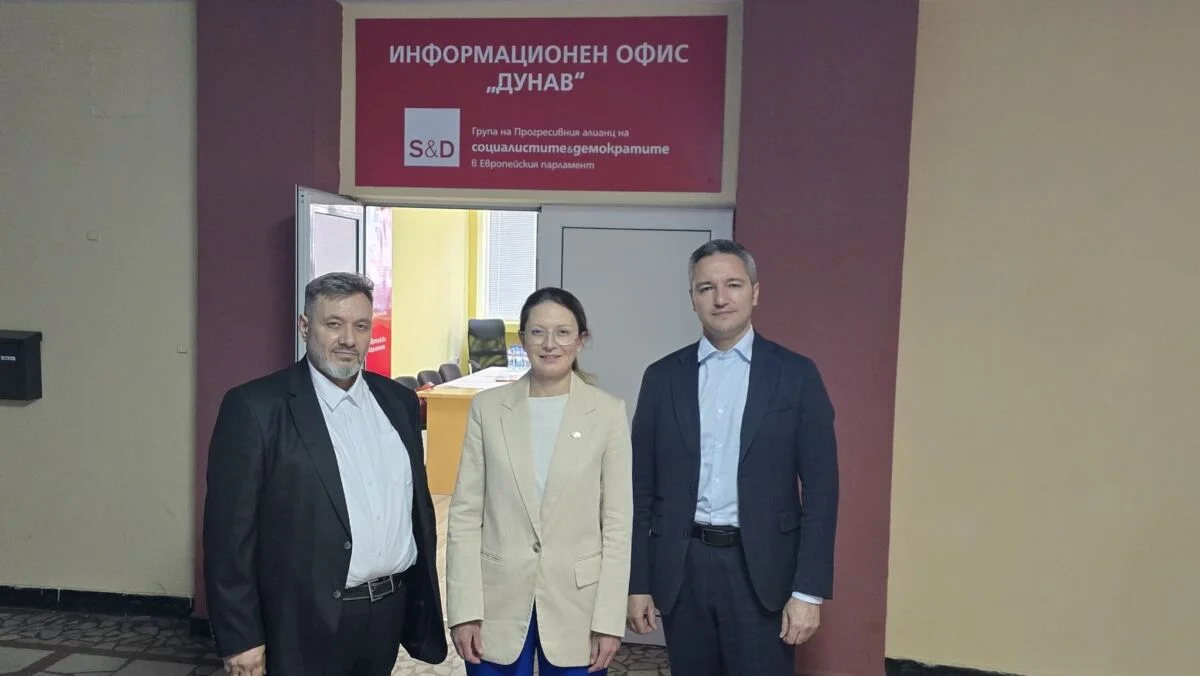
Kristian Vigenin and Tsvetelina Penkova also opened the renovated “Danube” information office of the Delegation of Bulgarian Socialists in the EP. It will work for a more active dialogue with citizens, local government, business and academia on the development of the Danube region and European policies.
More
News
18/10/2026