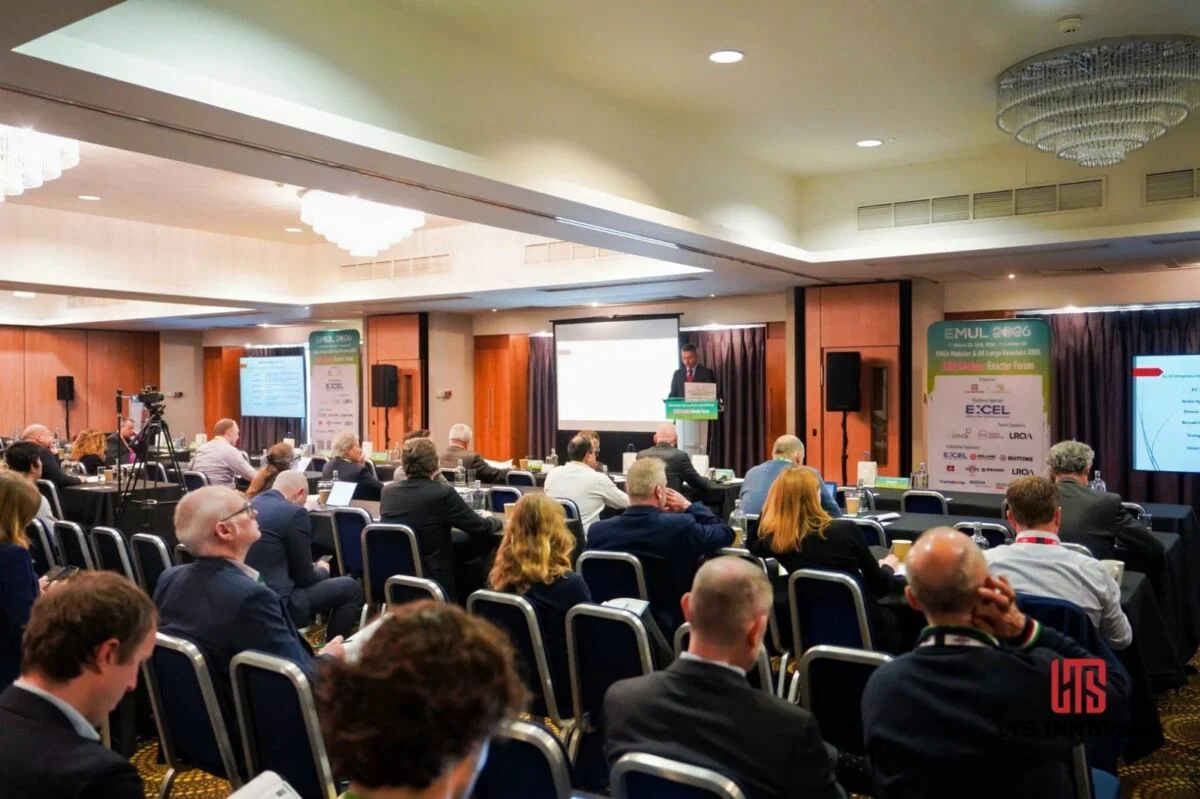
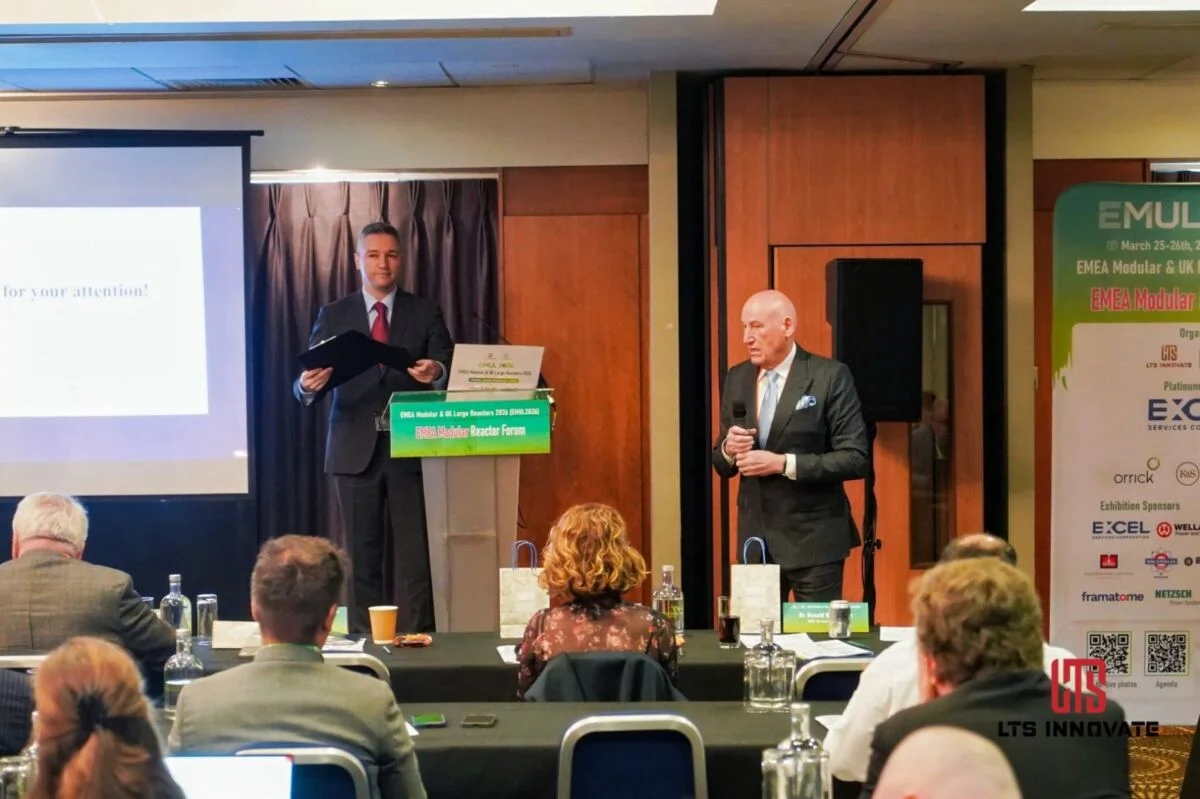
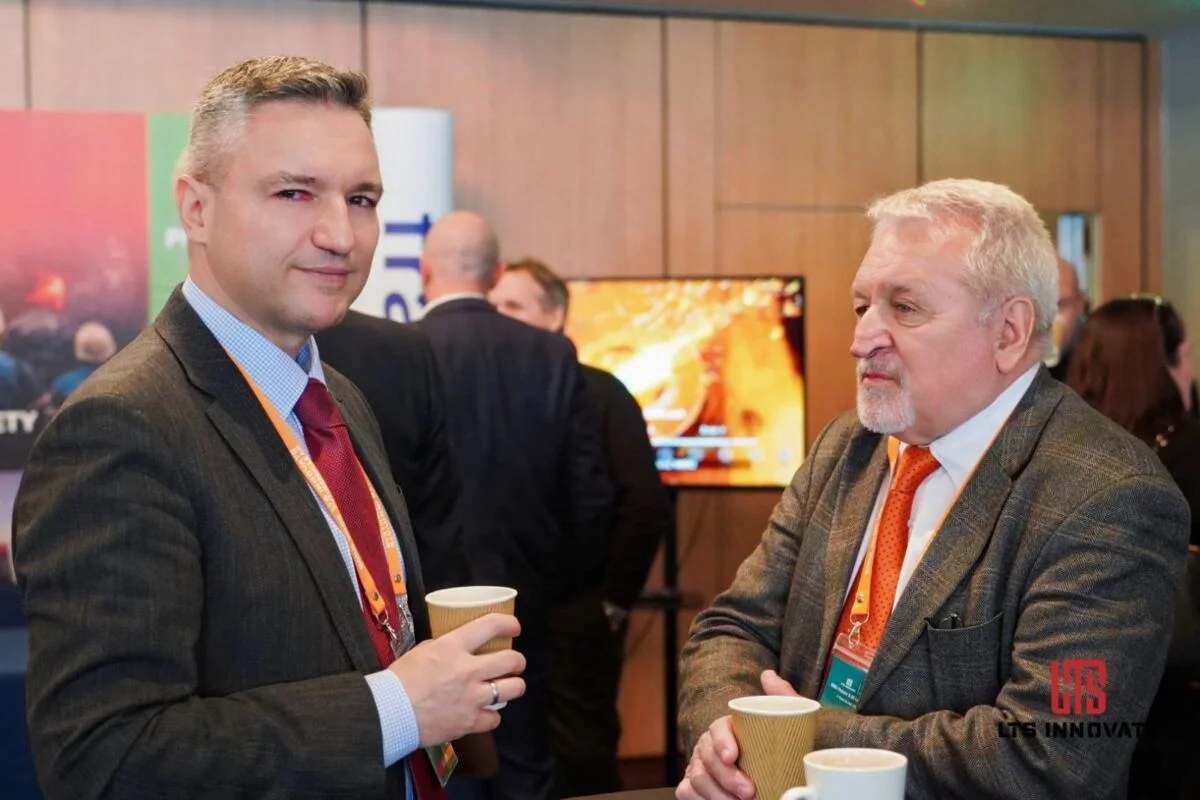
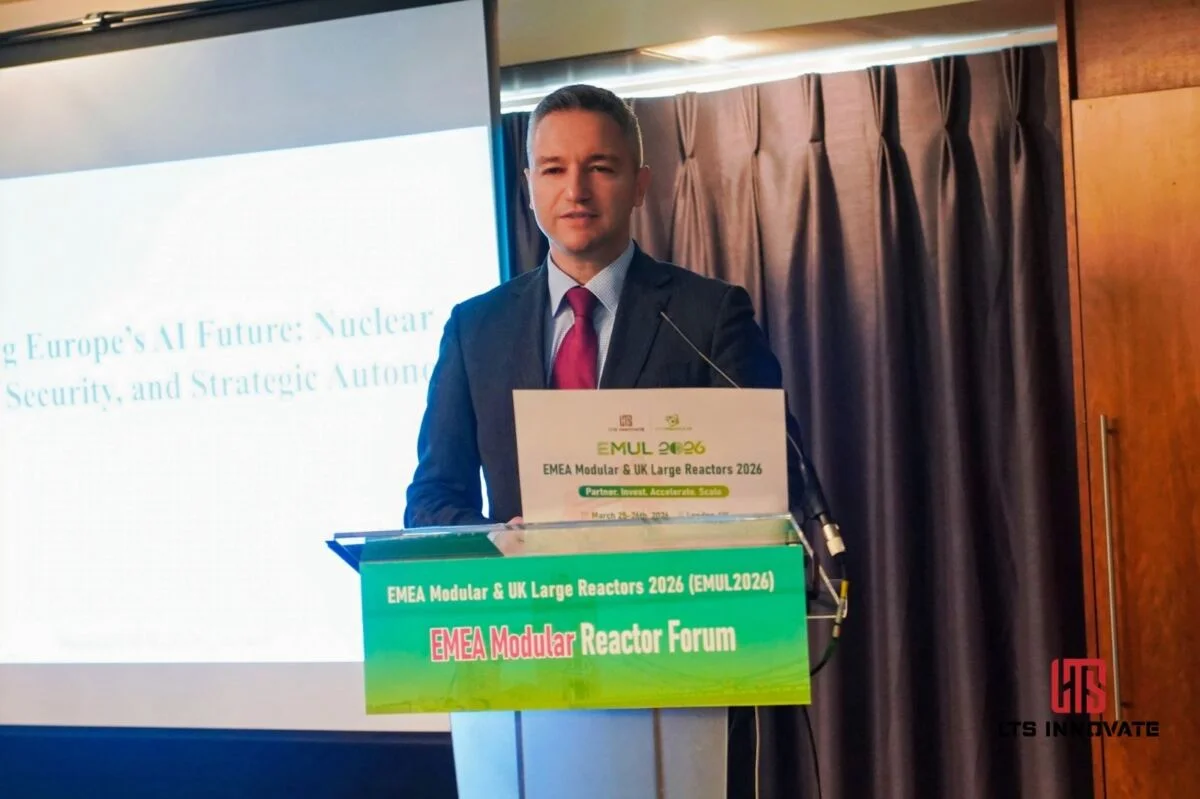
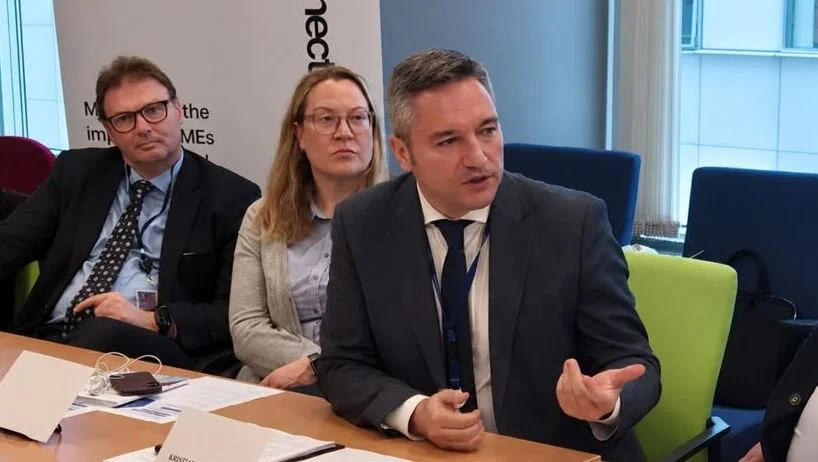
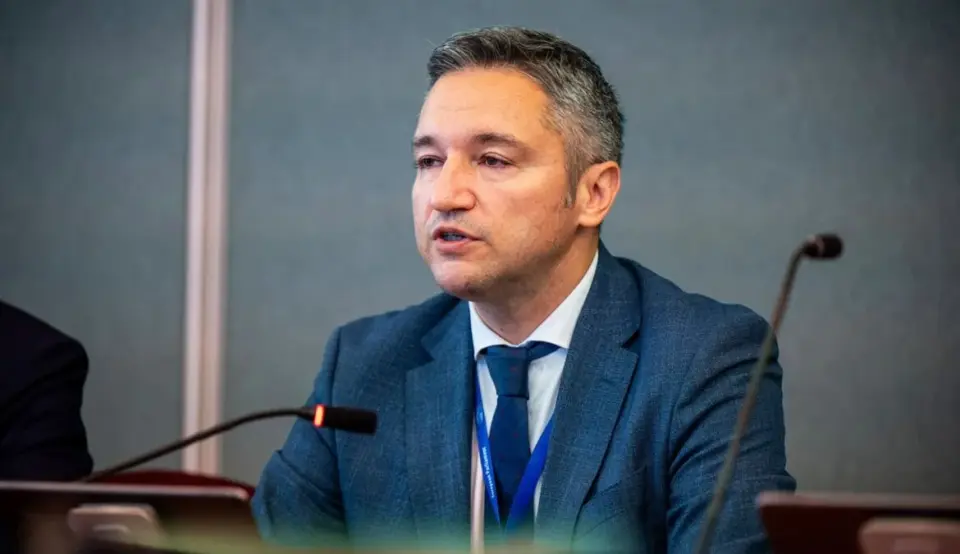
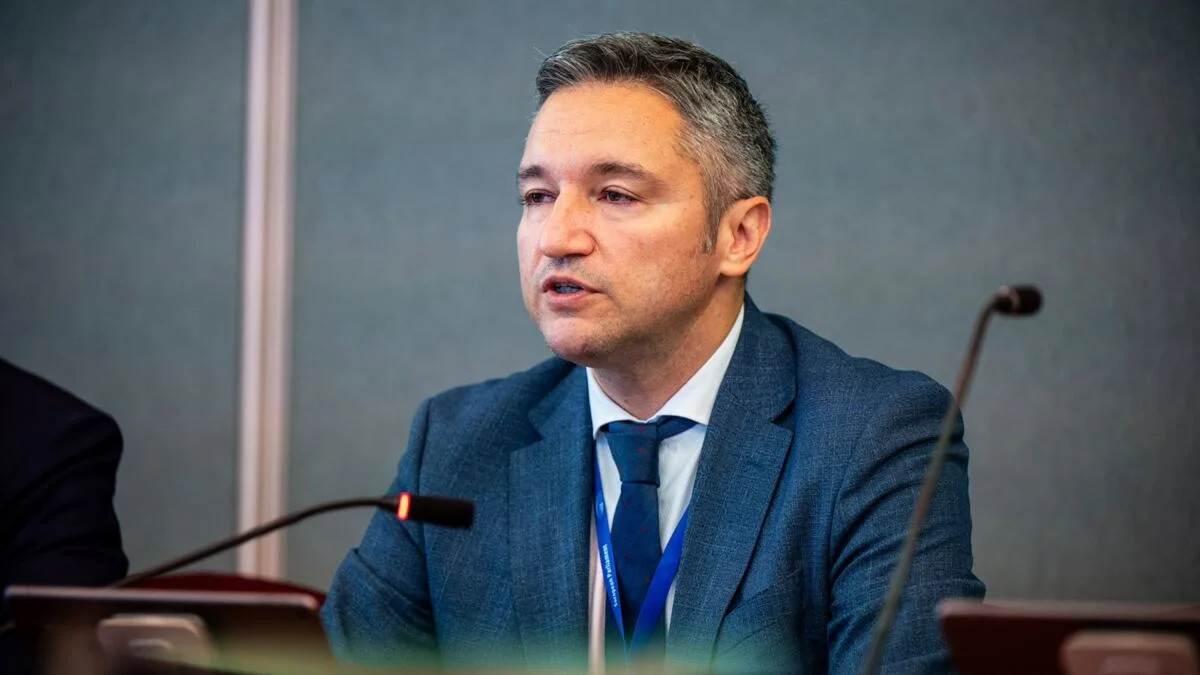
“Nuclear energy and artificial intelligence are becoming one common strategic question that will determine the future, the security and the competitiveness of Europe.” This was stated by Bulgarian MEP Kristian Vigenin during the international forum EMUL2026, devoted to the development of nuclear energy in the EMEA region and the United Kingdom. In his view, Europe is already going through a systemic transformation in which energy, technology and industrial policy are merging into a single strategic framework.
“Today we no longer look at nuclear energy, artificial intelligence and industrial policy as separate areas. They come together in one question about the future of Europe,” Vigenin stressed. He warned that dependence on imported fossil fuels creates not only an economic but also a serious geopolitical risk, which threatens price stability, industrial competitiveness and the strategic autonomy of the EU. “In this context nuclear energy is establishing itself as a reliable, low-carbon source able to provide uninterrupted electricity supply, and that is a very important condition for the development of artificial intelligence, data centres and the digital economy,” the MEP noted.
EU funding for nuclear projects
Vigenin emphasised that the new Multiannual Financial Framework of the EU for 2028-2034 clearly allows financing for nuclear projects for the first time, which reflects the growing recognition of the sector’s role in the European energy strategy. As an example he pointed to Bulgaria and the planned expansion of the Kozloduy nuclear plant with new AP1000 reactors, which will help strengthen reliable low-carbon capacity in the region. In the current situation, in his view, new arguments are also emerging for a reassessment of the Belene project.
The MEP also drew attention to the potential of small modular reactors, which allow more flexible deployment and can be sited close to industrial facilities or data centres. At the same time he warned that integrating artificial intelligence into critical infrastructure such as nuclear energy requires high security standards, protection against cyber threats and effective human control.
Strategic autonomy
“Strategic autonomy means making sure that interdependencies do not turn into external dependencies,” Vigenin said. In his words, Europe faces a double challenge, to achieve climate neutrality and digital leadership, and these goals are deeply interconnected.
“The future energy system will not be based on one technology, but on a combination of solutions. Nuclear energy has a key role, but not as an alternative to renewable sources, rather as their stabilising partner,” he stressed.
In conclusion Vigenin said that Europe’s success will depend on its ability to combine secure energy, technological innovation and coordinated investment.
“If we succeed, we will strengthen our strategic autonomy and our global role. If we do not, we risk dependence, lower competitiveness and a loss of influence,” he warned in conclusion.