19/10/2026

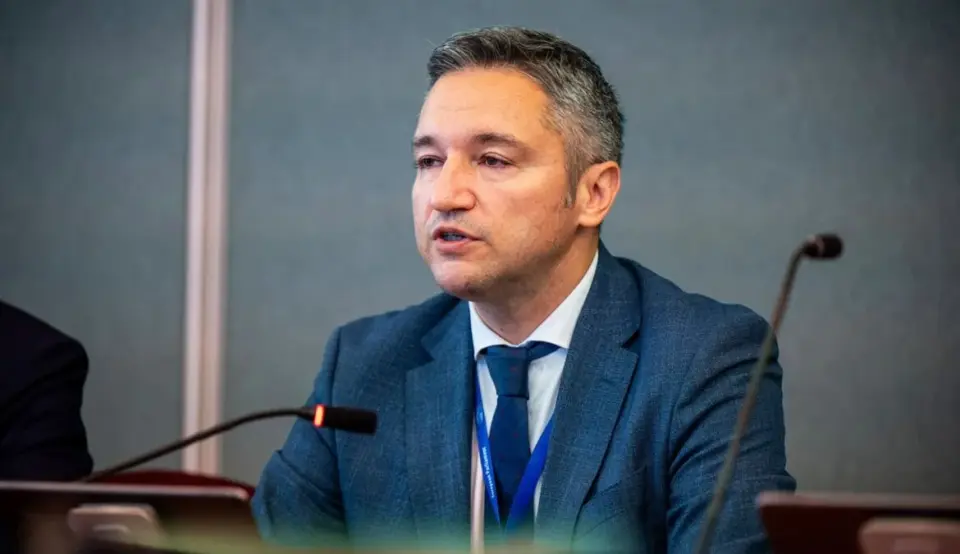
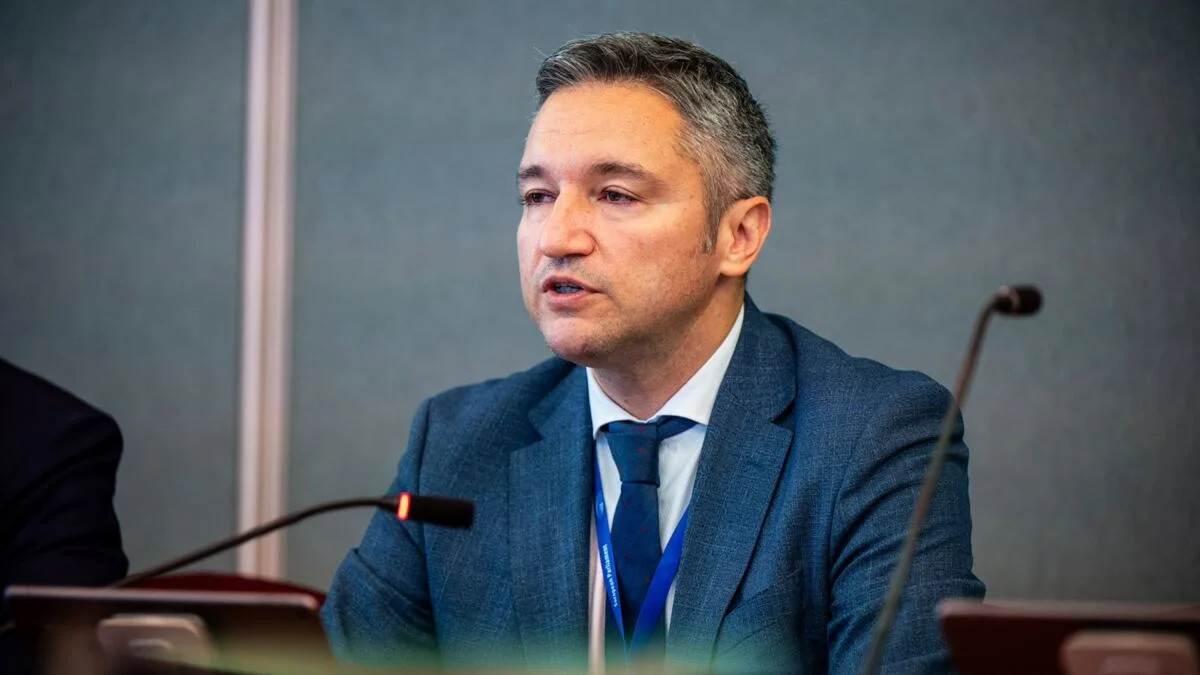
Vigenin at a forum in London: Nuclear energy will decide the battle for artificial intelligence
30/03/2026
March 2026 – Newsletter
04/04/2026Vigenin at a forum in London: Nuclear energy will decide the battle for artificial intelligence
30/03/2026March 2026 – Newsletter
04/04/2026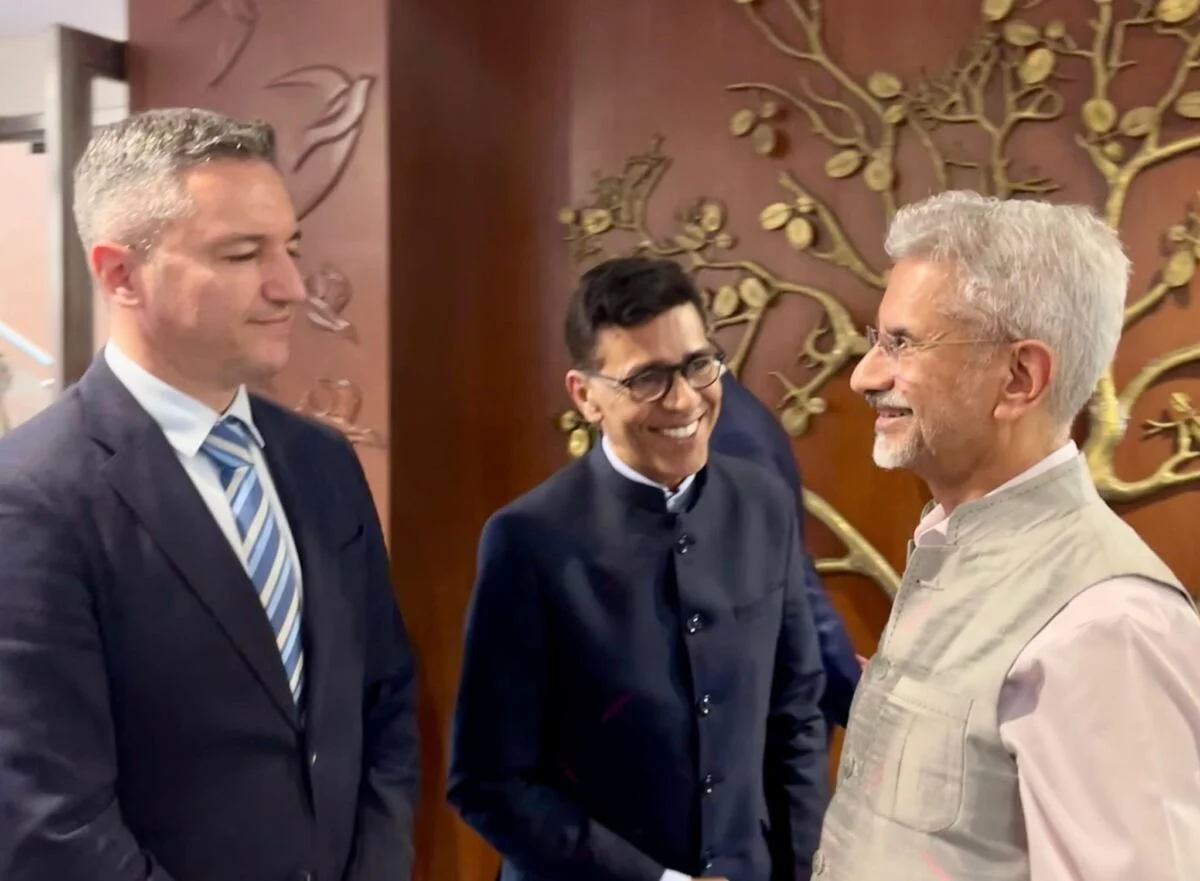
Vigenin in Delhi: The EU and India have to join forces in defence of peace and international law
An official delegation of the European Parliament visited Delhi to strengthen the interparliamentary dialogue
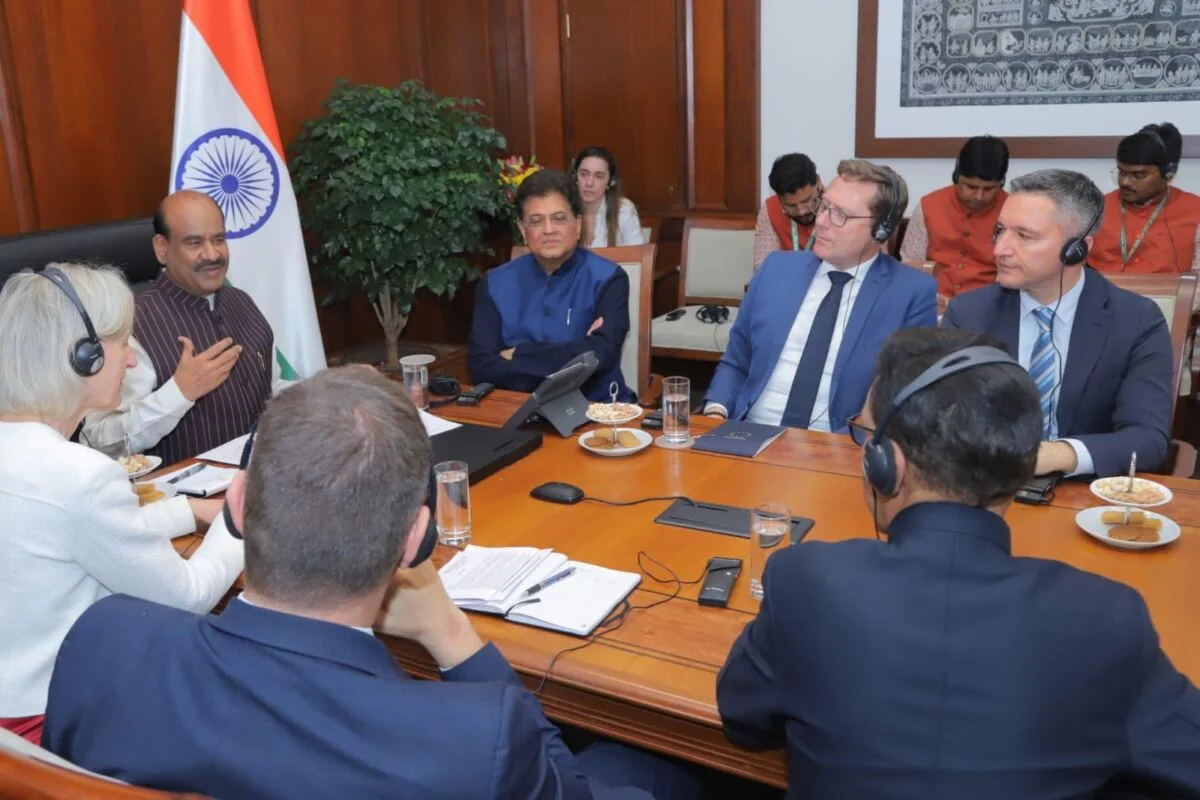
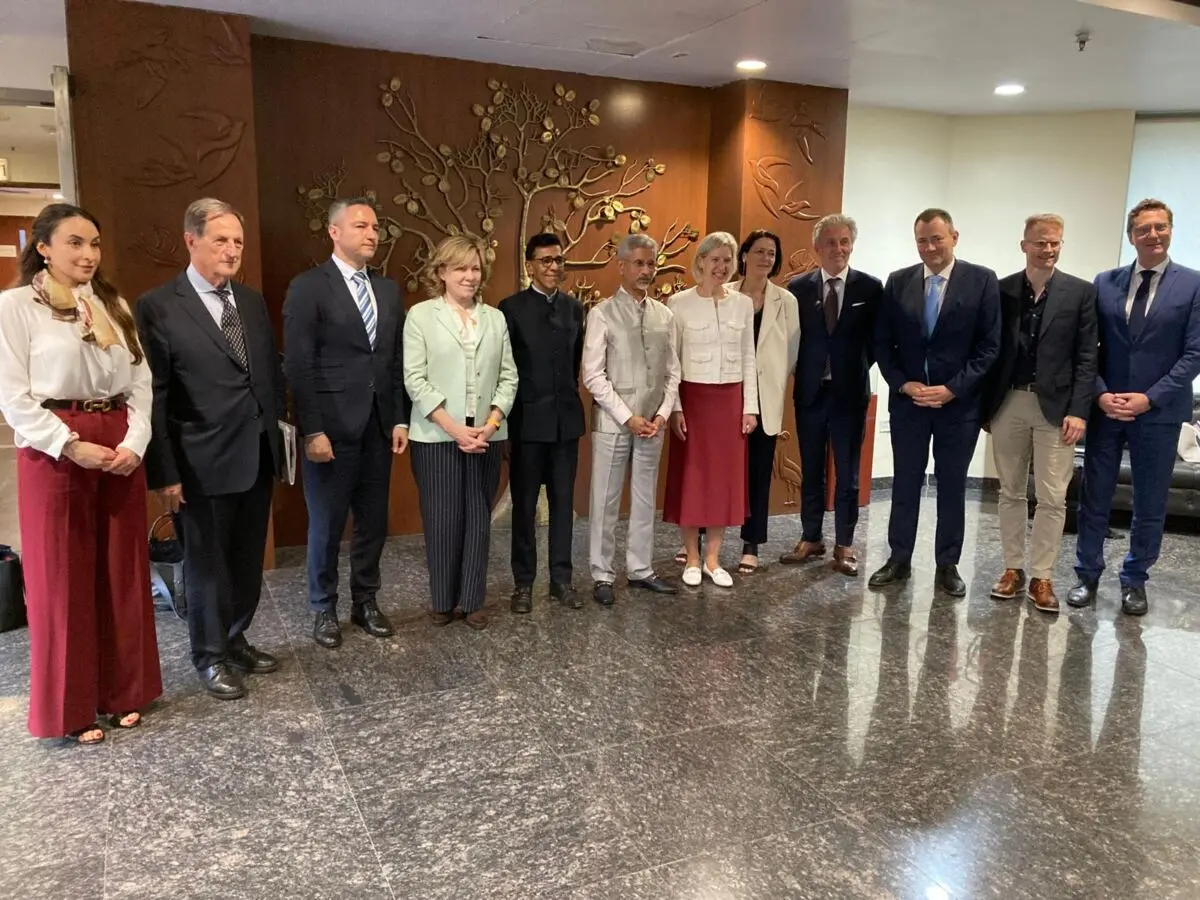
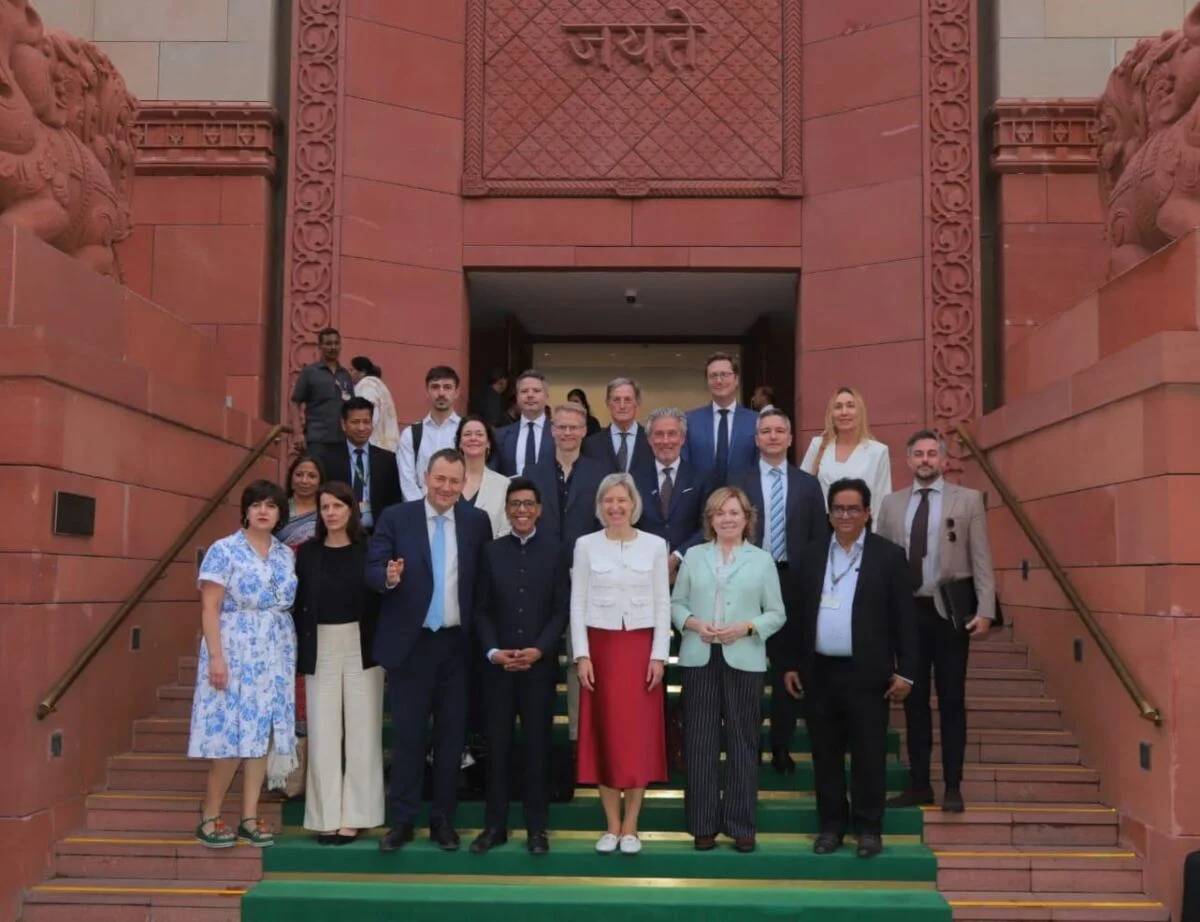
“The EU and India have to join forces in defence of peace and international law.” This call was made by Bulgarian MEP Kristian Vigenin from the Group of the Progressive Alliance of Socialists and Democrats, who was part of the official delegation of the European Parliament, led by Angelika Niebler, chair of the Delegation for Relations with India, which visited the Asian country. The interparliamentary meeting between representatives of the European Parliament and the Lok Sabha of India took place in Delhi as part of the strengthened dialogue between the European Union and India.
The parliamentarians of the two largest democracies discussed the current topics on the bilateral and international agenda: the successfully concluded negotiations on the Free Trade Agreement between the EU and India, the partnership in security and defence, cooperation in new technologies, innovation and research, as well as the green transition and people-to-people links in the context of the Comprehensive Framework for Cooperation on Mobility.
Meetings with the Indian government
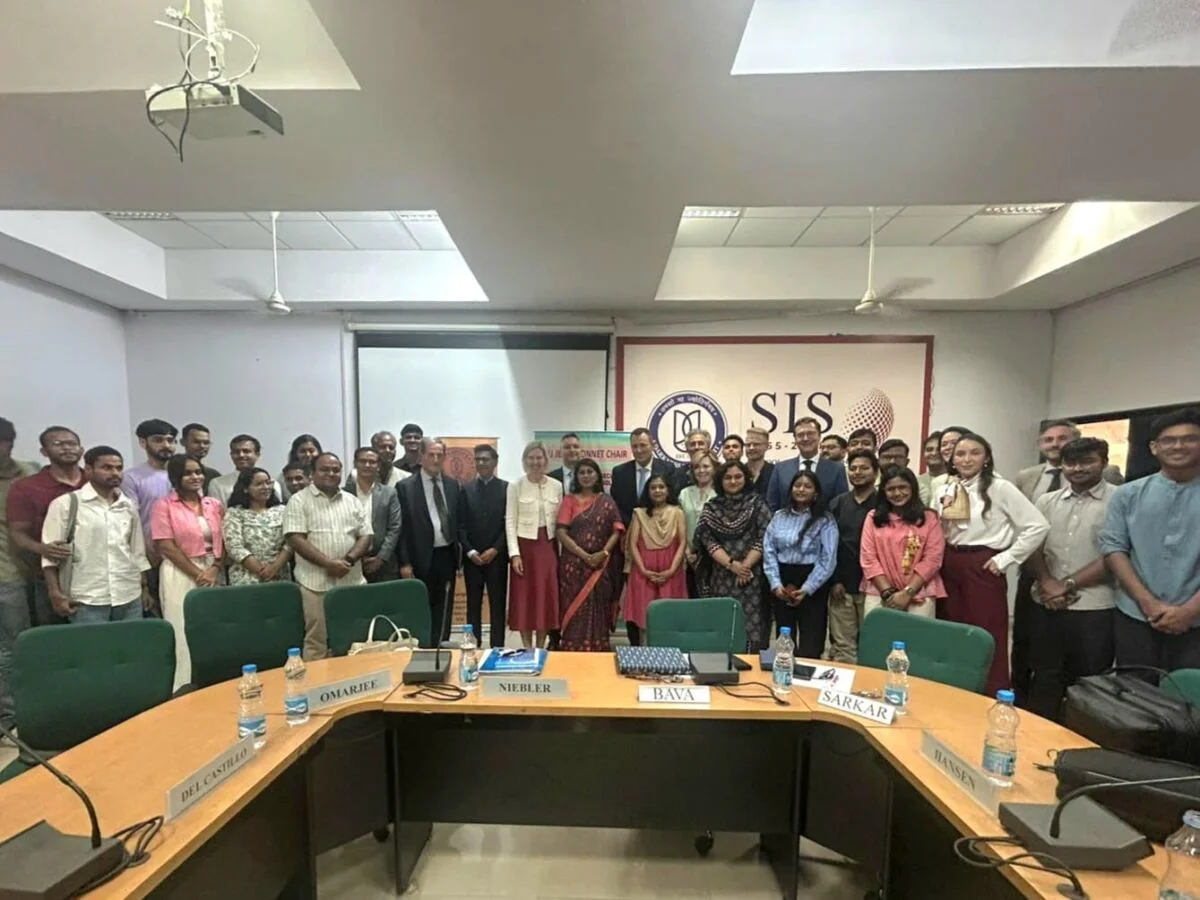
The visit included meetings with Minister of External Affairs Subrahmanyam Jaishankar, Minister of Commerce and Industry Piyush Goyal, Om Birla, Speaker of the Indian parliament (Lok Sabha), as well as with representatives of non-governmental and human rights organisations, scientific and research centres, the Federation of European Business in India and the Confederation of Indian Industry. The MEPs also met students and lecturers at Jawaharlal Nehru University in Delhi, with whom they discussed student programmes and the opportunities for strengthening cooperation in higher education and scientific research.
Kristian Vigenin stressed that the European Union and India have close views on global relations, the defence of peace and the international legal order, as well as on strengthening the role of international organisations. In his view, this calls for more effort to agree positions in advance, as well as coordinated action on the most important issues, such as the war against Iran and the economic consequences for the world.
“India is a centre for the development of new technologies, the building of data centres and a growing role of artificial intelligence in industry. This also calls for a more comprehensive regulatory framework, of the kind the European Union has already created. Setting rules for the development and application of artificial intelligence at global level is one of the promising areas of cooperation between the EU and India,” Vigenin noted.
The World Bank and the ILO
The European Parliament delegation also met representatives of the World Bank and the International Labour Organization in Delhi. Kristian Vigenin raised the question of measures to overcome child labour, which still affects nearly 30 million children in India.
The head of the delegation, Angelika Niebler, said at the end of the visit that for the EU India is a trusted and reliable partner, and that the dynamics of relations over the past year prove this in practice.
Meeting the Bulgarian ambassador to India
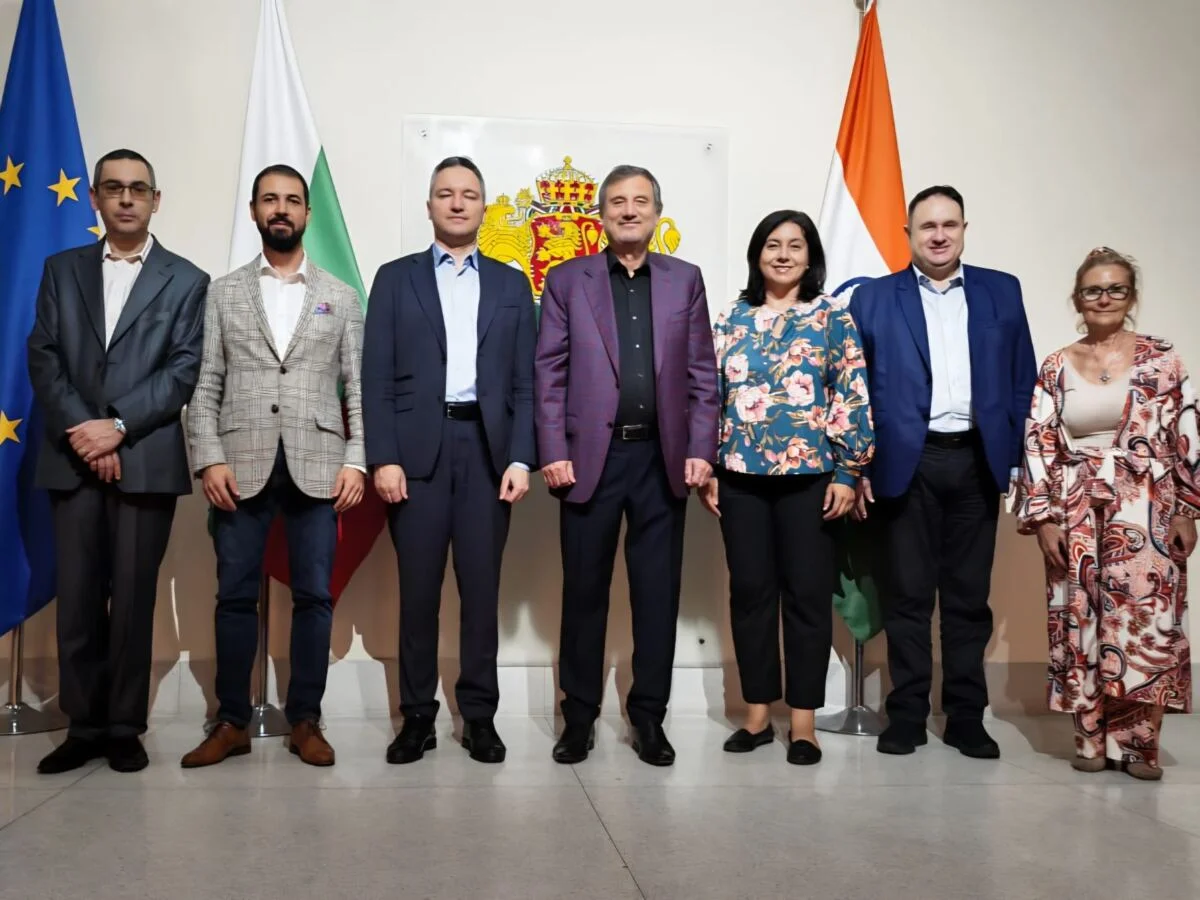
During the visit Kristian Vigenin held a meeting with the Ambassador Extraordinary and Plenipotentiary of Bulgaria to India, Nikolay Yankov, and the embassy team. The conversation covered the real opportunities for Bulgarian business to take advantage of the agreed Free Trade Agreement, the largest in the history of the EU and India, which covers 2 billion people and nearly a quarter of world GDP. It will remove or reduce tariffs on nearly 97% of European exports to India, including on goods and services in which Bulgarian companies are competitive. Ambassador Yankov reported that the options for Bulgarian investment in India are already being explored. For his part, Vigenin stressed that the huge Indian market requires a sectoral approach and joint projects by Bulgarian business, because small and medium-sized enterprises, which most Bulgarian companies are, will find it hard to position themselves on their own on the economic map of India.
With Anurag Singh Thakur, chair of the EU-India friendship group in the Lok Sabha, it was agreed that the return visit from the Indian side will take place this autumn in Brussels.
More News
18/10/2026